Exceptional Durability and Longevity Performance
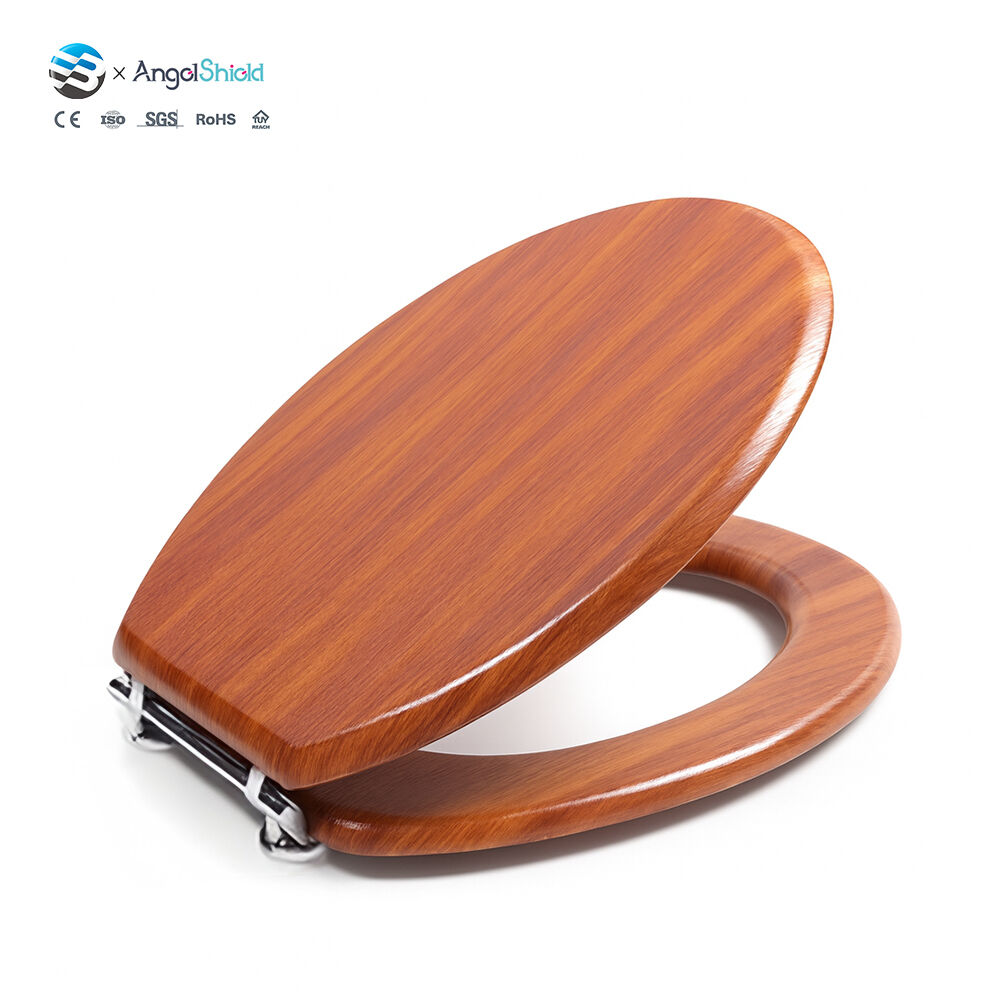
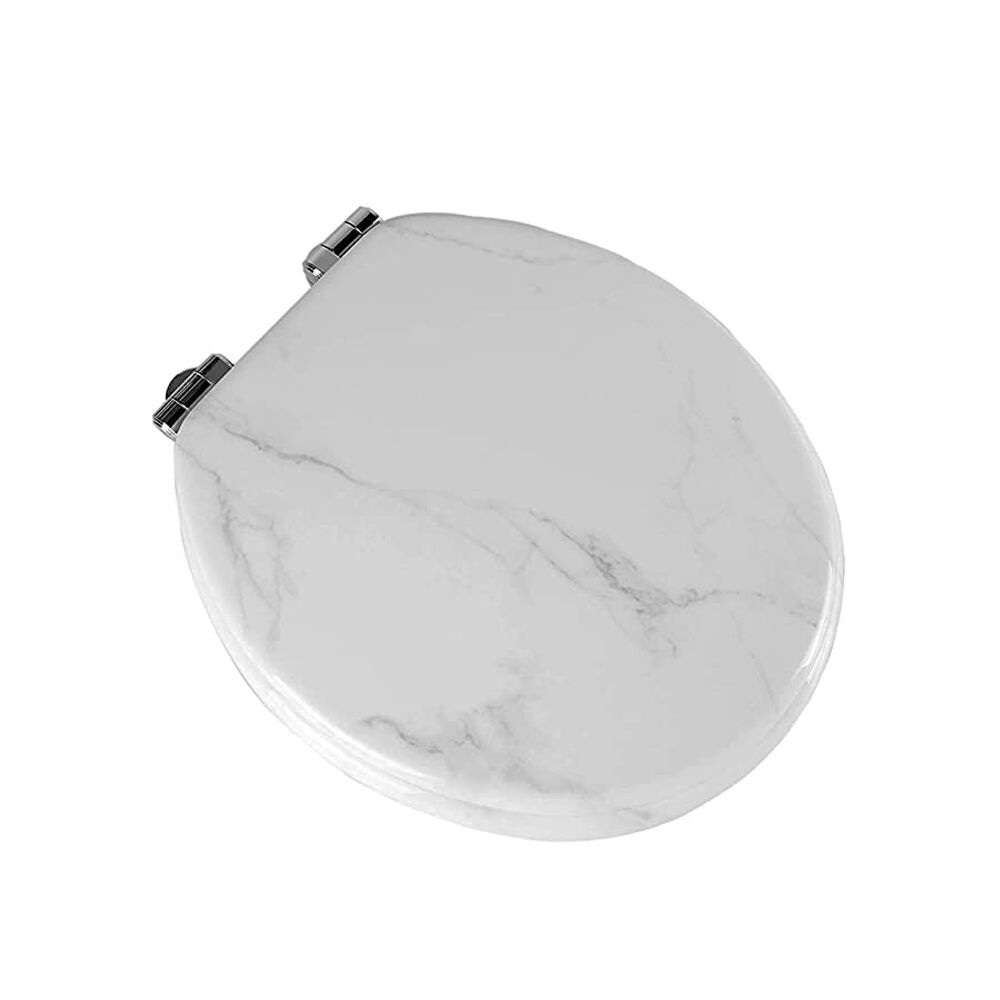
The round wood toilet seat demonstrates remarkable durability characteristics that significantly outperform standard plastic alternatives, providing households with a long-term investment that maintains both functionality and appearance over extended periods. High-quality hardwood construction resists the common failure modes that plague synthetic seats, including stress cracking around hinge mounting points, surface degradation from cleaning chemicals, and structural weakening from repeated use cycles. The dense grain structure of properly selected wood species creates a resilient foundation that distributes weight evenly, preventing localized stress concentrations that might cause premature failure. Manufacturing processes for premium round wood toilet seat models include moisture content optimization and grain orientation selection to maximize structural stability throughout varying environmental conditions. The natural flexibility of wood allows controlled movement during use without creating permanent deformation or weakening of load-bearing components. Surface treatments applied to quality round wood toilet seat products penetrate deep into the wood fibers, creating multi-layer protection against moisture infiltration, chemical exposure, and physical wear. These protective coatings maintain their effectiveness for years when properly maintained, far exceeding the protection offered by thin surface films on plastic alternatives. Replacement part availability extends the functional lifespan even further, as homeowners can refresh hinges, bolts, and other hardware components without replacing the entire wooden seat assembly. The round wood toilet seat ages gracefully, developing character and patina that many users find appealing, contrasting sharply with plastic seats that simply look worn and dated over time. Repair options exist for wooden seats that suffer minor damage, allowing refinishing or localized repairs that restore functionality and appearance. Quality control standards for wooden seat manufacturing typically exceed those applied to mass-produced plastic alternatives, resulting in more consistent performance characteristics and fewer defective units reaching consumers.