Soft Close Toilet Seat Hinge Manufacturer: A Technical Guide for OEM Buyers
When sourcing soft close toilet seats, many buyers focus on appearance, materials, or price—but experienced OEM buyers know that the hinge determines the real quality and lifespan of the product.
This guide explains what OEM buyers should understand about Top 20 Soft Close Toilet Seat Manufacturers , including hinge types, common quality issues, and how professional manufacturers ensure long-term performance in mass production.
Why the Hinge Is the Core of a Soft Close Toilet Seat
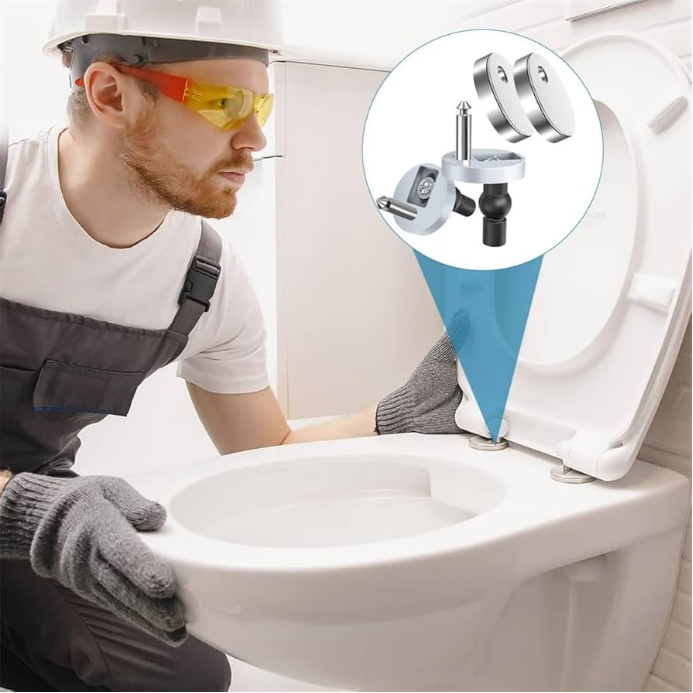
A soft close toilet seat is only as good as its hinge.
While materials and design affect appearance, the hinge controls:
- Closing speed and smoothness
- Noise reduction
- Long-term durability
- Customer satisfaction and complaint rates
In practical terms, hinge performance accounts for the majority of product failures reported in retail and project markets. This is why leading soft close toilet seat manufacturers invest heavily in hinge engineering rather than relying solely on external components.
What Does a Soft Close Toilet Seat Hinge Manufacturer Do?
A soft close toilet seat hinge manufacturer may be:
- A specialized hinge producer supplying components
- A toilet seat manufacturer with in-house hinge assembly
- A factory that customizes hinges for different seat designs
For OEM buyers, the key is not whether hinges are outsourced or in-house, but how hinge quality is controlled, tested, and matched with the seat material.
Manufacturers with strong OEM backgrounds often integrate hinge assembly and testing into their own production process to ensure consistency.
Common Types of Soft Close Toilet Seat Hinges
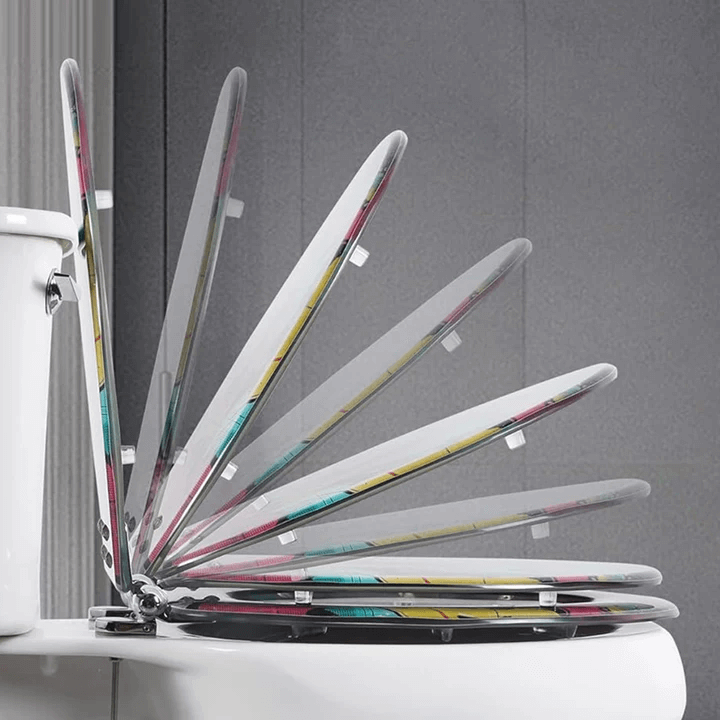
1. Hydraulic Damping Hinges
Hydraulic hinges use internal fluid resistance to slow down the closing motion.
Key characteristics:
- Smooth and quiet closing
- Stable performance when properly engineered
- Widely used in mid- to high-end toilet seats
Quality depends heavily on sealing precision and internal component tolerance.
2. Adjustable Soft Close Hinges
Adjustable hinges allow manufacturers to fine-tune closing speed.
Advantages:
- Adaptable for different seat weights
- Suitable for UF, MDF, and wooden seats
- Reduced risk of slamming due to material variation
These hinges are commonly used in OEM projects targeting multiple markets.
3. Hinge Material Options
Soft close hinges are typically produced using:
- Stainless steel: Corrosion resistance, premium markets
- Zinc alloy: Balanced cost and strength
- Reinforced plastic components: Weight reduction in PP seats
A professional hinge manufacturer selects materials based on seat weight, usage frequency, and environmental conditions.
Common Hinge Quality Issues in Mass Production
Even visually identical hinges can perform very differently in real use.
Typical quality problems include:
- Inconsistent closing speed across batches
- Oil leakage after extended use
- Increased noise after repeated cycles
- Misalignment between hinge and seat body
These issues usually result from insufficient testing, poor assembly control, or material mismatch—not from design alone.
How Professional Manufacturers Ensure Hinge Stability
Reliable soft close toilet seat hinge manufacturers implement multiple control measures.
1. Cycle Testing
Hinges are tested through thousands of open-close cycles to simulate real usage.
This helps identify early failure risks and performance degradation.
2. Assembly Control
Proper torque settings, alignment, and damping calibration are critical.
Manufacturers with standardized assembly procedures achieve more consistent results than those relying on manual adjustment alone.
3. Material Matching
Seat material and hinge design must work together.
For example:
- Heavy MDF or wooden seats require reinforced hinges
- Lightweight PP seats need balanced damping to avoid slow rebound
Experienced manufacturers adjust hinge specifications according to material type.
The Relationship Between Hinge Design and OEM Customization
Hinge design directly affects OEM flexibility.
A capable hinge manufacturer can support:
- Different mounting systems (top-fixing / bottom-fixing)
- Adjustable hinge spacing for various toilet models
- Custom hinge covers to match seat design
- Integration with quick-release mechanisms
These options allow OEM buyers to differentiate products without redesigning the entire seat.
What OEM Buyers Should Ask About Hinge Manufacturing
Before selecting a supplier, OEM buyers should ask:
- How are hinges tested for durability?
- Are hinges assembled in-house or externally sourced?
- How is closing speed consistency controlled?
- Can hinge specifications be adjusted for different materials?
- What is the failure rate in bulk production?
Clear answers to these questions indicate a manufacturer’s technical maturity.
How Hinge Capability Reflects Overall Manufacturing Strength
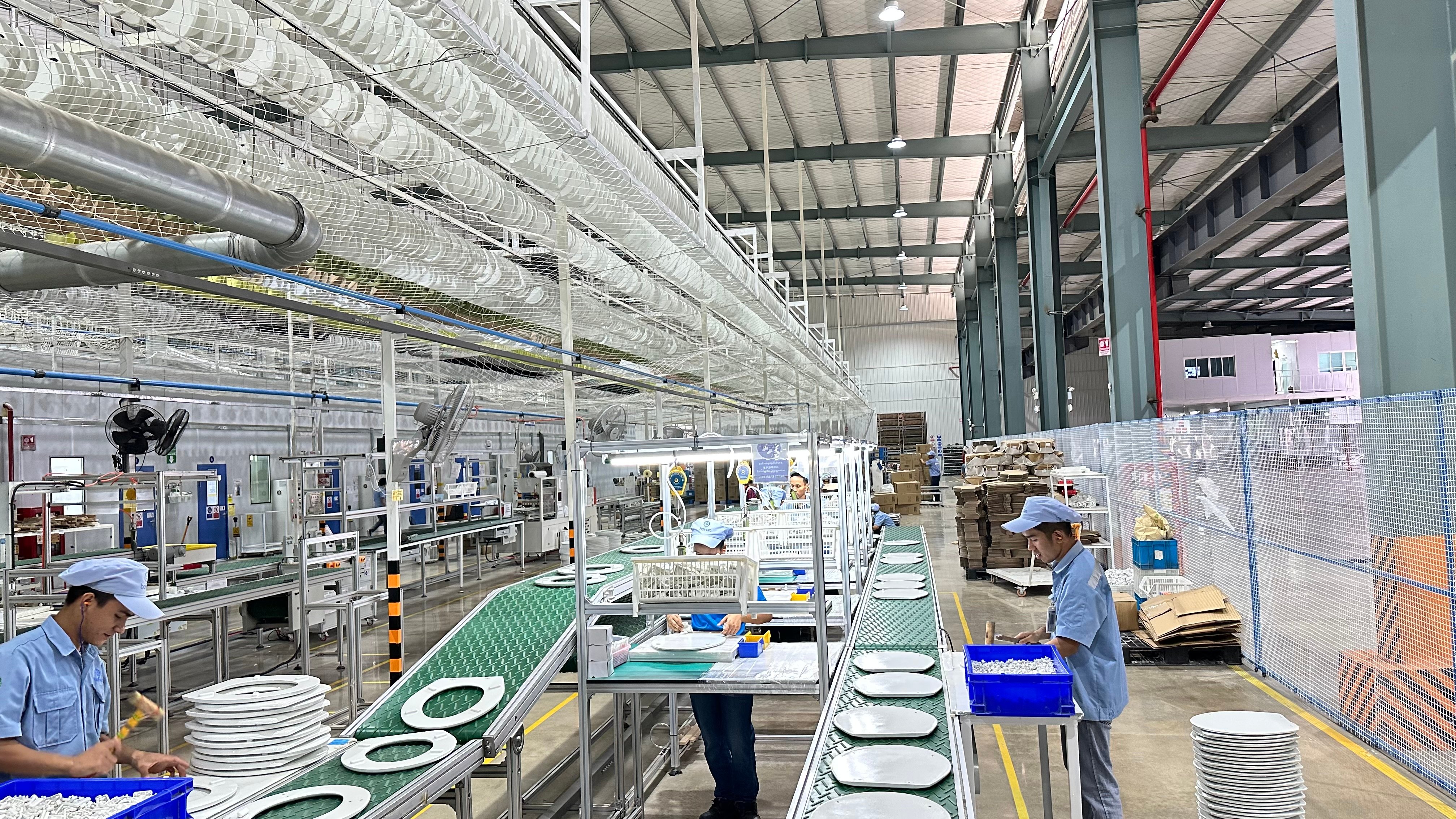
In the toilet seat industry, hinge capability is often a reflection of the manufacturer’s overall quality mindset.
Factories that invest in hinge testing, assembly control, and material matching tend to offer:
- More stable OEM production
- Fewer after-sales issues
- Better long-term cooperation
Many of the companies featured in our Top 20 Soft Close Toilet Seat Manufacturers list are recognized not for appearance alone, but for their ability to consistently deliver reliable hinge performance at scale.
Final Thoughts
Understanding hinge manufacturing is essential when selecting a soft close toilet seat hinge manufacturer or evaluating a complete OEM toilet seat supplier.
By focusing on hinge durability, testing methods, material compatibility, and customization capability, OEM buyers can significantly reduce sourcing risks and improve long-term product performance.
For buyers comparing multiple suppliers, reviewing manufacturers with proven hinge engineering experience is one of the most effective ways to make an informed decision.