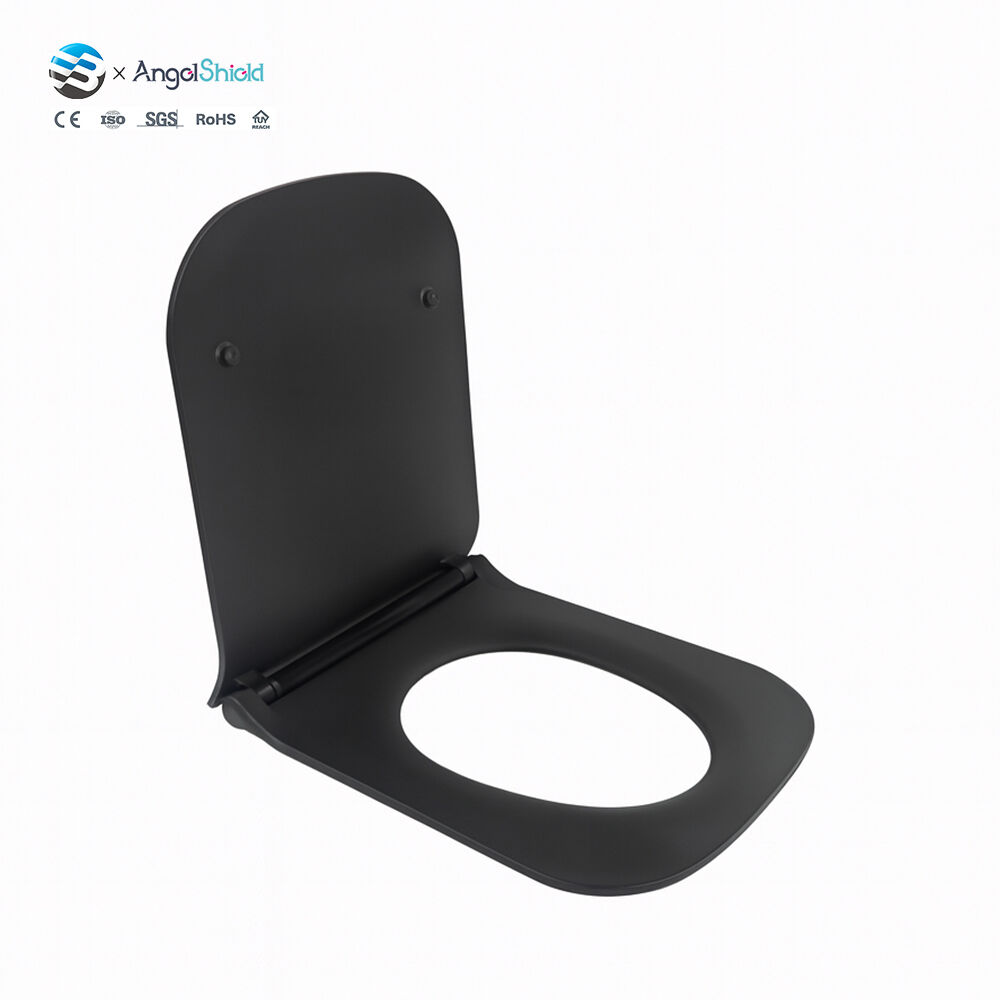
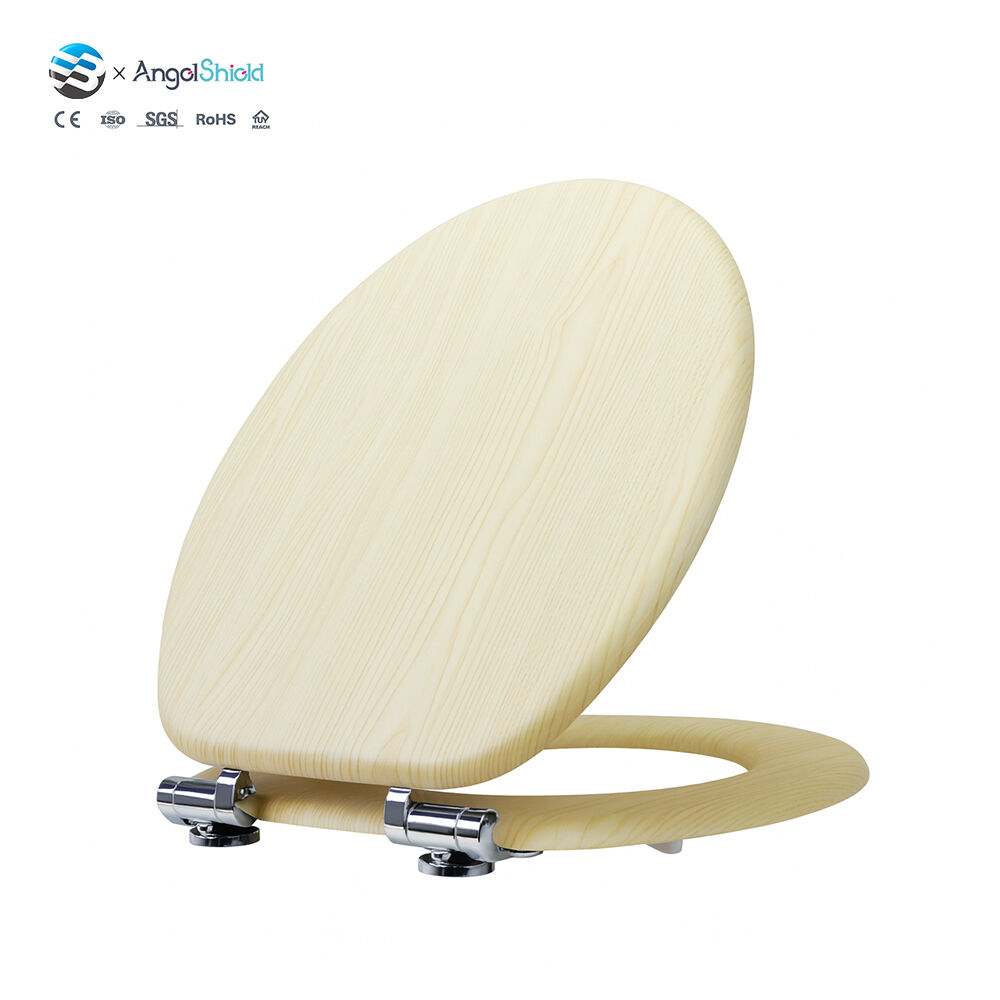
plastic vs wood toilet seat
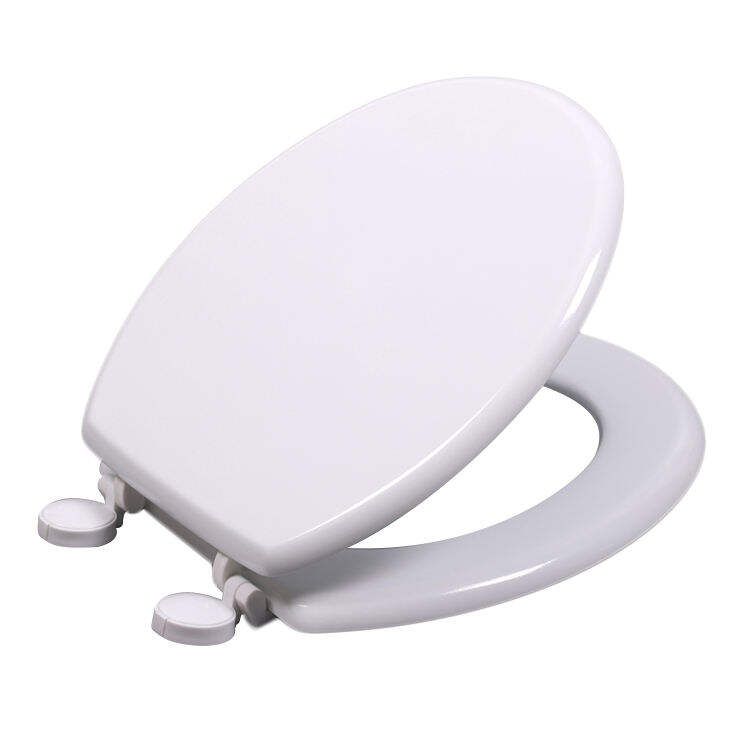
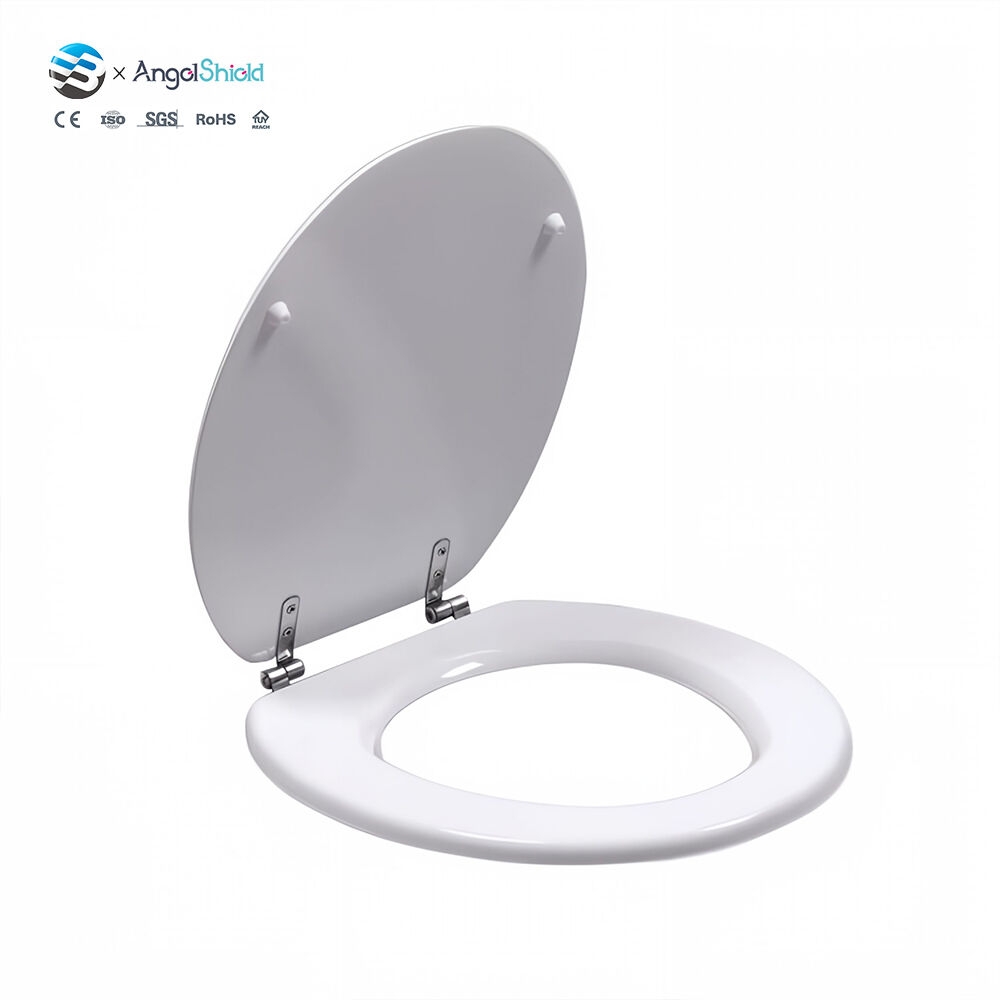
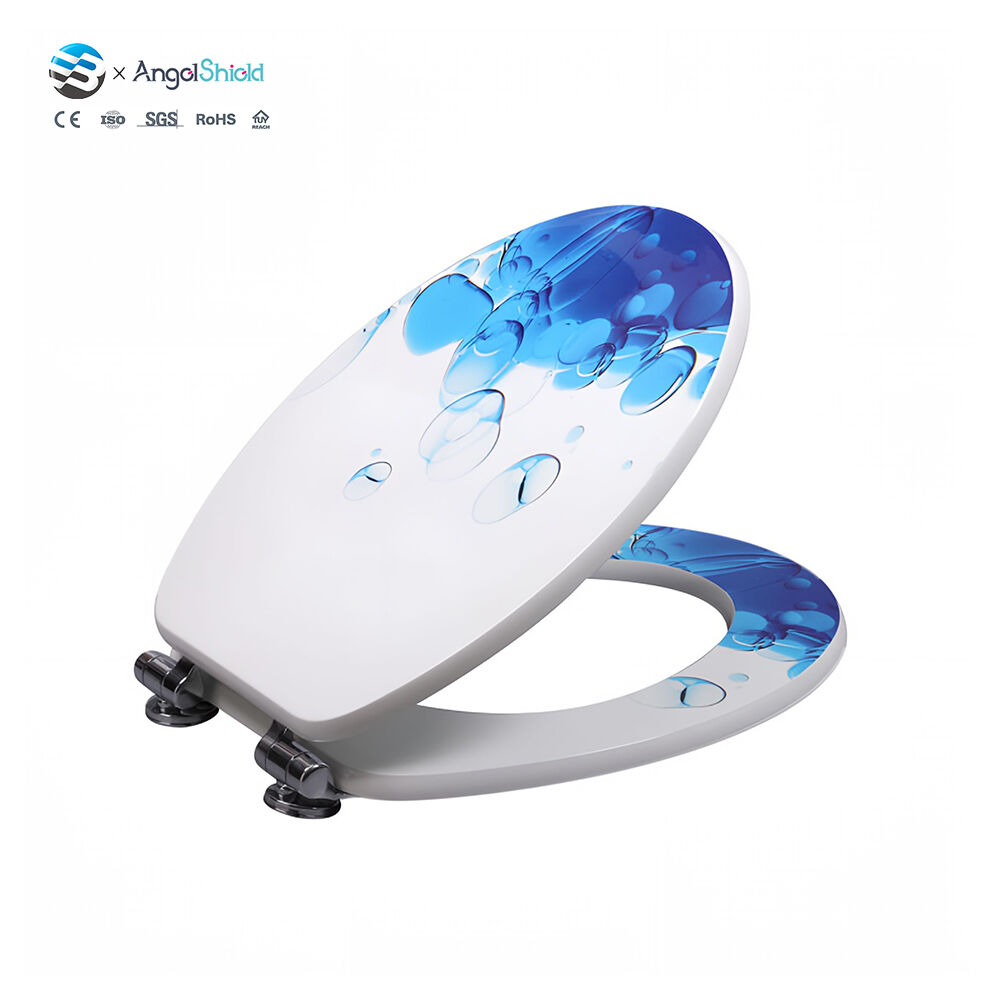
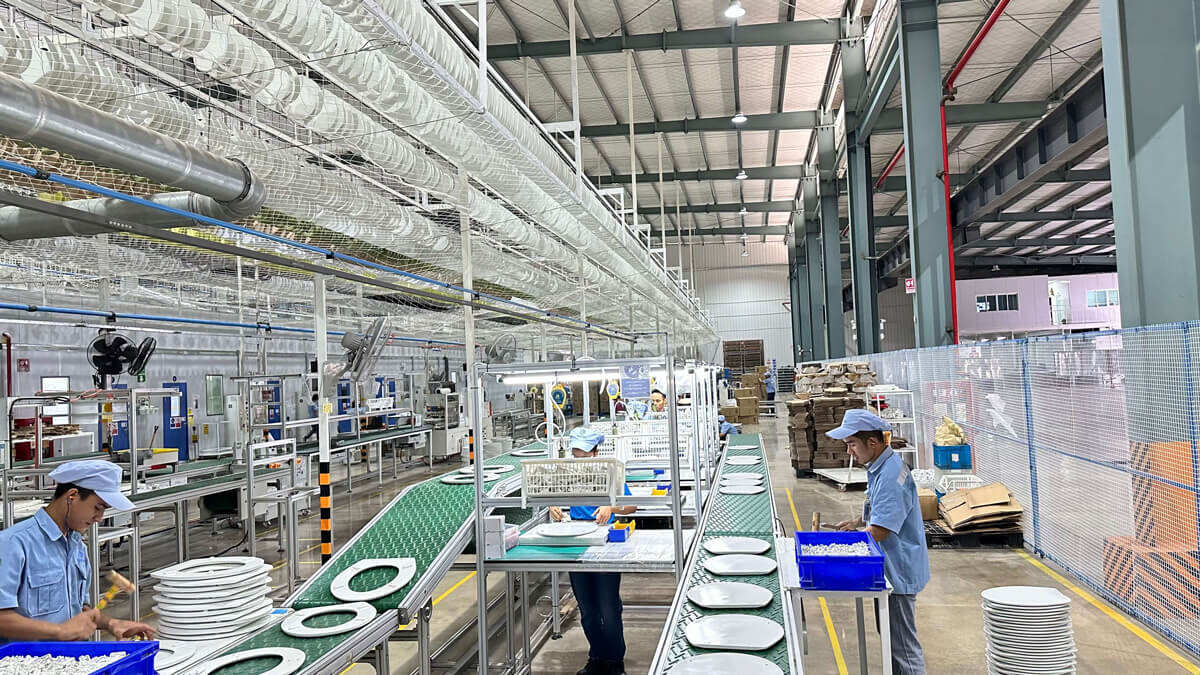
When choosing between plastic vs wood toilet seat options, homeowners face a fundamental decision that impacts bathroom functionality, aesthetics, and long-term satisfaction. The plastic vs wood toilet seat debate centers on understanding how these two materials perform in residential and commercial environments. Plastic toilet seats utilize advanced polymer technology, featuring injection-molded construction that creates seamless surfaces resistant to moisture penetration. These seats incorporate antimicrobial additives that inhibit bacterial growth, making them particularly suitable for high-traffic bathrooms. The manufacturing process involves thermoplastic materials like polypropylene or polystyrene, which undergo precision molding to achieve consistent dimensions and smooth finishes. Wood toilet seats, conversely, employ traditional craftsmanship combined with modern protective coatings. Premium hardwoods such as oak, maple, or bamboo receive multiple layers of polyurethane or lacquer finishes that seal the wood grain against moisture infiltration. The plastic vs wood toilet seat comparison reveals distinct technological approaches to achieving durability and hygiene. Plastic seats feature integrated hinge systems with stainless steel hardware, while wood seats often incorporate brass or chrome-plated metal components. Both options serve identical primary functions: providing comfortable seating surfaces, supporting user weight safely, and maintaining hygienic bathroom conditions. Application-wise, plastic toilet seats dominate commercial installations due to their resistance to frequent cleaning with harsh disinfectants. Healthcare facilities, schools, and office buildings typically specify plastic options for their proven performance under intensive use. Wood toilet seats find favor in residential settings where aesthetic appeal and natural material preferences drive selection decisions. The plastic vs wood toilet seat choice ultimately depends on specific environmental conditions, usage patterns, maintenance preferences, and design objectives. Modern manufacturing techniques have elevated both materials to meet contemporary performance standards while addressing traditional weaknesses through innovative engineering solutions.