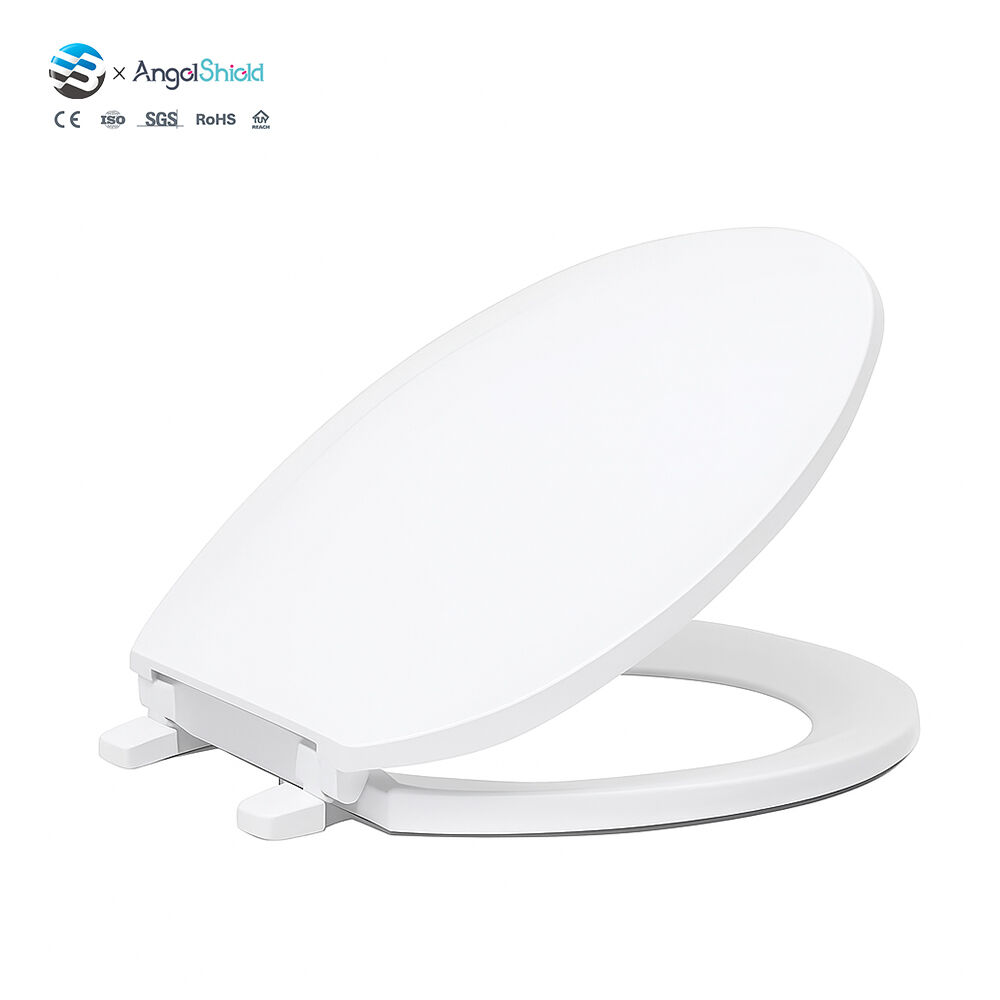
When sourcing padded toilet seats for commercial or residential applications, understanding material standards and water-resistant cover requirements becomes critical for procurement professionals and facility managers. The global market for padded toilet seats has evolved significantly, with manufacturers implementing advanced materials and production techniques to meet diverse consumer demands. Quality padded toilet seats must demonstrate exceptional durability, comfort, and moisture resistance while maintaining cost-effectiveness for bulk purchasing scenarios.
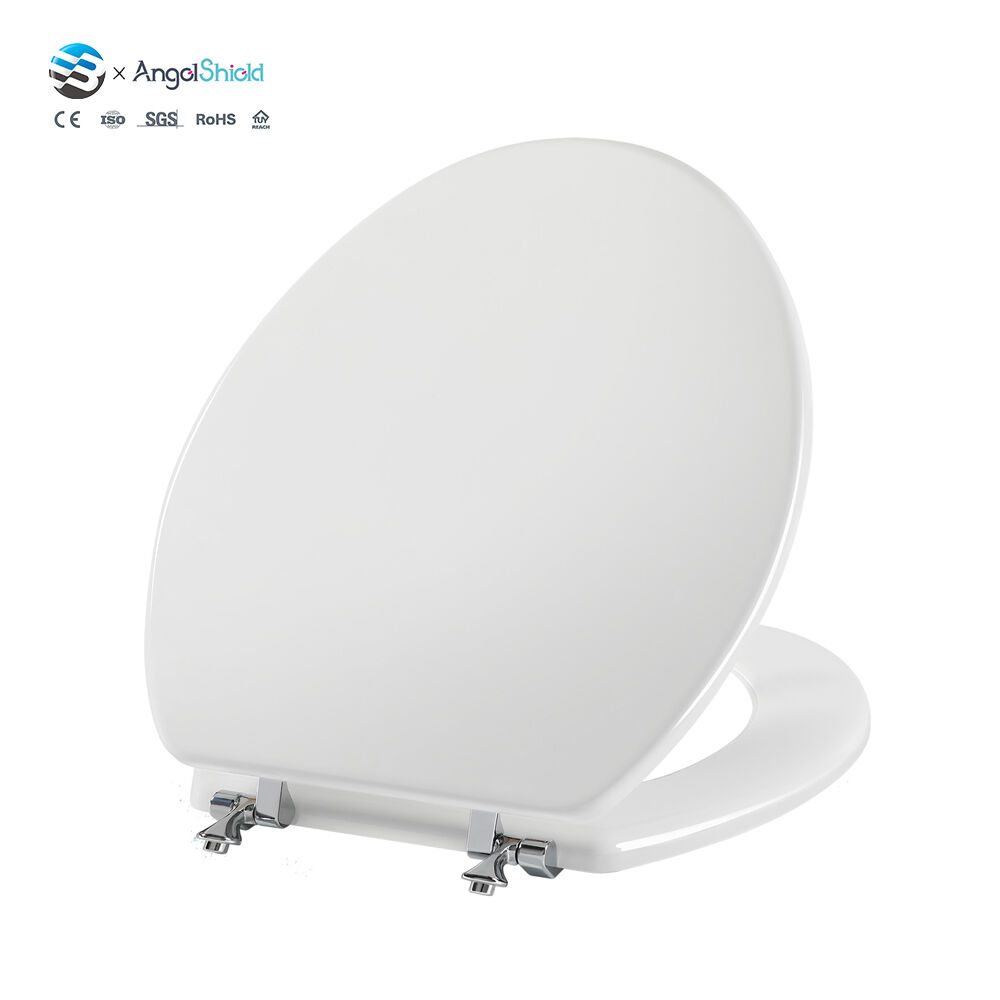
Modern procurement strategies require comprehensive evaluation of padded toilet seats across multiple performance criteria. Industry professionals must consider factors including material composition, manufacturing processes, installation requirements, and long-term maintenance costs. The selection process involves analyzing various cover materials, cushioning technologies, and hardware specifications to ensure optimal performance in target environments.
Material Composition Standards for Commercial Grade Padded Toilet Seats
Vinyl Cover Technologies and Performance Metrics
Premium padded toilet seats utilize high-grade vinyl covers engineered for superior water resistance and durability. These covers incorporate specialized polymer formulations that resist cracking, peeling, and discoloration under continuous moisture exposure. Commercial-grade vinyl materials typically feature antimicrobial treatments that inhibit bacterial growth and maintain hygienic conditions in high-traffic facilities.
The manufacturing process for quality vinyl covers involves multi-layer construction techniques that enhance puncture resistance and extend service life. Advanced vinyl formulations include UV stabilizers that prevent degradation from natural and artificial lighting. Professional buyers should verify that padded toilet seats meet industry standards for chemical resistance, particularly against common cleaning agents and disinfectants used in commercial settings.
Foam Core Specifications and Density Requirements
The internal cushioning material in padded toilet seats determines comfort levels and structural integrity over extended use periods. High-density polyurethane foam cores provide optimal support while maintaining shape retention under repetitive loading cycles. Quality foam materials resist compression set and maintain consistent thickness throughout the product lifecycle.
Closed-cell foam configurations offer superior moisture resistance compared to open-cell alternatives, preventing water infiltration that could compromise structural integrity. Professional specifications should include foam density measurements, typically ranging from 1.5 to 3.0 pounds per cubic foot for commercial applications. These density parameters ensure adequate support while providing comfortable seating surfaces for diverse user populations.
Water-Resistant Cover Performance Standards
Moisture Barrier Technologies and Testing Protocols
Effective water-resistant covers for padded toilet seats incorporate advanced barrier technologies that prevent moisture penetration while maintaining breathability for user comfort. Professional-grade covers utilize welded seam construction rather than sewn seams to eliminate potential water entry points. This manufacturing approach ensures consistent moisture protection across the entire cover surface.
Industry testing protocols evaluate water resistance through standardized exposure tests that simulate real-world conditions. Quality covers demonstrate zero water penetration after 24-hour submersion tests and maintain integrity under pressure washing scenarios. These performance standards ensure that padded toilet seats perform reliably in demanding commercial environments where frequent cleaning and sanitization occur.
Chemical Resistance and Cleaning Compatibility
Commercial padded toilet seats must withstand exposure to various cleaning chemicals without degrading cover materials or compromising water-resistant properties. Compatible materials resist bleach solutions, quaternary ammonium compounds, and alcohol-based disinfectants commonly used in facility maintenance programs. This chemical resistance extends product lifespan and maintains appearance standards throughout the service period.
Professional evaluation should include compatibility testing with specific cleaning protocols used in target facilities. Quality manufacturers provide detailed chemical resistance charts that specify approved cleaning agents and concentration limits. This information enables facility managers to develop maintenance procedures that preserve padded toilet seats while meeting hygiene requirements.
Manufacturing Quality Control and Certification Standards
Production Process Validation and Quality Assurance
Reputable manufacturers implement comprehensive quality control systems that monitor padded toilet seats throughout production cycles. These systems include incoming material inspections, in-process monitoring, and finished product testing to ensure consistent quality and performance. Advanced production facilities utilize automated testing equipment that verifies dimensional accuracy, material properties, and assembly integrity.
Quality certification programs provide third-party validation of manufacturing processes and product performance. International standards organizations offer certification programs that verify compliance with safety, durability, and environmental requirements. Professional buyers should prioritize suppliers with documented quality management systems and relevant industry certifications.
Traceability Systems and Product Documentation
Professional-grade padded toilet seats include comprehensive documentation systems that enable traceability throughout the supply chain. This documentation includes material certifications, production records, and quality test results that demonstrate compliance with specified requirements. Traceability systems facilitate rapid response to quality issues and support warranty claim processing.
Complete product documentation packages should include installation instructions, maintenance guidelines, and warranty terms that clearly define coverage and limitations. This information enables proper product utilization and helps facility managers develop appropriate maintenance programs for padded toilet seats in their facilities.
Installation Requirements and Hardware Specifications
Mounting Systems and Compatibility Considerations
Professional installation of padded toilet seats requires compatible mounting systems that accommodate various toilet bowl configurations and user requirements. Standard mounting hardware includes adjustable hinges, mounting bolts, and spacing hardware that ensure proper fit and stable operation. Quality mounting systems utilize corrosion-resistant materials that maintain integrity in high-moisture environments.
Installation compatibility extends beyond basic mounting requirements to include clearance considerations for users with mobility challenges or assistive devices. Professional specifications should address Americans with Disabilities Act compliance requirements and include appropriate mounting heights and clearance dimensions. These considerations ensure that padded toilet seats provide universal accessibility while maintaining performance standards.
Maintenance Access and Service Requirements
Effective maintenance programs for padded toilet seats require accessible design features that facilitate routine cleaning and inspection procedures. Quality products include removable components that enable thorough cleaning without specialized tools or extensive disassembly. This accessibility reduces maintenance time and costs while ensuring consistent hygiene standards.
Service requirements should address replacement procedures for wear components and availability of repair parts throughout the product lifecycle. Professional buyers should verify that manufacturers maintain adequate parts inventory and provide technical support for maintenance personnel. This support infrastructure ensures continuous operation and maximizes return on investment for padded toilet seats installations.
Cost Analysis and Procurement Strategies
Total Cost of Ownership Evaluation
Comprehensive cost analysis for padded toilet seats extends beyond initial purchase prices to include installation costs, maintenance requirements, and replacement schedules. Quality products demonstrate superior value through extended service life and reduced maintenance needs compared to lower-grade alternatives. Professional evaluation should consider lifecycle costs over typical facility planning periods of five to ten years.
Energy and resource consumption associated with maintenance activities represent significant ongoing costs that vary based on product quality and design features. Water-resistant covers that maintain appearance with minimal cleaning effort reduce labor costs and extend replacement intervals. These operational savings often justify premium pricing for high-quality padded toilet seats in commercial applications.
Supplier Evaluation and Partnership Development
Successful procurement programs establish partnerships with suppliers that demonstrate consistent quality, reliable delivery, and responsive customer service. Supplier evaluation should include facility audits, quality system reviews, and reference checks with existing customers. These assessments provide insight into supplier capabilities and commitment to continuous improvement in padded toilet seats manufacturing.
Long-term supplier relationships enable collaborative development of customized solutions that address specific facility requirements or operational challenges. Professional buyers should seek suppliers willing to invest in product development and provide ongoing technical support throughout the product lifecycle. This partnership approach maximizes value and ensures optimal performance of padded toilet seats installations.
FAQ
What are the key material standards for commercial grade padded toilet seats
Commercial grade padded toilet seats must meet specific material standards including high-density polyurethane foam cores with density ratings between 1.5 to 3.0 pounds per cubic foot, antimicrobial vinyl covers with welded seam construction, and corrosion-resistant mounting hardware. These materials ensure durability, moisture resistance, and long service life in demanding commercial environments while maintaining user comfort and hygiene standards.
How do water-resistant covers enhance the performance of padded toilet seats
Water-resistant covers protect the internal foam cushioning from moisture infiltration that could compromise structural integrity and create hygiene concerns. Quality covers utilize advanced polymer formulations and welded seam construction to create complete moisture barriers while maintaining breathability for user comfort. These covers also resist chemical cleaning agents and maintain appearance standards throughout extended service periods.
What installation considerations are important for padded toilet seats in commercial facilities
Installation considerations include compatibility with existing toilet bowl configurations, compliance with accessibility requirements, and maintenance access for routine cleaning procedures. Professional installations require adjustable mounting systems that accommodate various bowl shapes and sizes while providing stable operation. Facilities must also consider clearance requirements for users with mobility devices and ensure compliance with relevant accessibility standards.
How should facility managers evaluate the total cost of ownership for padded toilet seats
Total cost evaluation should include initial purchase price, installation costs, ongoing maintenance requirements, and replacement schedules over the expected service life. Quality padded toilet seats demonstrate value through extended durability, reduced maintenance needs, and consistent performance. Facility managers should consider labor costs for cleaning and maintenance activities, replacement part availability, and warranty coverage when making procurement decisions.
Table of Contents
- Material Composition Standards for Commercial Grade Padded Toilet Seats
- Water-Resistant Cover Performance Standards
- Manufacturing Quality Control and Certification Standards
- Installation Requirements and Hardware Specifications
- Cost Analysis and Procurement Strategies
-
FAQ
- What are the key material standards for commercial grade padded toilet seats
- How do water-resistant covers enhance the performance of padded toilet seats
- What installation considerations are important for padded toilet seats in commercial facilities
- How should facility managers evaluate the total cost of ownership for padded toilet seats