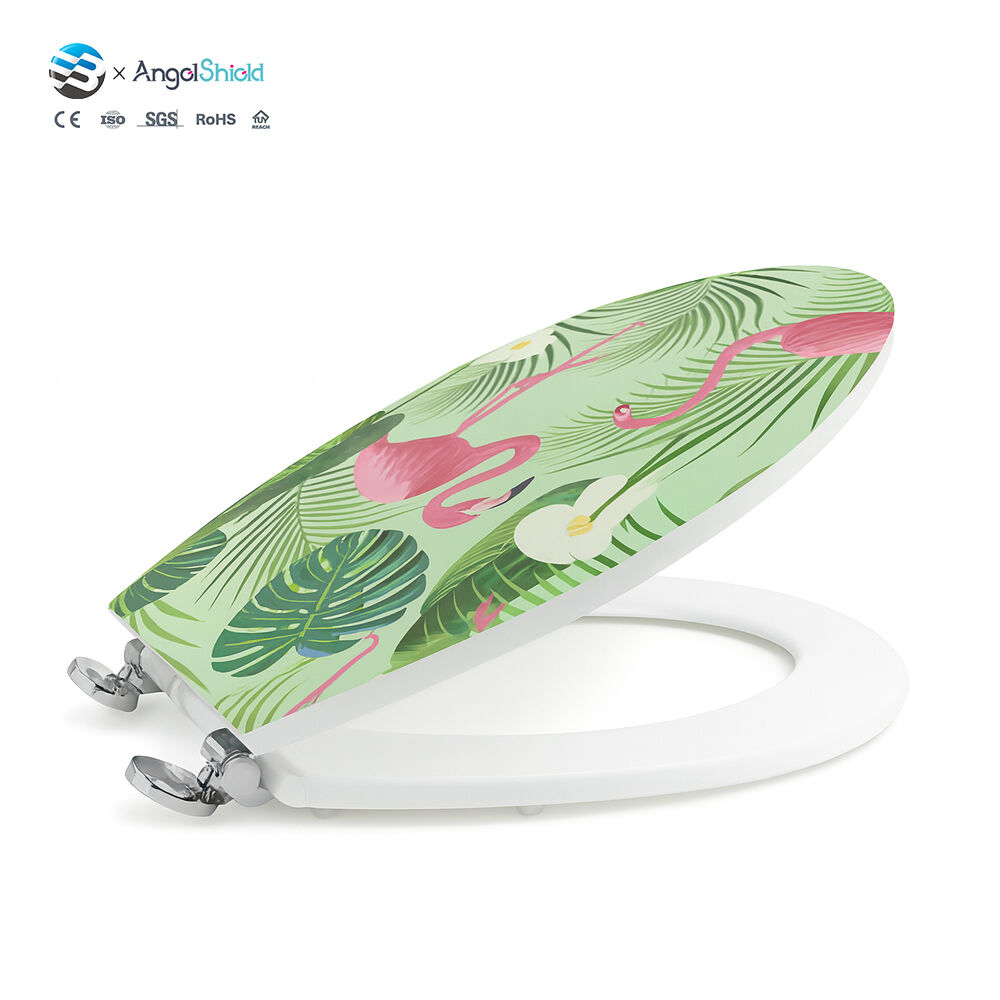
When selecting bathroom fixtures for commercial, residential, or industrial applications, the durability and functionality of heavy-duty plastic toilet lids often becomes a critical consideration. These specialized toilet seats must withstand frequent use, varying weight loads, and environmental factors that can compromise their structural integrity over time. The hinge mechanism, in particular, represents the most vulnerable component of any toilet lid assembly, making proper evaluation essential for ensuring long-term performance and user safety.
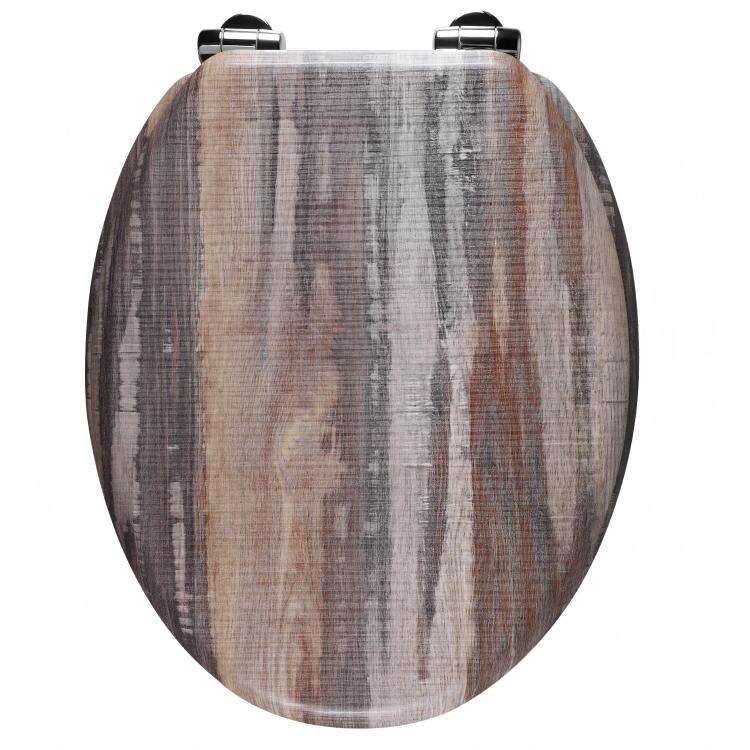
Professional facility managers, contractors, and homeowners alike recognize that inferior hinge systems can lead to premature failure, costly replacements, and potential safety hazards. Understanding the key factors that determine hinge strength allows buyers to make informed decisions and avoid common pitfalls associated with substandard products. The evaluation process encompasses multiple technical aspects, from material composition to load-bearing capacity, each contributing to the overall reliability of heavy-duty plastic toilet lids.
Material Composition and Manufacturing Standards
Polymer Selection and Durability Characteristics
The foundation of reliable heavy-duty plastic toilet lids begins with the selection of appropriate polymer materials for both the lid structure and hinge components. High-density polyethylene (HDPE) and polypropylene (PP) represent the most common choices for premium applications, offering excellent chemical resistance, impact strength, and dimensional stability. These materials demonstrate superior performance under stress compared to standard ABS or PVC alternatives commonly found in budget-oriented products.
Advanced polymer formulations often incorporate additives such as UV stabilizers, impact modifiers, and reinforcing agents to enhance the mechanical properties of heavy-duty plastic toilet lids. Glass fiber reinforcement, for instance, can significantly increase the tensile strength and flexural modulus of the hinge area, reducing the likelihood of stress cracking under repeated loading cycles. Understanding these material specifications enables buyers to differentiate between products designed for light residential use and those engineered for demanding commercial environments.
Manufacturing Process Quality Control
The manufacturing process directly influences the structural integrity of hinge assemblies in heavy-duty plastic toilet lids. Injection molding parameters, including temperature control, pressure distribution, and cooling rates, must be precisely managed to ensure consistent material density and minimize internal stresses. Poorly controlled molding processes can create weak points in the hinge area that may not become apparent until after extended use periods.
Quality manufacturers implement comprehensive testing protocols throughout production, including dimensional verification, stress testing, and accelerated aging procedures. These measures help identify potential failure modes before products reach end users, ensuring that heavy-duty plastic toilet lids meet specified performance criteria. Additionally, proper mold design and maintenance practices contribute to consistent part quality and reduce the likelihood of manufacturing defects that could compromise hinge strength.
Load-Bearing Capacity Assessment
Static Weight Distribution Analysis
Evaluating the static load capacity of heavy-duty plastic toilet lids requires understanding how weight distribution affects hinge stress patterns. The geometry of the hinge mechanism determines how applied loads are transferred through the mounting points and into the toilet bowl rim. Asymmetrical loading conditions, such as when users sit toward one side of the seat, can create uneven stress concentrations that exceed the design limits of inferior hinge systems.
Professional-grade heavy-duty plastic toilet lids typically specify maximum weight capacities ranging from 150 to 300 kilograms, depending on their intended application. However, these ratings must be evaluated in conjunction with the specific hinge design and mounting configuration to ensure adequate safety margins. Products with reinforced hinge assemblies and multiple mounting points generally demonstrate superior load distribution characteristics compared to single-point attachment systems.
Dynamic Loading and Fatigue Resistance
Dynamic loading scenarios present unique challenges for hinge mechanisms in heavy-duty plastic toilet lids, as repeated opening and closing cycles can gradually weaken the connection points. Fatigue testing protocols simulate thousands of operational cycles to identify potential failure modes and establish realistic service life expectations. The hinge geometry, material properties, and surface finish all influence the fatigue resistance of these critical components.
Impact resistance represents another crucial aspect of dynamic loading evaluation, particularly in high-traffic commercial environments where heavy-duty plastic toilet lids may experience sudden shock loads. The ability of hinge assemblies to absorb and dissipate impact energy without permanent deformation or cracking determines their suitability for demanding applications. Testing procedures often include drop tests and impact simulations to verify performance under extreme conditions.
Hinge Design Configuration Options
Traditional Pin-Style Mechanisms
Pin-style hinge mechanisms represent the most common configuration found in heavy-duty plastic toilet lids, utilizing cylindrical pins or rods to connect the lid assembly to mounting brackets. The effectiveness of this design depends heavily on the pin material, diameter, and the precision of mating surfaces. Stainless steel pins offer superior corrosion resistance and strength compared to plastic alternatives, though they require careful integration to prevent galvanic corrosion issues.
The bearing surfaces in pin-style hinges must be engineered to minimize wear and maintain smooth operation over extended service periods. Some manufacturers incorporate self-lubricating materials or coatings to reduce friction and prevent binding, while others rely on precise dimensional tolerances and surface finishes to achieve optimal performance. The selection criteria for pin-style mechanisms should consider the expected frequency of use and environmental conditions in the installation location.
Soft-Close and Damped Systems
Advanced heavy-duty plastic toilet lids often incorporate soft-close mechanisms that provide controlled descent and reduce impact loads on both the hinge assembly and toilet bowl. These systems typically utilize hydraulic or pneumatic dampers integrated into the hinge mechanism, requiring additional evaluation criteria beyond basic structural strength. The damping mechanism must maintain consistent performance throughout its operational life while resisting contamination from cleaning chemicals and environmental factors.
Reliability assessment for soft-close hinges involves testing the damping consistency over thousands of cycles, evaluating temperature sensitivity, and verifying chemical compatibility with common cleaning products. The additional complexity of these systems requires careful consideration of maintenance requirements and replacement part availability when specifying heavy-duty plastic toilet lids for long-term installations.
Environmental Resistance and Chemical Compatibility
Chemical Exposure Testing Protocols
The hinge components of heavy-duty plastic toilet lids must resist degradation from exposure to cleaning chemicals, disinfectants, and other substances commonly encountered in bathroom environments. Comprehensive chemical compatibility testing involves exposing hinge materials to concentrated solutions of bleach, ammonia-based cleaners, quaternary ammonium compounds, and acidic descaling agents. The test protocols evaluate changes in mechanical properties, dimensional stability, and surface appearance after specified exposure periods.
Stress cracking resistance represents a particularly important consideration for heavy-duty plastic toilet lids exposed to aggressive cleaning agents. The combination of mechanical stress and chemical exposure can accelerate material degradation, leading to premature failure of hinge assemblies. Quality manufacturers conduct environmental stress crack resistance (ESCR) testing to identify potential vulnerabilities and optimize material formulations for specific application requirements.
Temperature Cycling and Thermal Stability
Temperature variations in bathroom environments can impose significant thermal stresses on hinge mechanisms in heavy-duty plastic toilet lids. The coefficient of thermal expansion differences between dissimilar materials can create dimensional changes that affect hinge alignment and operational smoothness. Testing protocols typically include thermal cycling between temperature extremes to evaluate the long-term stability of hinge assemblies under realistic operating conditions.
Cold temperature performance becomes particularly critical in unheated facilities or outdoor installations where heavy-duty plastic toilet lids may experience sub-freezing conditions. Brittle failure modes can develop in some polymer materials at low temperatures, making impact resistance testing at reduced temperatures essential for comprehensive evaluation. The hinge design must accommodate thermal expansion and contraction without binding or creating excessive stress concentrations.
Installation and Maintenance Considerations
Mounting System Compatibility
The interface between hinge assemblies and toilet bowl mounting points significantly affects the overall performance of heavy-duty plastic toilet lids. Standard mounting configurations vary between manufacturers, requiring careful verification of compatibility during the selection process. The mounting hardware must distribute loads effectively while providing secure attachment that resists loosening under dynamic loading conditions.
Adjustability features in hinge mechanisms allow for fine-tuning of lid alignment and operational characteristics after installation. Some heavy-duty plastic toilet lids incorporate threaded adjustment screws or eccentric bushings that permit correction of minor misalignments without requiring complete reinstallation. These features enhance the versatility of products and reduce installation time while ensuring optimal performance.
Preventive Maintenance Requirements
Establishing appropriate maintenance schedules for heavy-duty plastic toilet lids helps maximize service life and maintain optimal hinge performance. Regular inspection procedures should focus on identifying signs of wear, corrosion, or mechanical loosening that could indicate impending failure. Cleaning protocols must balance effective sanitization with protection of hinge components from aggressive chemical exposure.
Lubrication requirements vary significantly between hinge designs, with some systems requiring periodic application of compatible lubricants while others rely on self-lubricating materials. Understanding these maintenance requirements during the selection process ensures that facility management staff can implement appropriate care procedures for heavy-duty plastic toilet lids throughout their service life.
Testing Standards and Performance Verification
Industry Standard Compliance
Multiple industry standards govern the testing and performance requirements for heavy-duty plastic toilet lids, including ASME, ANSI, and international ISO specifications. These standards define minimum performance criteria for load capacity, durability, and safety considerations relevant to hinge strength evaluation. Compliance with recognized standards provides assurance that products meet established benchmarks for quality and reliability.
Third-party testing laboratories offer independent verification services that validate manufacturer claims regarding the performance of heavy-duty plastic toilet lids. These testing services typically include comprehensive evaluation of hinge strength, fatigue resistance, and environmental durability using standardized protocols. Independent certification provides additional confidence in product selection decisions, particularly for critical applications where failure could result in safety hazards or significant replacement costs.
Custom Testing Protocol Development
Specialized applications may require custom testing protocols that exceed standard industry requirements for heavy-duty plastic toilet lids. High-security facilities, marine environments, or extreme-duty commercial applications often demand enhanced performance characteristics that necessitate tailored evaluation procedures. These custom protocols might include accelerated aging tests, specialized chemical exposure scenarios, or extreme loading conditions specific to the intended application.
Collaboration between end users and manufacturers during the testing protocol development process ensures that evaluation procedures accurately reflect real-world operating conditions. This approach helps identify potential performance issues early in the selection process and allows for product modifications or alternative specifications when necessary to meet specific requirements for heavy-duty plastic toilet lids.
Cost-Benefit Analysis and Long-Term Value
Initial Investment Versus Lifecycle Costs
The initial purchase price of heavy-duty plastic toilet lids represents only a fraction of their total cost of ownership over their service life. Premium products with superior hinge strength typically command higher initial prices but deliver significantly lower lifecycle costs through reduced maintenance requirements, extended service intervals, and fewer replacement needs. This economic advantage becomes particularly pronounced in high-traffic commercial installations where downtime costs and labor expenses can quickly exceed equipment costs.
Quantitative analysis methods help facility managers evaluate the financial implications of different product options for heavy-duty plastic toilet lids. These calculations should include factors such as expected service life, maintenance labor costs, replacement part availability, and the potential costs associated with premature failure. The analysis often reveals that seemingly expensive products provide superior value when evaluated over their complete operational lifecycle.
Risk Management and Liability Considerations
The selection of heavy-duty plastic toilet lids with inadequate hinge strength can create liability exposures related to user safety and facility accessibility compliance. Premature failure of hinge mechanisms may result in sudden seat collapse, potentially causing injury to users and exposing facility owners to legal risks. Comprehensive evaluation of hinge strength helps mitigate these risks by ensuring that selected products meet or exceed applicable safety requirements.
Insurance considerations may also influence the selection criteria for heavy-duty plastic toilet lids in commercial applications. Some insurers offer reduced premiums for facilities that demonstrate proactive risk management through the specification of high-quality fixtures and preventive maintenance programs. The documentation of thorough evaluation processes and compliance with industry standards can support these risk reduction initiatives while protecting against potential claims related to equipment failure.
FAQ
What is the typical weight capacity for heavy-duty plastic toilet lids?
Most heavy-duty plastic toilet lids are designed to support static loads ranging from 150 to 300 kilograms, depending on their construction and hinge design. However, the actual weight capacity depends on factors such as load distribution, hinge configuration, and mounting system design. Products intended for commercial or institutional use typically offer higher capacity ratings compared to residential-grade alternatives. It's important to verify that the specified capacity includes appropriate safety factors for the intended application.
How can I identify signs of hinge deterioration in heavy-duty plastic toilet lids?
Common indicators of hinge deterioration include visible cracking around mounting points, excessive play or looseness in the hinge mechanism, difficulty in opening or closing the lid smoothly, and unusual noises during operation. Discoloration or surface chalking in the hinge area may indicate material degradation from chemical exposure or UV radiation. Regular inspection of these components helps identify problems before complete failure occurs, allowing for planned replacement rather than emergency repairs.
What maintenance procedures help extend the service life of hinge assemblies?
Proper maintenance of heavy-duty plastic toilet lids includes regular cleaning with mild, compatible cleaning agents, periodic inspection of mounting hardware for tightness, and lubrication of moving parts according to manufacturer recommendations. Avoid using abrasive cleaners or harsh chemicals that could degrade hinge materials. Some soft-close mechanisms may require specific maintenance procedures to maintain proper damping function. Establishing a routine maintenance schedule based on usage frequency helps maximize component service life.
Are there specific installation requirements that affect hinge performance?
Proper installation significantly impacts the performance and longevity of heavy-duty plastic toilet lids. Key requirements include ensuring level mounting surfaces, using appropriate torque specifications for fasteners, verifying proper alignment between hinge components, and confirming adequate clearance for lid operation. Improper installation can create stress concentrations that accelerate wear and reduce service life. Following manufacturer installation guidelines and using qualified installation personnel helps ensure optimal performance and warranty compliance.
Table of Contents
- Material Composition and Manufacturing Standards
- Load-Bearing Capacity Assessment
- Hinge Design Configuration Options
- Environmental Resistance and Chemical Compatibility
- Installation and Maintenance Considerations
- Testing Standards and Performance Verification
- Cost-Benefit Analysis and Long-Term Value
-
FAQ
- What is the typical weight capacity for heavy-duty plastic toilet lids?
- How can I identify signs of hinge deterioration in heavy-duty plastic toilet lids?
- What maintenance procedures help extend the service life of hinge assemblies?
- Are there specific installation requirements that affect hinge performance?