Exceptional Durability and Long-Term Value Investment
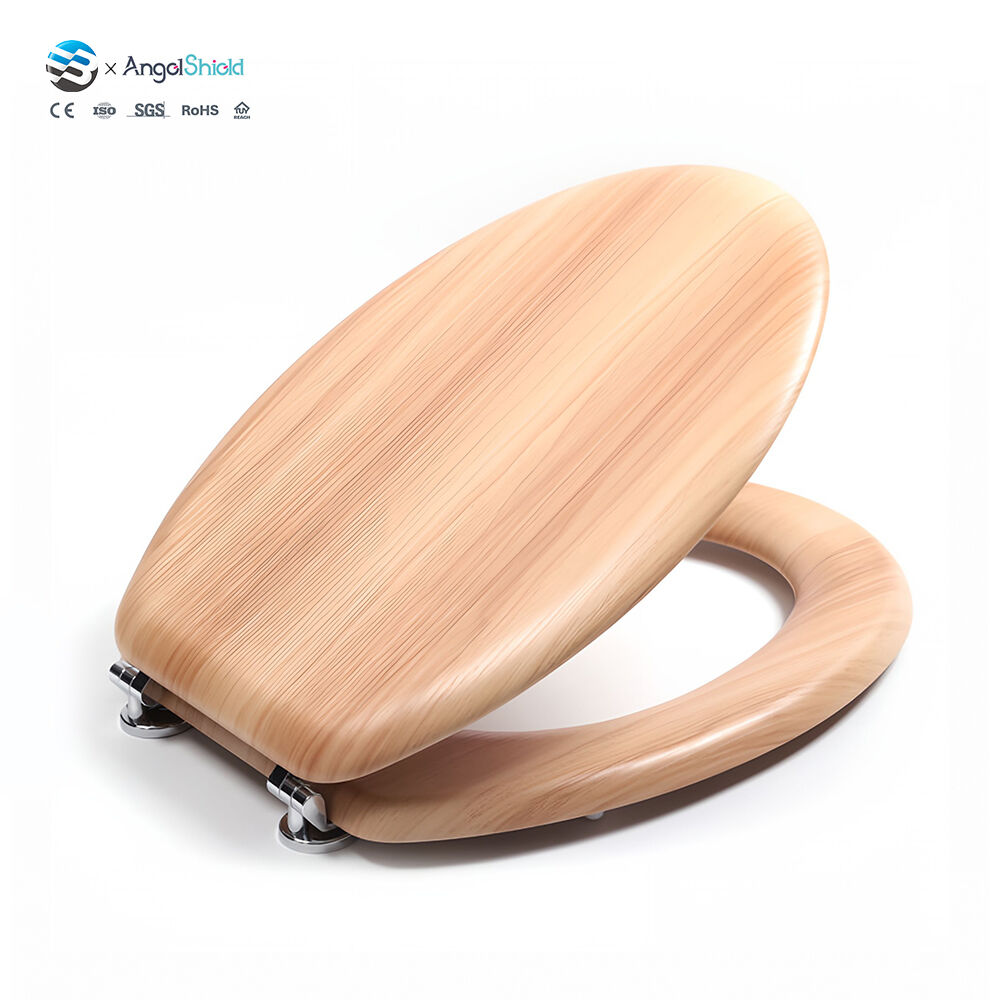
The wooden toilet lid represents an exceptional long-term value investment, delivering superior durability that significantly exceeds the lifespan of conventional plastic alternatives when properly maintained and constructed from quality materials. Premium hardwood construction can provide decades of reliable service, making it one of the most cost-effective bathroom fixtures available to homeowners seeking lasting value. The natural strength characteristics of wood, particularly dense hardwoods like oak, maple, and bamboo, create inherent resistance to stress fractures, impact damage, and gradual wear that commonly affect plastic products. This structural integrity maintains functionality and appearance over extended periods, reducing replacement frequency and associated costs. Quality wooden toilet lid construction incorporates traditional joinery techniques combined with modern engineering principles that distribute stress loads effectively across the entire structure. Reinforced hinge mounting points and precision-fitted components ensure smooth operation and prevent premature failure at critical stress points. The aging process actually improves many aspects of wooden toilet lid performance, as natural wood fibers settle and strengthen over time when protected with appropriate finishes. This maturation process contrasts sharply with plastic degradation that begins immediately upon installation and accelerates with exposure to cleaning chemicals and temperature fluctuations. Modern protective finishing systems create multiple layers of defense against moisture penetration, chemical damage, and physical wear that could compromise structural integrity. These advanced coatings utilize nanotechnology and polymer chemistry to create durable barriers that maintain wood appearance while providing practical protection. Repair capabilities represent another significant durability advantage, as minor damage to wooden toilet lids can often be addressed through refinishing, sanding, or targeted repairs that restore original appearance and functionality. Plastic alternatives typically require complete replacement when damaged, as repair options remain limited and often ineffective. The wooden toilet lid develops a natural patina over time that adds character and visual appeal rather than detracting from appearance, unlike plastic products that show wear through discoloration, scratching, and surface degradation. Investment recovery occurs through extended service life, reduced replacement costs, enhanced property value, and superior user experience that justifies the initial premium cost through long-term savings and satisfaction.