Premium Wooden Seats - Ergonomic Design, Durable Construction & Sustainable Seating Solutions

wooden seat

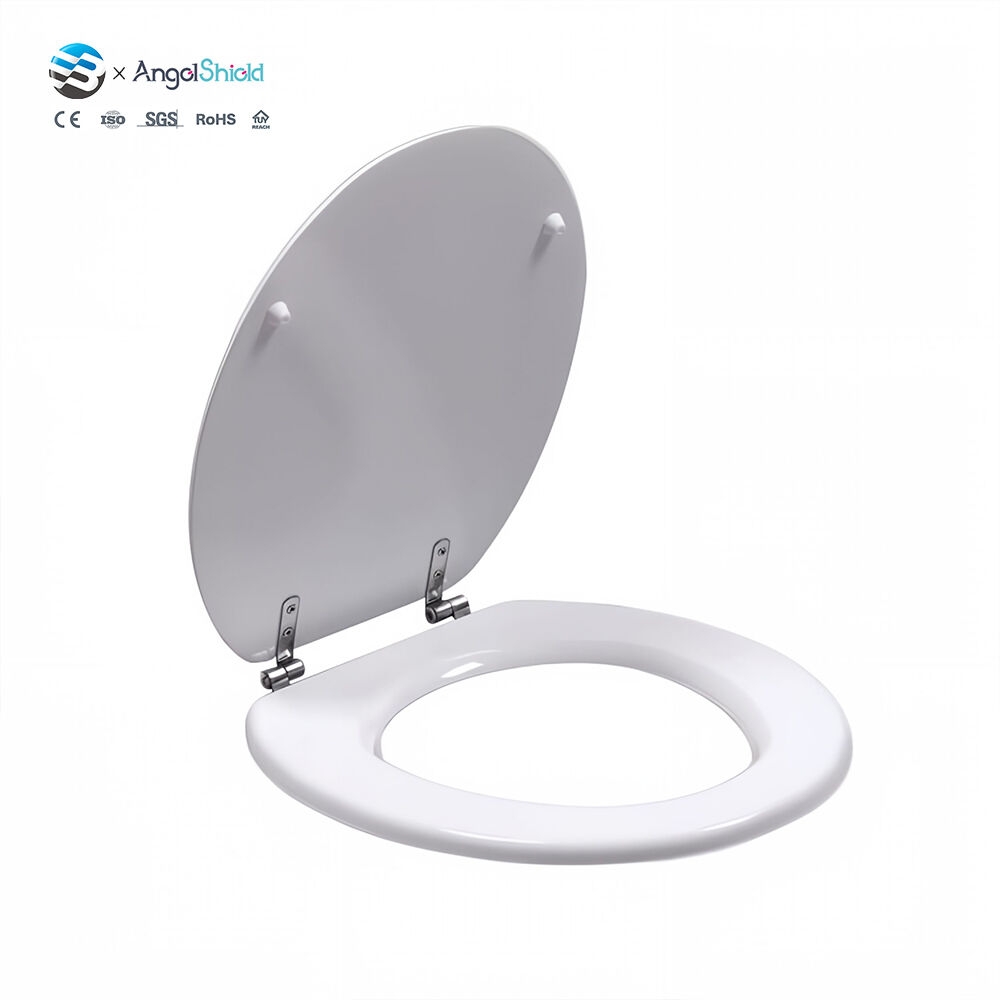
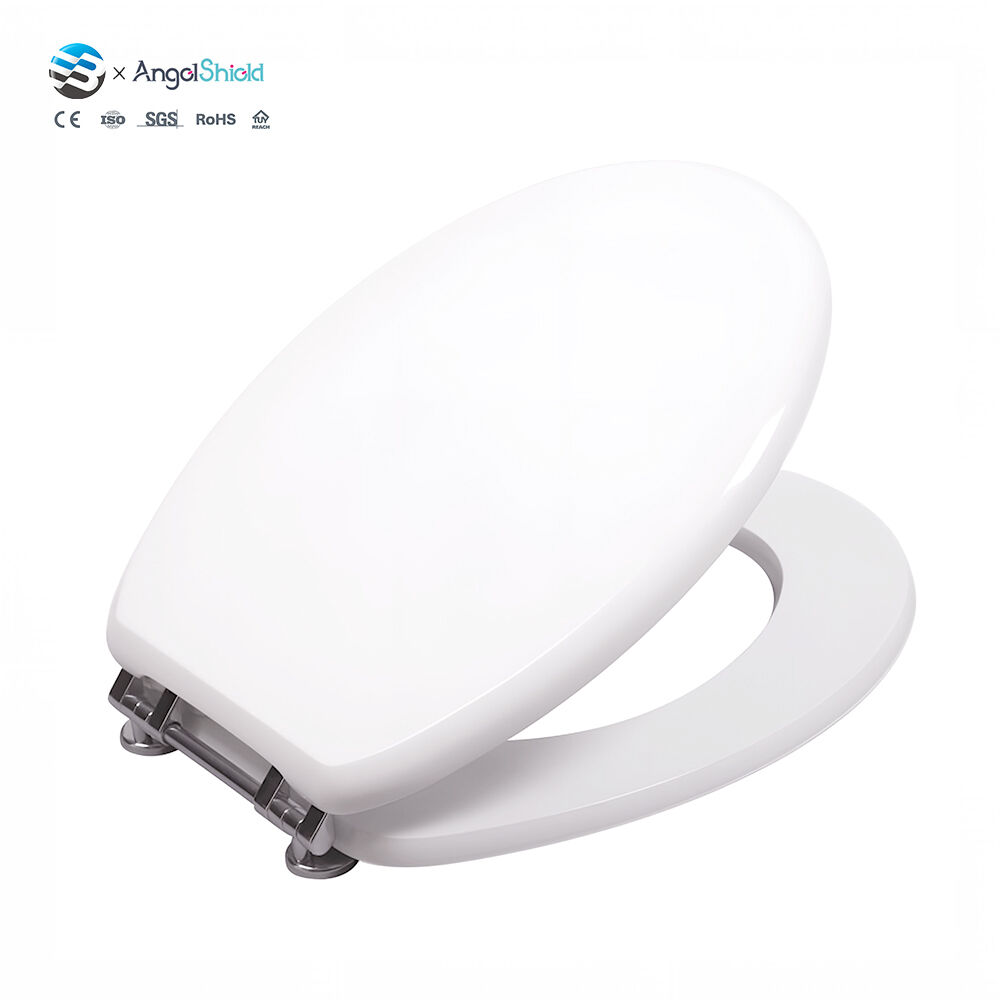
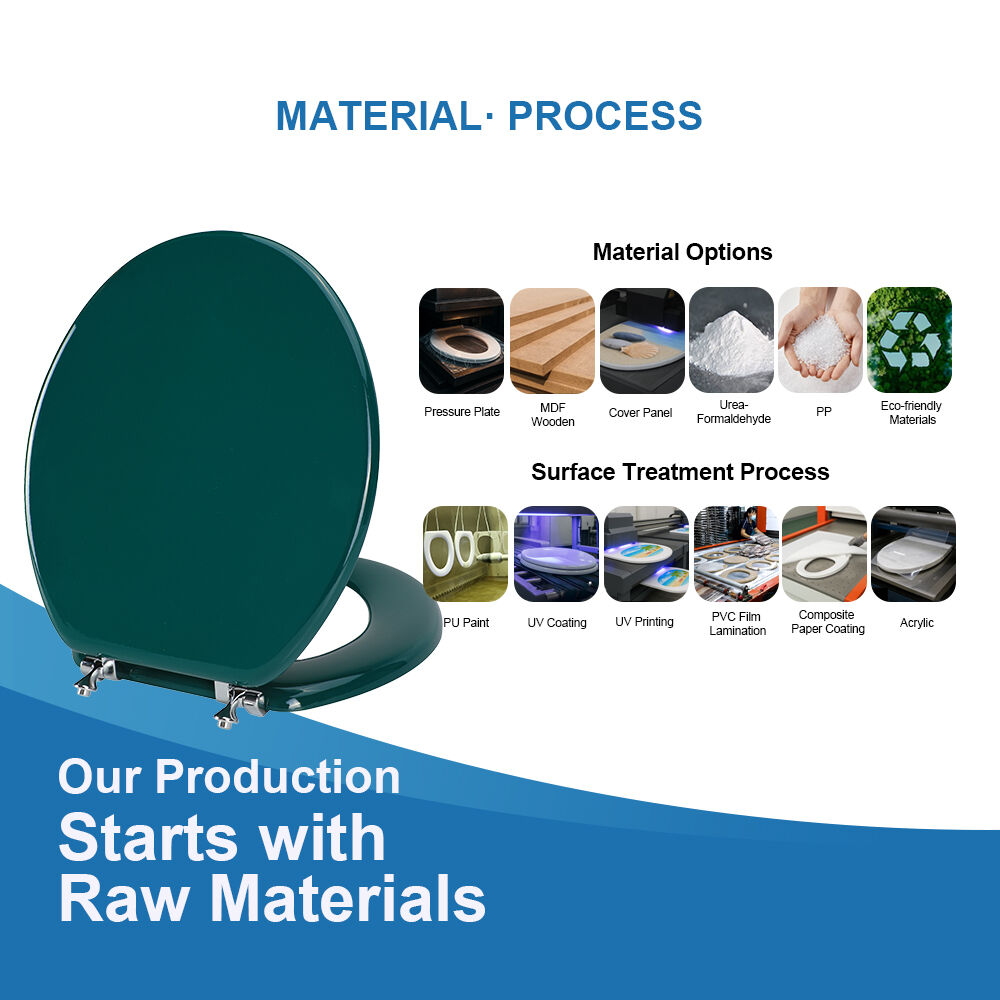
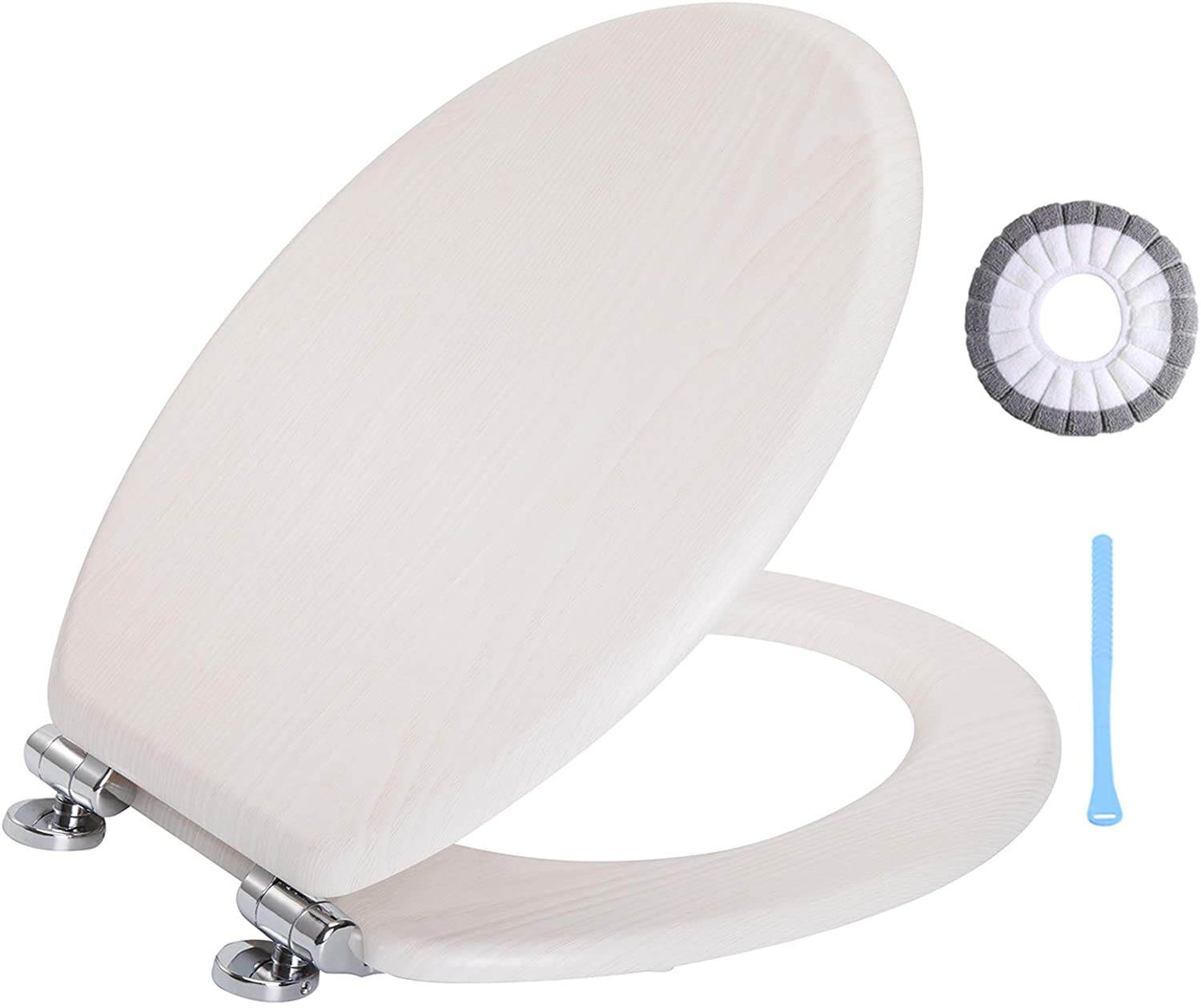
The wooden seat represents a timeless fusion of natural beauty and functional design, serving as an essential component in various seating applications. This versatile seating solution combines traditional craftsmanship with modern engineering principles to deliver exceptional comfort and durability. The wooden seat functions primarily as a supportive platform that distributes body weight evenly while providing aesthetic appeal through natural wood grains and textures. Its main functions include offering stable seating support, enhancing interior design schemes, and providing long-lasting performance in residential and commercial environments. Technological features of the wooden seat include precision-engineered ergonomic curves that conform to natural body contours, advanced moisture-resistant treatments that protect against environmental damage, and specialized joinery techniques that ensure structural integrity. The manufacturing process incorporates computer-aided design systems to optimize comfort angles and weight distribution patterns. Surface treatments utilize eco-friendly finishes that maintain the wood's natural breathing properties while providing protection against wear and stains. Applications for the wooden seat span numerous sectors including dining furniture, office seating, outdoor furniture, educational institutions, and hospitality venues. In dining applications, the wooden seat complements table designs while offering comfortable meal-time seating. Office environments benefit from wooden seats that provide professional aesthetics combined with ergonomic support for extended work periods. Educational settings utilize wooden seats for their durability and ability to withstand heavy daily use by students. The hospitality industry values wooden seats for creating warm, inviting atmospheres that enhance customer experiences. Outdoor applications leverage specially treated wooden seats that resist weather elements while maintaining structural stability. The versatility of the wooden seat allows for customization in dimensions, wood species selection, and finish options to match specific design requirements and functional needs across diverse applications.

Popular Products

The wooden seat offers numerous compelling advantages that make it an excellent choice for discerning customers seeking quality seating solutions. Durability stands as the foremost benefit, as properly crafted wooden seats can last for decades with minimal maintenance, providing exceptional value for investment. Unlike synthetic materials that degrade over time, quality wood develops character and beauty through aging, creating furniture pieces that become more attractive with use. The natural strength of wood provides reliable structural support that maintains stability under regular use, making wooden seats ideal for high-traffic environments. Environmental sustainability represents another significant advantage, as wooden seats utilize renewable resources that contribute to carbon sequestration and support responsible forest management practices. Customers who choose wooden seats actively participate in environmentally conscious consumption while enjoying products that can be recycled or repurposed at the end of their useful life. Comfort benefits derive from wood's natural ability to regulate temperature, preventing the excessive heat buildup common with metal or plastic seating. The wooden seat maintains comfortable surface temperatures throughout seasonal changes, enhancing user experience during extended sitting periods. Customization possibilities offer tremendous flexibility, allowing customers to select wood species, stain colors, and design elements that perfectly match existing decor or personal preferences. This adaptability ensures that each wooden seat can serve as a unique design statement while maintaining functional excellence. Health advantages include the absence of harmful chemicals often found in synthetic seating materials, making wooden seats particularly suitable for individuals with sensitivities or allergies. The natural antimicrobial properties of certain wood species contribute to cleaner seating surfaces. Economic benefits emerge through the wooden seat's longevity and timeless appeal, which maintains resale value better than alternative materials. Maintenance requirements remain minimal, typically involving occasional cleaning and periodic refinishing to restore original beauty. The wooden seat's ability to complement various design styles ensures versatility across changing interior trends, eliminating the need for frequent replacements and providing long-term satisfaction for customers who value both form and function.

Latest News

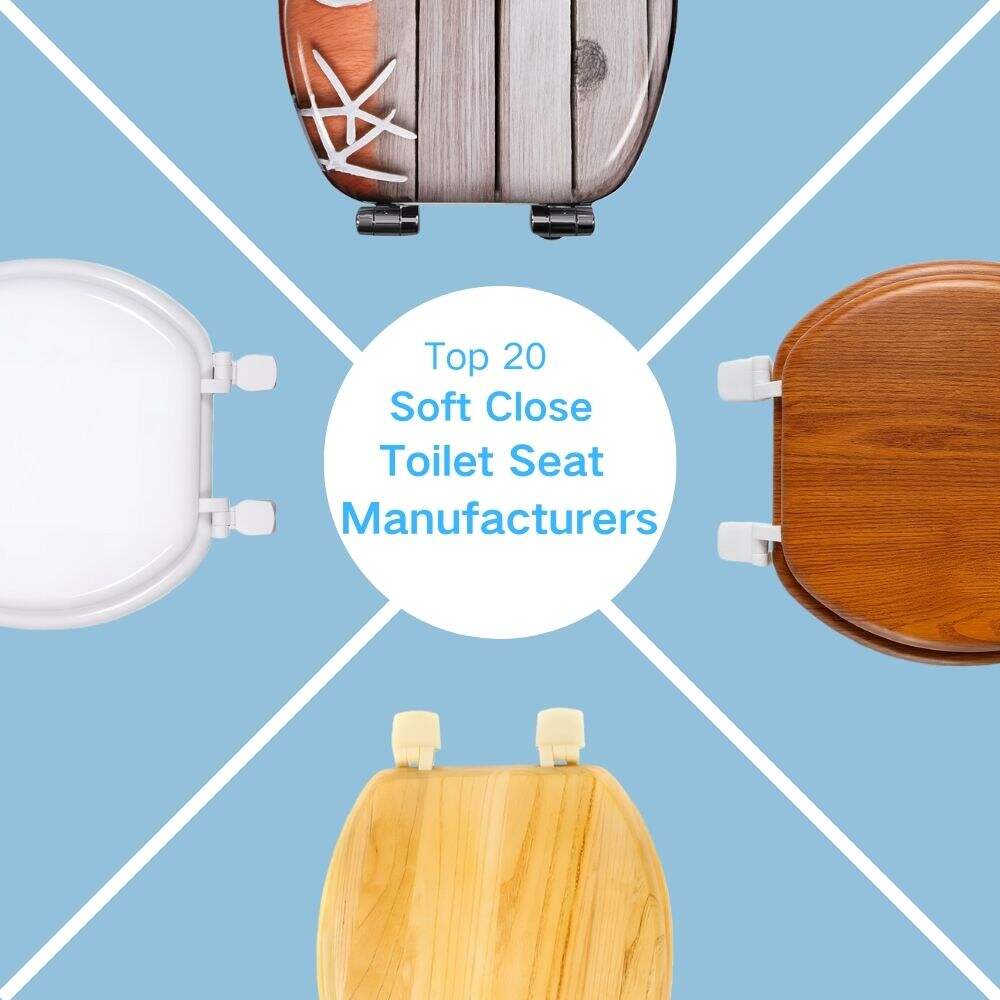
Top 20 Soft Close Toilet Seat Manufacturers Worldwide (OEM & Wholesale)

13

Jan

Top 20 Soft Close Toilet Seat Manufacturers Worldwide (OEM & Wholesale)

Explore the top 20 soft close toilet seat manufacturers worldwide. Compare OEM & wholesale suppliers by hinge quality, materials, certifications, and production capability.
View More
OEM Soft Close Toilet Seat Manufacturer: Customization, MOQ & Lead Time

23

Jan

OEM Soft Close Toilet Seat Manufacturer: Customization, MOQ & Lead Time

A practical guide to working with an OEM soft close toilet seat manufacturer. Learn about customization options, MOQ requirements, lead time, and production planning.
View More
Replacement Toilet Seat Materials: PP vs MDF vs UF

13

Jan

Replacement Toilet Seat Materials: PP vs MDF vs UF

View More
Replacement Toilet Seat OEM Manufacturer & Wholesale Supply Guide

13

Jan

Replacement Toilet Seat OEM Manufacturer & Wholesale Supply Guide

View More

Get a Free Quote

Our representative will contact you soon.
Email
Name
Company Name
Message
0/1000

wooden seat

Superior Ergonomic Design and Comfort Technology

Superior Ergonomic Design and Comfort Technology

The wooden seat incorporates advanced ergonomic design principles that prioritize user comfort through scientifically-engineered curves and contours. This ergonomic excellence stems from extensive research into human anatomy and sitting postures, resulting in seat profiles that naturally support the body's skeletal structure and promote healthy posture. The contoured design features precisely calculated angles that reduce pressure points while encouraging proper spinal alignment during extended sitting periods. Unlike flat or poorly designed seating surfaces, the wooden seat's ergonomic profile distributes body weight evenly across the seat surface, minimizing stress concentrations that can lead to discomfort or fatigue. The seat's dimensions follow anthropometric data to accommodate diverse body types while maintaining optimal support for the majority of users. Edge profiling receives special attention, with rounded or beveled edges that prevent pressure buildup behind the knees, promoting healthy blood circulation during prolonged sitting. The wooden seat's natural flexibility provides subtle give under load, creating a dynamic seating experience that adapts to individual body movements without compromising structural integrity. This flexibility distinguishes wood from rigid materials like metal or hard plastics that can create uncomfortable pressure points. Surface texturing on the wooden seat can be customized to provide optimal friction characteristics, preventing sliding while maintaining comfort during position changes. Temperature regulation represents another ergonomic advantage, as wood's thermal properties keep the seating surface comfortable across various environmental conditions. The wooden seat's breathability prevents moisture accumulation that can occur with non-porous materials, contributing to user comfort during extended use. Manufacturing precision ensures consistent ergonomic performance across production runs, with quality control measures that verify dimensional accuracy and surface finish quality. The ergonomic benefits of the wooden seat extend beyond immediate comfort to include long-term health advantages, as proper seating support can reduce the risk of back problems and postural issues associated with poorly designed seating solutions.
Exceptional Durability and Weather Resistance

Exceptional Durability and Weather Resistance

The wooden seat demonstrates remarkable durability through advanced treatment processes and careful material selection that ensure long-lasting performance under demanding conditions. This exceptional durability begins with the selection of premium wood species known for their natural strength, density, and resistance to wear. Hardwood varieties used in wooden seat construction possess tight grain structures that provide superior mechanical properties and resistance to impact damage. The manufacturing process includes comprehensive treatment protocols that enhance the wood's natural durability characteristics while maintaining its aesthetic appeal. Moisture protection treatments penetrate deep into the wood fibers, creating barriers against humidity fluctuations that can cause warping, cracking, or dimensional instability. These protective treatments utilize environmentally safe formulations that preserve the wood's natural breathing properties while providing long-term protection against moisture-related deterioration. Weather resistance capabilities make the wooden seat suitable for both indoor and outdoor applications, with specialized finishes that withstand UV radiation, temperature extremes, and precipitation. The finish system typically includes multiple coating layers that work synergistically to provide comprehensive protection while allowing the natural wood beauty to show through. UV-resistant topcoats prevent color fading and surface degradation that can occur with prolonged sun exposure, ensuring that the wooden seat maintains its appearance over time. Temperature stability results from careful wood selection and proper seasoning processes that remove excess moisture and relieve internal stresses that could lead to cracking or splitting. The wooden seat's structural design incorporates engineering principles that account for natural wood movement, allowing for seasonal expansion and contraction without compromising joint integrity or overall stability. Quality joinery techniques using traditional methods combined with modern adhesives create connections that often prove stronger than the surrounding wood itself. Regular maintenance requirements remain minimal, typically involving periodic cleaning and occasional refinishing to restore surface protection and enhance appearance. The wooden seat's durability extends its service life significantly compared to alternative materials, providing excellent return on investment for customers who value long-term performance and reliability in their seating solutions.
Sustainable Manufacturing and Environmental Benefits

Sustainable Manufacturing and Environmental Benefits

The wooden seat exemplifies sustainable manufacturing practices through responsible sourcing, eco-friendly production methods, and positive environmental impact throughout its lifecycle. This commitment to sustainability begins with careful selection of wood materials from certified forests that practice responsible harvesting techniques and maintain ecological balance. Forest certification programs ensure that wooden seat production supports reforestation efforts and biodiversity conservation while providing economic benefits to local communities involved in sustainable forestry. The renewable nature of wood makes the wooden seat an environmentally responsible choice compared to seating options manufactured from non-renewable petroleum-based materials or energy-intensive metal production processes. Carbon sequestration represents a significant environmental benefit, as the wood used in wooden seat construction continues to store carbon dioxide absorbed during the tree's growth, contributing to climate change mitigation efforts. Manufacturing processes for wooden seats typically require less energy compared to alternatives like metal or plastic seating, reducing the overall carbon footprint associated with production. Local sourcing opportunities minimize transportation distances and associated emissions while supporting regional economies and reducing dependence on imported materials. The wooden seat's manufacturing process generates minimal waste through efficient utilization of raw materials and recycling of production byproducts like sawdust and wood shavings for other applications. Water usage in wooden seat production remains significantly lower than processes required for metal finishing or plastic molding, contributing to conservation of this precious resource. End-of-life considerations demonstrate additional environmental advantages, as wooden seats can be easily recycled, repurposed, or disposed of through biodegradable processes that return nutrients to the soil. Unlike synthetic materials that may persist in landfills for centuries, wooden seats naturally decompose while contributing organic matter to soil systems. Refinishing capabilities extend the wooden seat's service life through periodic restoration that refreshes appearance and protective properties without requiring complete replacement. This longevity reduces the frequency of furniture replacement cycles, minimizing resource consumption and waste generation over time. The wooden seat's compatibility with green building standards and sustainable design certifications makes it an excellent choice for environmentally conscious projects and customers who prioritize ecological responsibility in their purchasing decisions.

Get a Free Quote

Our representative will contact you soon.
Email
Name
Company Name
Message
0/1000