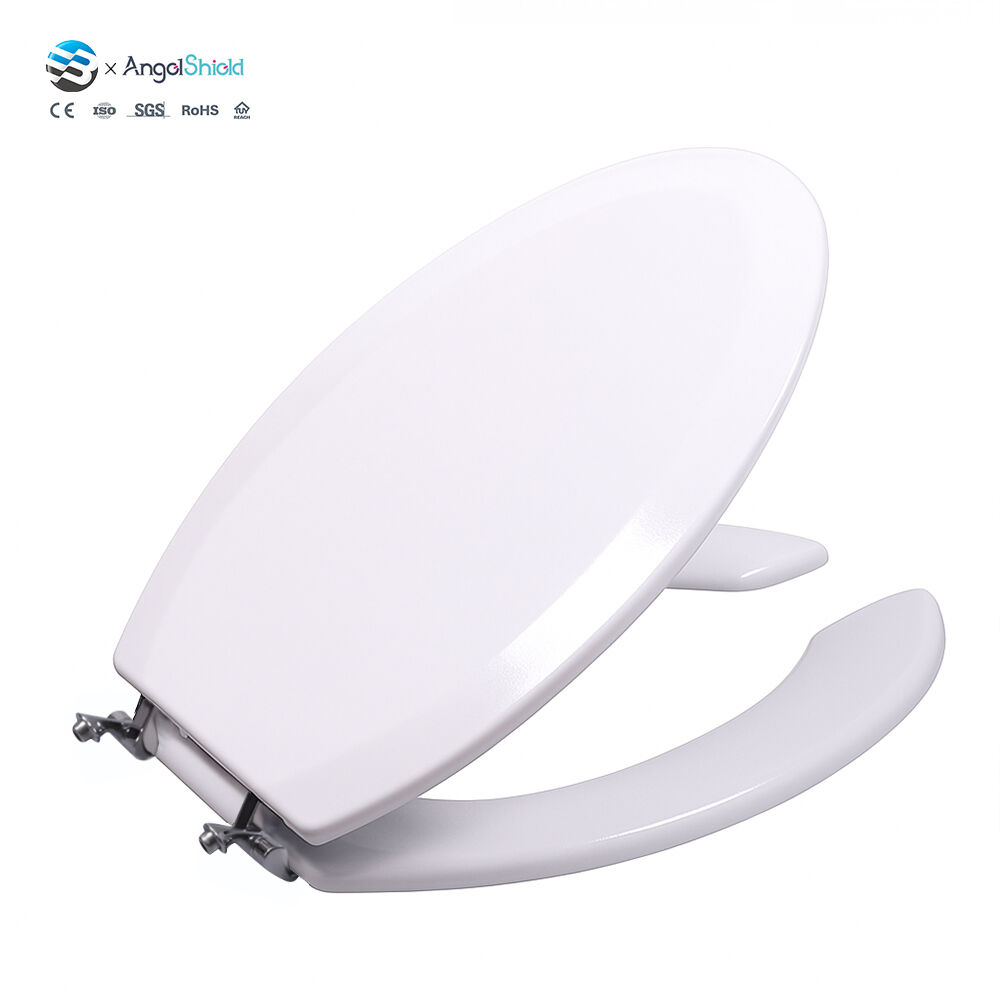
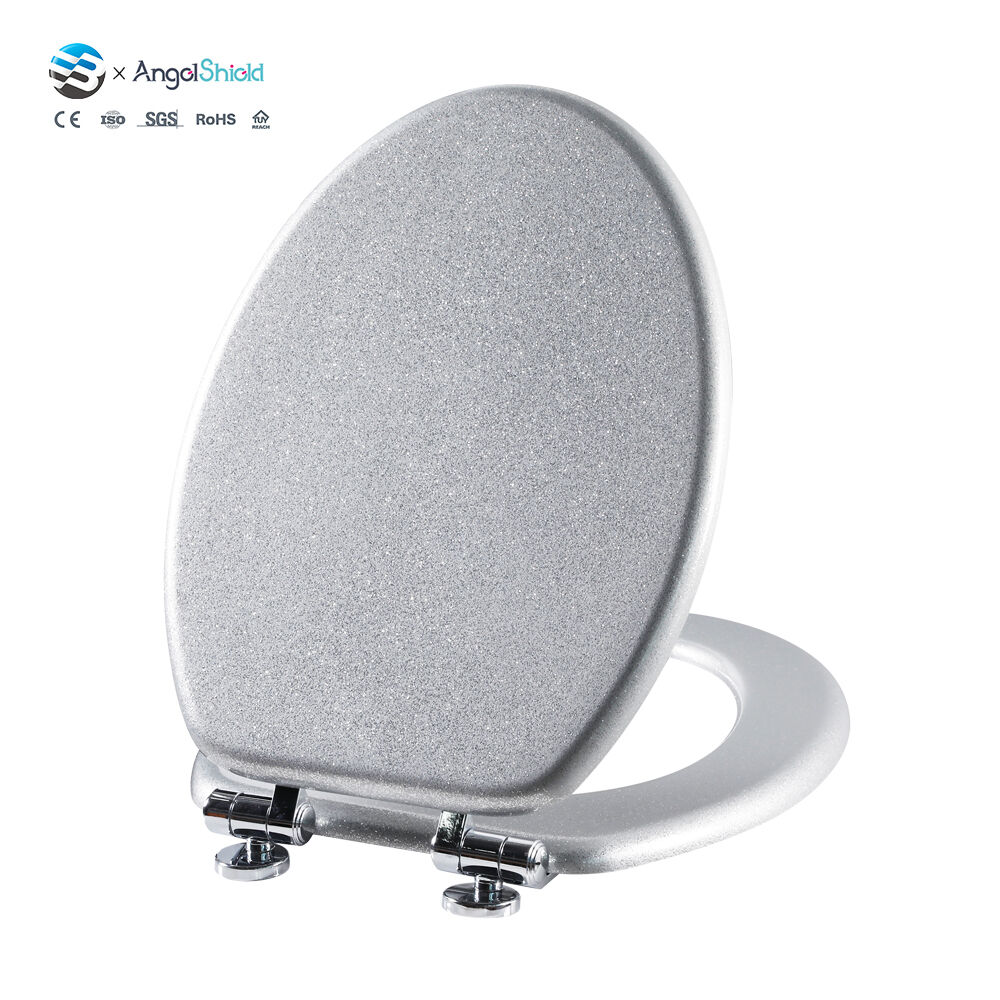
wood vs plastic toilet seat
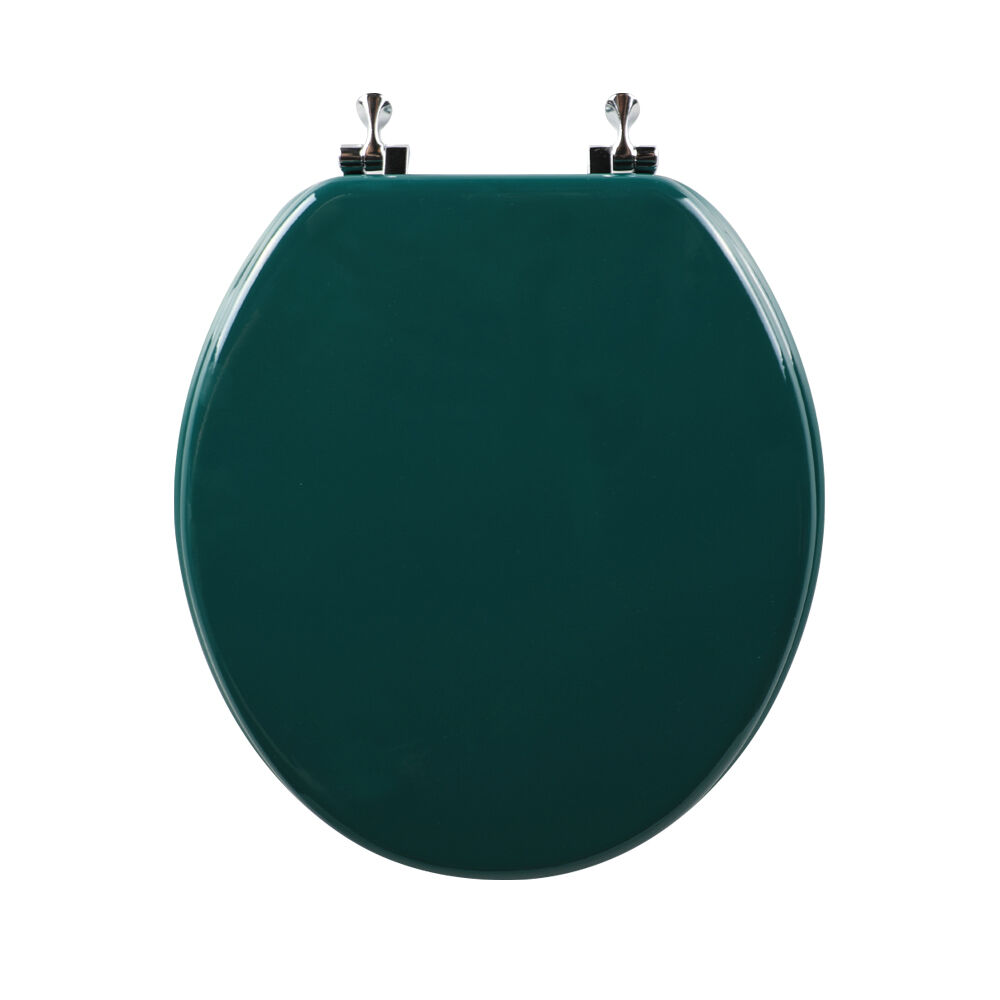
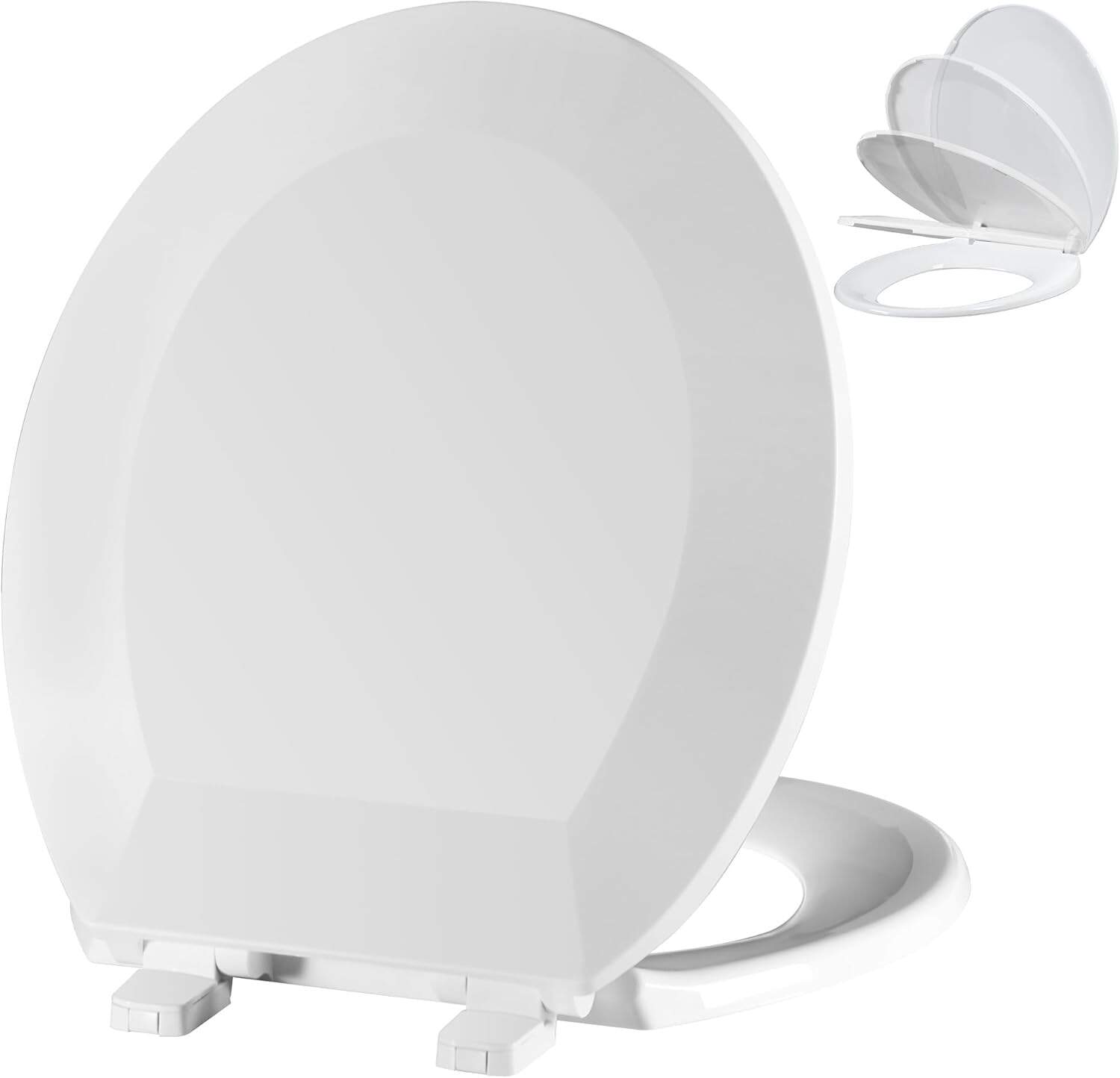
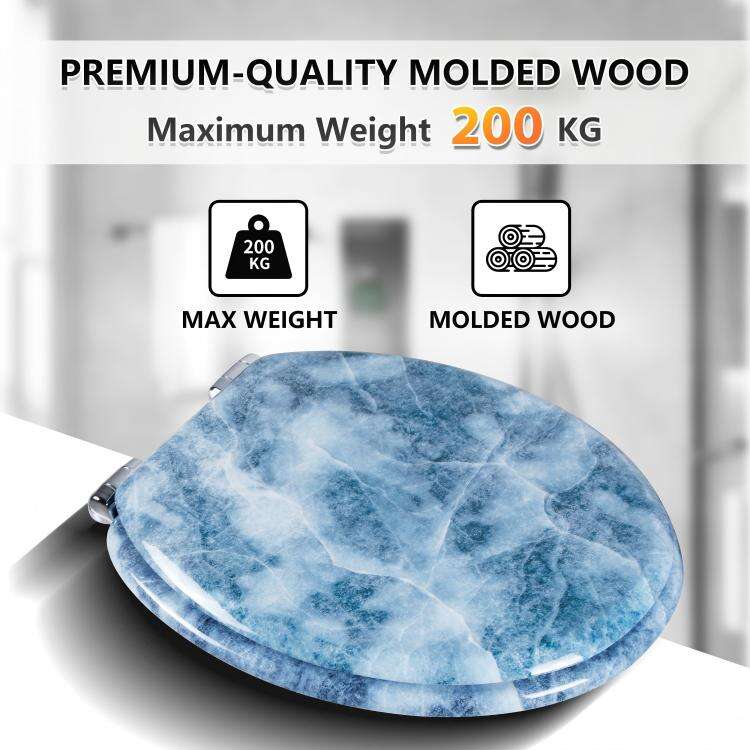
When selecting bathroom fixtures, the choice between wood vs plastic toilet seat options represents one of the most significant decisions homeowners face. This comparison extends beyond simple aesthetics, encompassing durability, maintenance requirements, cost considerations, and environmental impact. Understanding the fundamental differences between these materials helps consumers make informed decisions that align with their specific needs and preferences. Wood toilet seats traditionally offer natural beauty and warmth, crafted from various timber species including oak, pine, bamboo, and engineered wood composites. These seats provide exceptional comfort due to wood's natural insulating properties, maintaining comfortable temperatures regardless of ambient conditions. The manufacturing process involves careful selection of materials, precision cutting, sanding, and application of protective finishes that enhance durability and water resistance. Plastic toilet seats, conversely, utilize advanced polymer technology and injection molding techniques to create lightweight, versatile products. Modern plastic formulations include thermoplastic materials, polypropylene compounds, and specialized additives that enhance strength, flexibility, and antimicrobial properties. The wood vs plastic toilet seat debate often centers on technological innovations within both categories. Wooden options now incorporate moisture-resistant treatments, antimicrobial coatings, and ergonomic designs that maximize comfort while maintaining traditional appeal. Plastic alternatives feature advanced engineering solutions including reinforced hinges, soft-close mechanisms, and easy-release systems for simplified cleaning. Applications vary significantly between residential and commercial environments. Luxury homes often prefer wooden toilet seats for their premium appearance and natural characteristics, while high-traffic commercial spaces typically choose plastic options for their durability and low maintenance requirements. The wood vs plastic toilet seat selection process must consider factors such as bathroom humidity levels, usage frequency, cleaning preferences, and budget constraints. Both materials serve identical primary functions of providing comfortable seating and hygiene protection, yet their performance characteristics differ substantially in real-world applications.