Wood vs Plastic Toilet Seats: Complete Comparison Guide for Comfort, Durability and Style

wood vs plastic toilet seats

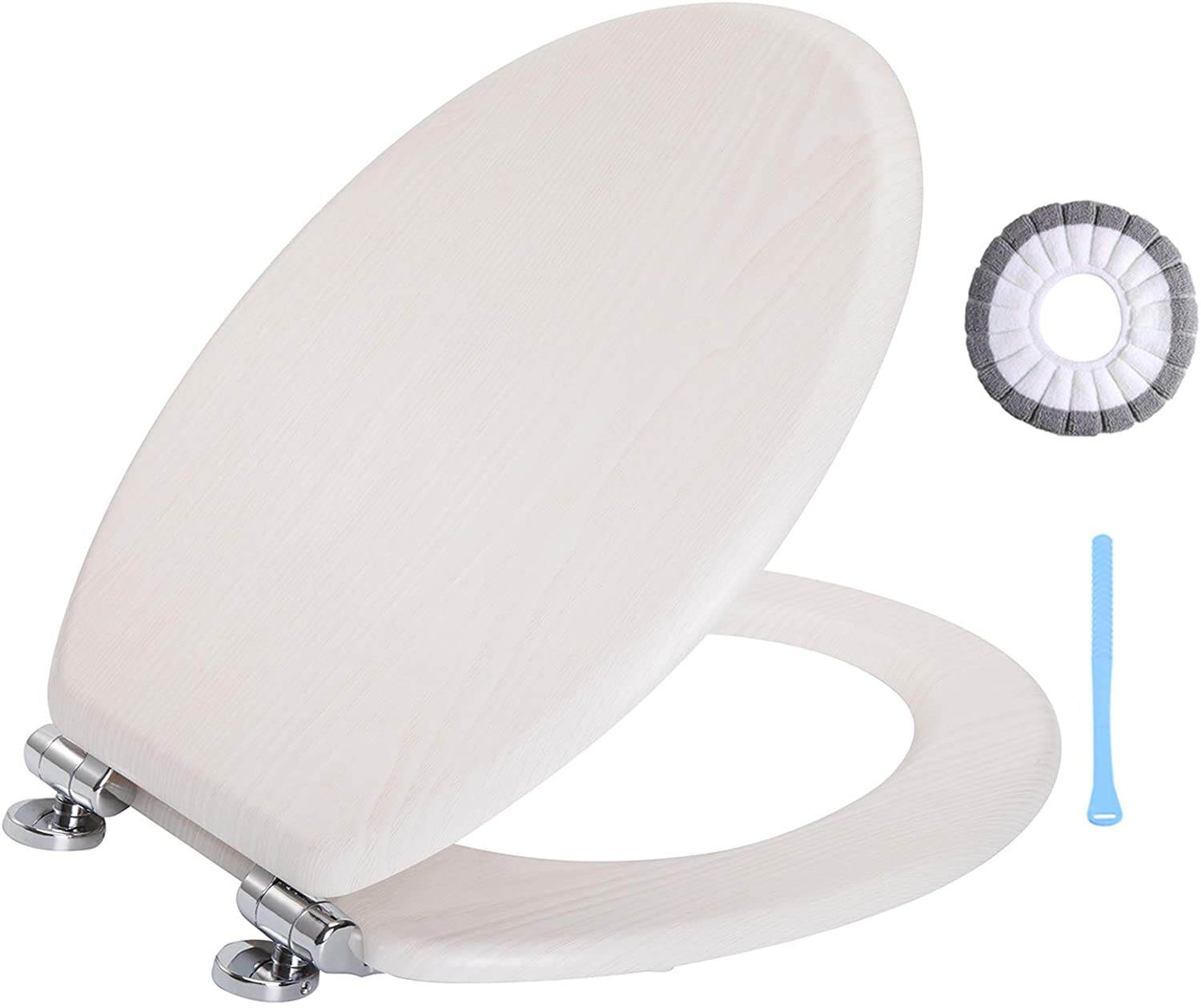
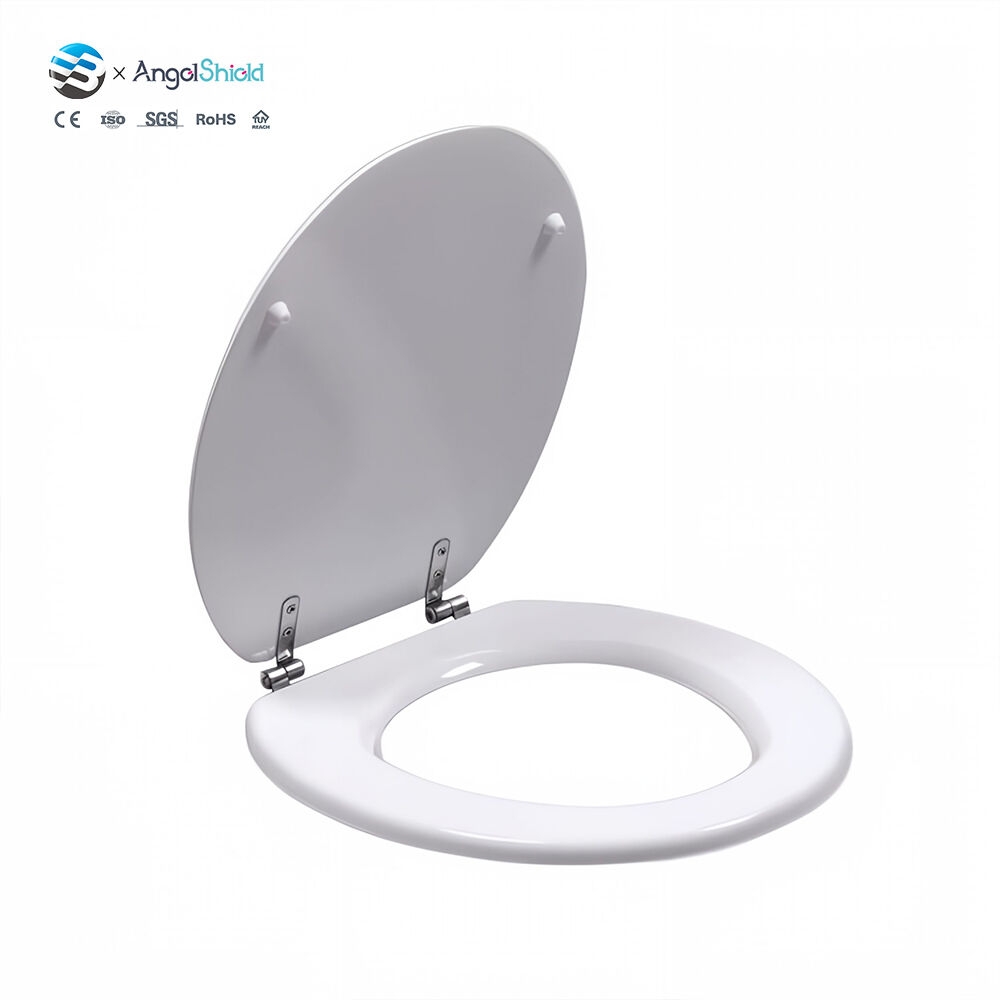
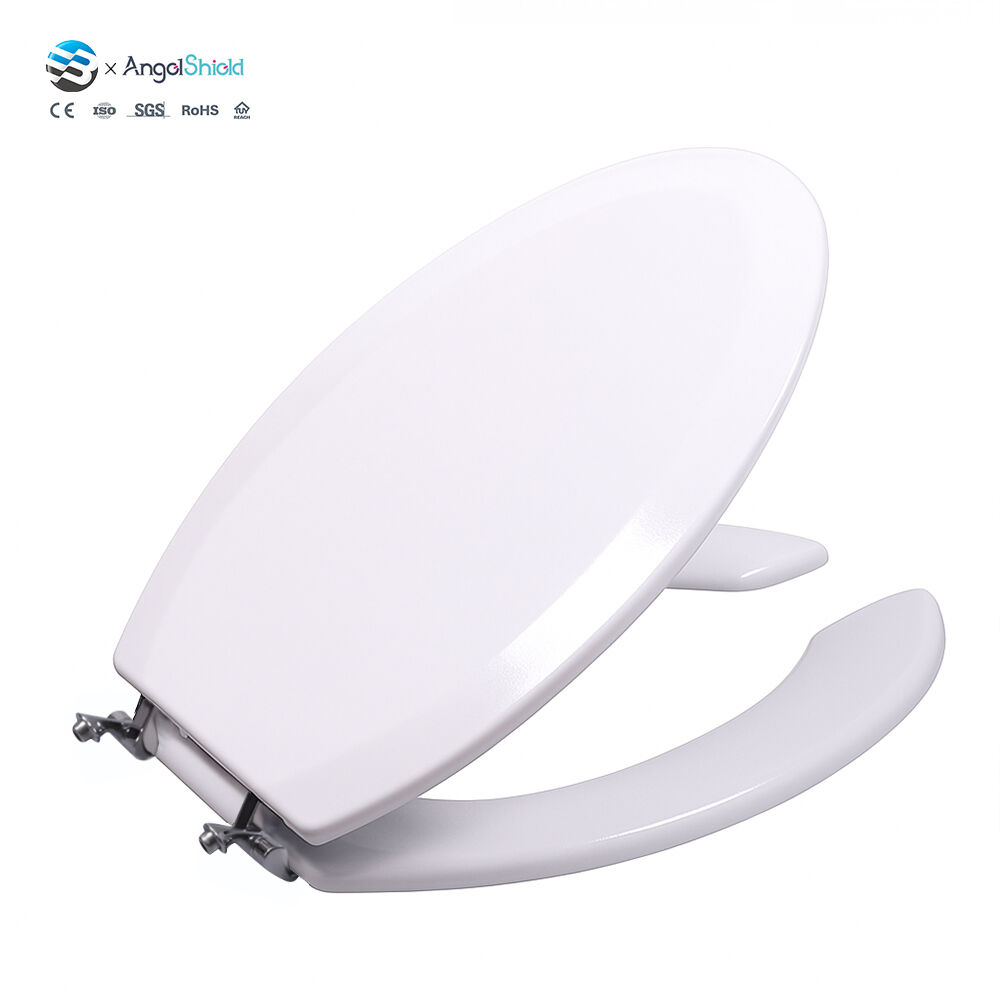
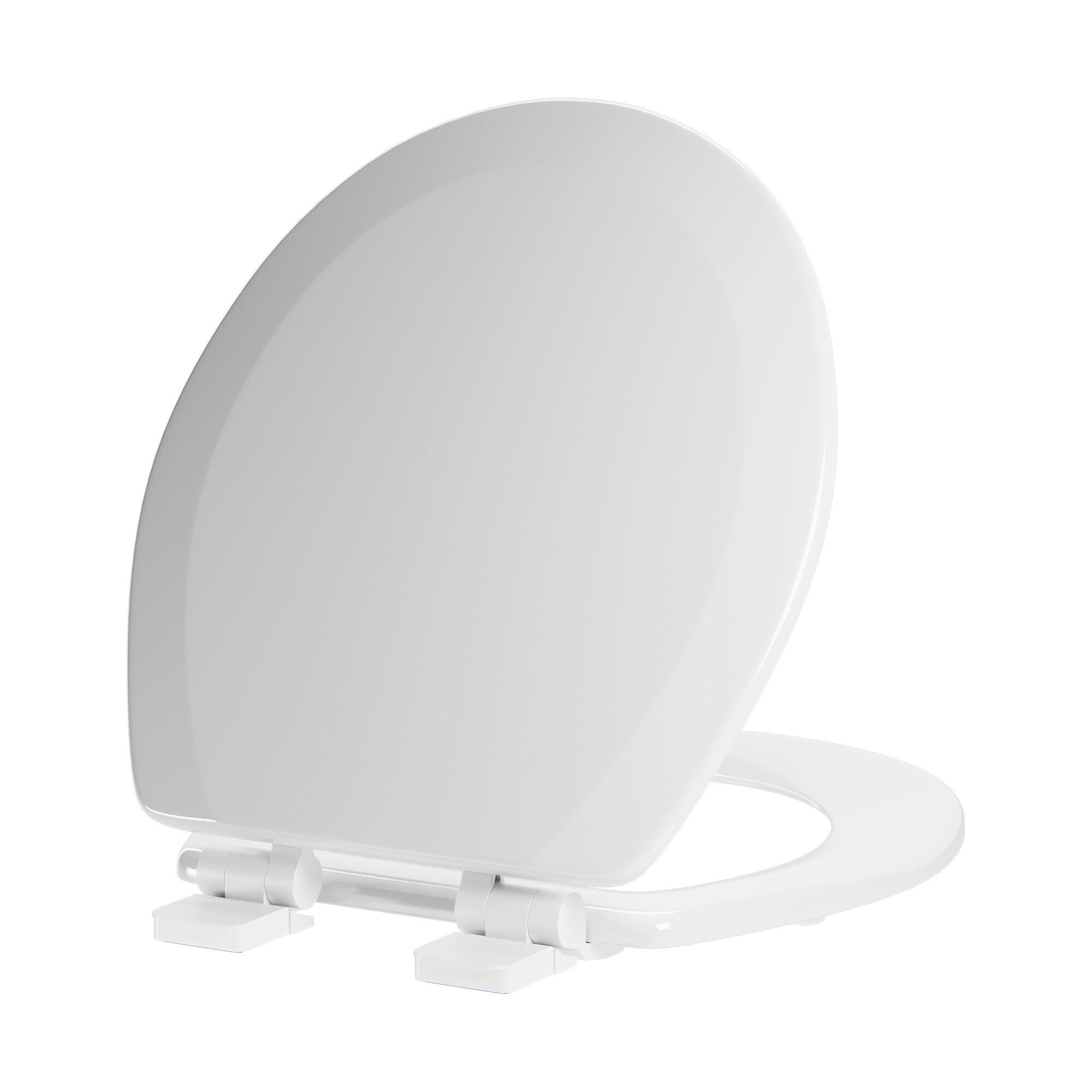
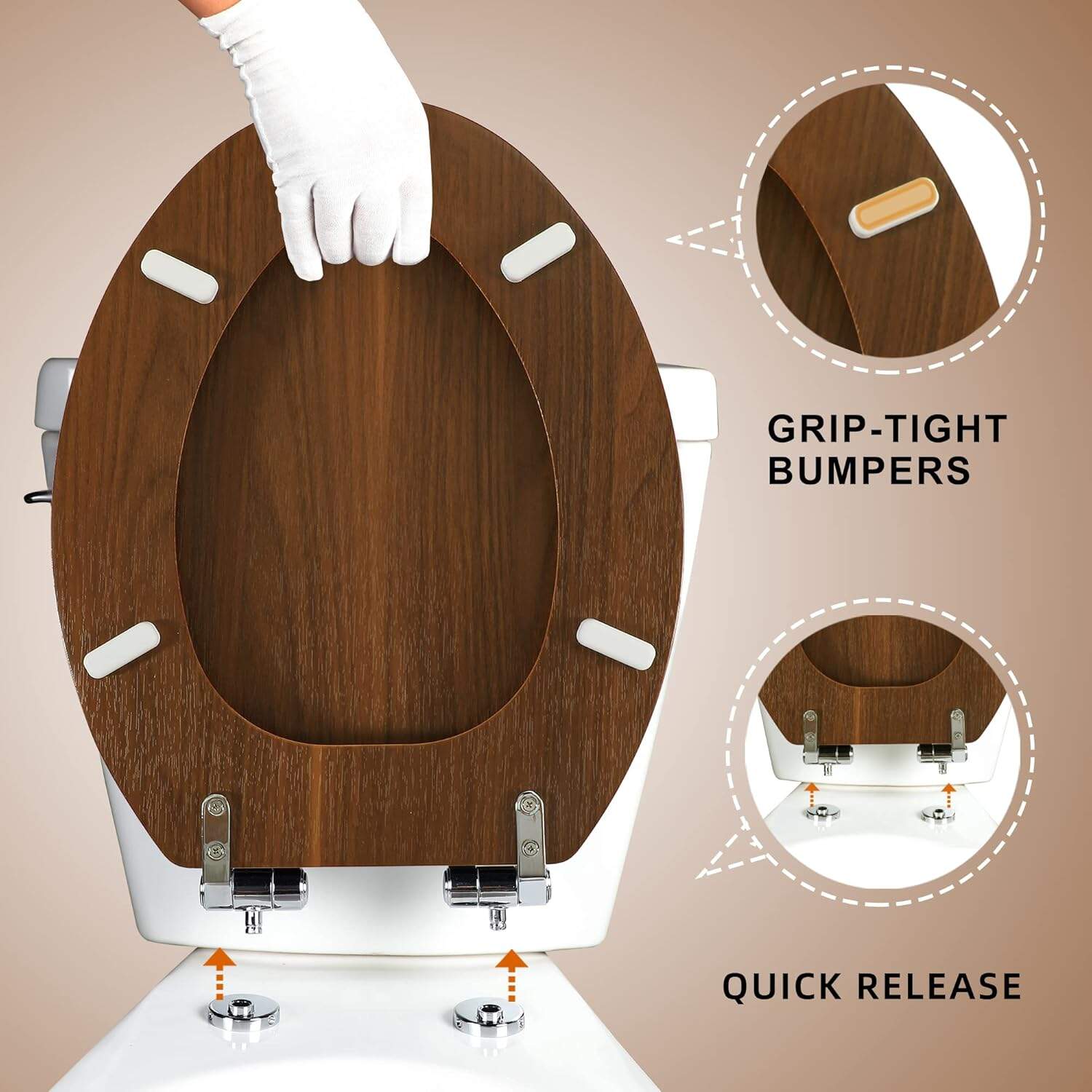
When selecting bathroom fixtures, homeowners often face the decision between wood vs plastic toilet seats, each offering distinct characteristics that cater to different preferences and requirements. Wood vs plastic toilet seats represent two fundamental approaches to bathroom design, comfort, and functionality. Wooden toilet seats typically feature natural materials such as oak, pine, or bamboo, providing a warm, traditional aesthetic that complements classic bathroom decors. These seats often incorporate solid construction methods with metal hinges and hardware designed for longevity. Plastic toilet seats, conversely, utilize modern polymer materials including polypropylene, thermoplastic, or molded resin compounds that offer lightweight construction and enhanced moisture resistance. The technological features distinguishing wood vs plastic toilet seats include surface treatments, mounting mechanisms, and structural engineering. Wooden seats frequently receive multiple coats of protective finish, including polyurethane or lacquer applications that create water-resistant barriers while maintaining the natural grain appearance. Advanced wooden models incorporate slow-close mechanisms using hydraulic dampers or spring-loaded systems that prevent slamming. Plastic seats employ injection molding techniques that create seamless surfaces with integrated color throughout the material, eliminating concerns about paint chipping or wear patterns. Many plastic designs feature antimicrobial additives that inhibit bacterial growth and odor development. Applications for wood vs plastic toilet seats vary significantly based on environmental conditions and user preferences. Wooden seats excel in residential bathrooms with controlled humidity levels and infrequent heavy usage, particularly in master bathrooms or powder rooms where aesthetic appeal takes precedence. Plastic seats prove superior in high-traffic environments, children's bathrooms, and spaces with elevated moisture levels such as basement bathrooms or locations with poor ventilation. Commercial applications typically favor plastic construction due to durability requirements and maintenance considerations in public facilities.

New Products

The comparison between wood vs plastic toilet seats reveals compelling advantages for each material type that directly impact user experience and long-term satisfaction. Wooden toilet seats provide exceptional comfort through their natural insulating properties, maintaining neutral temperatures regardless of ambient conditions. Unlike cold surfaces that shock users during winter months, wood naturally adjusts to body temperature, creating a more pleasant seating experience. The aesthetic appeal of wood vs plastic toilet seats heavily favors natural materials, as wooden seats complement traditional, rustic, and contemporary bathroom designs with their organic textures and warm color variations. Homeowners appreciate how wooden seats add sophistication and elegance to their bathroom spaces while increasing overall property value through premium material selection. Durability represents another significant advantage of quality wooden seats, as properly maintained hardwood constructions can last decades without structural deterioration. The solid construction of wooden seats provides superior weight distribution and stability compared to hollow plastic alternatives. Plastic toilet seats excel in practical maintenance requirements, offering effortless cleaning protocols that save time and reduce bacterial concerns. The non-porous surface of plastic prevents moisture absorption, eliminating warping, swelling, or cracking issues common with lower-quality wooden seats. Stain resistance capabilities of plastic seats surpass wood vs plastic toilet seats comparisons, as plastic materials resist permanent discoloration from cleaning chemicals, medications, or accidental spills. Cost effectiveness strongly favors plastic construction, with quality plastic seats available at fraction of premium wooden seat prices while delivering comparable functionality. Installation simplicity benefits plastic seats through their lighter weight and standardized mounting systems that accommodate various toilet bowl configurations without specialized hardware. Hygiene considerations give plastic seats advantages through their seamless surfaces that eliminate crevices where bacteria might accumulate, making them ideal for families with young children or immunocompromised individuals. Environmental resistance of plastic seats outperforms wood in humid climates where moisture damage poses constant threats to natural materials.

Practical Tips

Replacement Toilet Seat: Complete Size, Type & OEM Supply Guide

13

Jan

Replacement Toilet Seat: Complete Size, Type & OEM Supply Guide

Complete guide to replacement toilet seats, covering sizes, types, compatibility standards for North America & Europe, and sourcing for wholesale, private label, and OEM buyers.
View More
Replacement Toilet Seat Size Guide: 17”, 18.5” & 19” Explained

13

Jan

Replacement Toilet Seat Size Guide: 17”, 18.5” & 19” Explained

View More
Replacement Toilet Seat Materials: PP vs MDF vs UF

13

Jan

Replacement Toilet Seat Materials: PP vs MDF vs UF

View More
Replacement Toilet Seat OEM Manufacturer & Wholesale Supply Guide

13

Jan

Replacement Toilet Seat OEM Manufacturer & Wholesale Supply Guide

View More

Get a Free Quote

Our representative will contact you soon.
Email
Name
Company Name
Message
0/1000

wood vs plastic toilet seats

Temperature Comfort and Natural Insulation Properties

Temperature Comfort and Natural Insulation Properties

The thermal characteristics distinguishing wood vs plastic toilet seats create dramatically different user experiences that influence daily comfort levels throughout all seasons. Wooden toilet seats possess inherent insulating properties that maintain neutral surface temperatures regardless of bathroom ambient conditions, eliminating the shocking cold sensation commonly experienced with plastic or ceramic surfaces during winter months. This natural temperature regulation occurs through wood's cellular structure, which contains microscopic air pockets that resist rapid temperature changes and provide thermal buffering effects. Users consistently report higher satisfaction levels with wooden seats because they never feel uncomfortably cold against skin contact, even in unheated bathrooms or during early morning usage when temperatures drop significantly. The molecular composition of wood fibers creates a material that quickly adapts to body temperature upon contact, providing immediate warmth and comfort that enhances the overall bathroom experience. This temperature stability extends beyond user comfort to practical benefits, as wooden seats eliminate condensation formation that frequently occurs on plastic surfaces in humid environments. The absence of surface condensation reduces bacterial growth opportunities and maintains cleaner, drier seating surfaces. Premium wooden toilet seats often incorporate additional thermal management features through specialized wood selection and finishing techniques that enhance natural insulating capabilities. Hardwoods like oak and maple demonstrate superior thermal properties compared to softwoods, maintaining consistent surface temperatures while resisting heat transfer from underlying toilet bowl materials. The finishing processes applied to quality wooden seats, including multiple polyurethane coats or natural oil treatments, preserve thermal insulation properties while protecting against moisture damage. This thermal advantage becomes particularly valuable in regions with extreme seasonal temperature variations, where bathroom comfort significantly impacts daily routines. Users report that wooden seats contribute to more relaxed, comfortable bathroom experiences that reduce stress and promote better overall well-being compared to cold, unwelcoming plastic alternatives.
Aesthetic Appeal and Interior Design Integration

Aesthetic Appeal and Interior Design Integration

The visual impact of wood vs plastic toilet seats extends far beyond basic functionality to encompass comprehensive interior design considerations that influence bathroom ambiance and property values. Wooden toilet seats serve as sophisticated design elements that seamlessly integrate with diverse decorating styles, from rustic farmhouse aesthetics to contemporary minimalist approaches and traditional colonial themes. The natural grain patterns, color variations, and organic textures of wooden seats create visual interest and warmth that plastic materials cannot replicate, regardless of manufacturing techniques or surface treatments. Premium wooden seats often showcase distinctive wood species characteristics, including cherry's rich reddish tones, oak's prominent grain patterns, or bamboo's sustainable linear striations that add authentic natural beauty to bathroom spaces. These aesthetic qualities contribute significantly to overall bathroom design cohesion, allowing wooden seats to complement existing cabinetry, flooring, and architectural elements in ways that mass-produced plastic seats cannot achieve. Interior designers consistently recommend wooden toilet seats for upscale bathroom renovations because they elevate the perceived quality and sophistication of entire spaces through their premium material presence. The craftsmanship evident in quality wooden seats, including hand-finished surfaces, precision-cut edges, and carefully selected hardware, demonstrates attention to detail that resonates with homeowners who value superior construction and materials throughout their homes. Color coordination opportunities with wooden seats surpass plastic alternatives through natural wood tones that harmonize with earth-tone color palettes, neutral schemes, and accent colors commonly used in bathroom design. The aging characteristics of wooden seats actually enhance their aesthetic appeal over time, as natural patinas develop and wood tones deepen, creating unique character that increases rather than diminishes visual appeal. Custom finishing options for wooden seats allow homeowners to match specific stain colors, gloss levels, or texture preferences that coordinate perfectly with existing bathroom elements. Real estate professionals recognize that premium bathroom fixtures, including quality wooden toilet seats, contribute measurably to property valuations and buyer appeal during home sales transactions.

Durability and Long-Term Investment Value

Durability and Long-Term Investment Value

The longevity comparison between wood vs plastic toilet seats reveals significant differences in structural integrity, maintenance requirements, and overall lifecycle costs that impact long-term value propositions for homeowners. Quality hardwood toilet seats demonstrate exceptional durability through their solid construction methods that distribute weight evenly across mounting points, preventing stress concentrations that commonly cause plastic seat failures. The dense cellular structure of hardwoods like oak, maple, and walnut provides inherent strength that resists cracking, splitting, or structural damage even under heavy usage conditions that might compromise plastic alternatives. Professional-grade wooden seats often incorporate reinforcement techniques including laminated construction, metal inserts at stress points, and precision-engineered mounting systems that extend operational lifespans beyond typical plastic seat expectations. The maintenance protocols for wooden seats, while requiring periodic attention, actually contribute to their longevity through protective treatments that preserve structural integrity and aesthetic appearance over decades of use. Regular cleaning with appropriate wood-safe products and occasional reapplication of protective finishes creates renewable surface protection that maintains like-new appearance and performance characteristics. This maintenance approach contrasts favorably with plastic seats that typically show irreversible wear patterns, permanent staining, or structural fatigue that necessitates complete replacement within shorter timeframes. Investment analysis of wood vs plastic toilet seats must consider total lifecycle costs rather than initial purchase prices, as quality wooden seats often provide superior value through extended service life and maintained aesthetic appeal. The repairability advantages of wooden seats allow for refinishing, hardware replacement, or minor damage correction that extends useful life significantly beyond plastic seat capabilities. Environmental considerations increasingly favor wooden seats manufactured from sustainably harvested or rapidly renewable materials like bamboo, which offer comparable durability with reduced ecological impact compared to petroleum-based plastic production. The resale value retention of homes featuring quality wooden bathroom fixtures, including toilet seats, consistently exceeds properties with basic plastic installations, making wooden seats sound financial investments for homeowners planning future property sales.

Get a Free Quote

Our representative will contact you soon.
Email
Name
Company Name
Message
0/1000