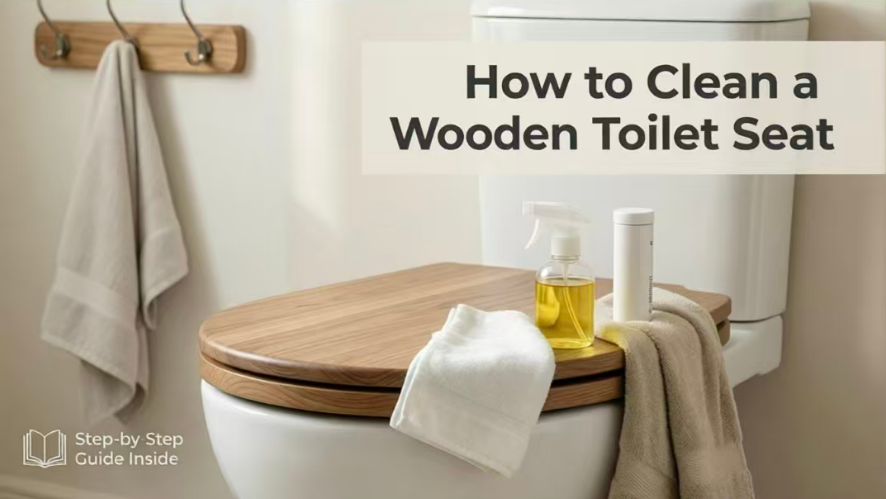
How to Clean a Wooden Toilet Seat (Without Damaging It)
Wooden toilet seats add a warm, solid feel to your bathroom. They look more classic and substantial than plastic seats, and many people love their smooth, finished surface.
But when it comes to cleaning, wooden toilet seats need a little extra care.
Compared to plastic toilet seats, wooden toilet seats absorb moisture if not properly sealed. Improper cleaning can damage the protective coating, causing discoloration and even shortening the lifespan of the seat.
The good news? Cleaning a wooden toilet seat is simple — as long as you do it the right way.
What You'll Need
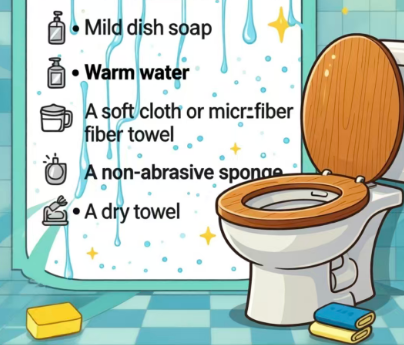
Before you start, gather a few basic items:
- Mild dish soap
- Warm water
- A soft cloth or microfiber towel
- A non-abrasive sponge
- A dry towel
Avoid hars h cleaners like bleach, ammonia, or abrasive scrubbers. These can damage the finish and dull the surface.
Step-by-Step: How to Clean a Wooden Toilet Seat
Step 1: Remove Dust and Debris
Start by wiping the seat with a dry, soft cloth. This removes loose dust and prevents scratching during cleaning.
Step 2: Use a Mild Soap Solution
Mix a small amount of mild dish soap with warm water.
Dip your soft cloth into the solution, wring it out well, and gently wipe the entire seat — top, bottom, and sides.
Important: Do not soak the seat. Too much water is the biggest enemy of wood.
Step 3: Clean Around the Hinges
The hinge area collects dirt and bacteria.
Use a slightly damp cloth to wipe around the hinges carefully. If needed, you can use a small amount of diluted white vinegar to remove stubborn stains—but apply only a small amount and wipe dry immediately.
Make sure no liquid seeps into the hinge joints.
Step 4: Remove Soap Residue
Use a clean, damp cloth (just water) to wipe away any remaining soap.
Leftover residue can leave streaks or dull the finish over time.
Step 5: Dry Thoroughly
This step is crucial.
Use a dry towel to wipe the seat completely. Then leave the lid open for a while to allow air circulation.
Never leave a wooden toilet seat wet.
What NOT to Use on a Wooden Toilet Seat
To protect the finish, avoid:
- Bleach-based cleaners
- Ammonia-based sprays
- Strong disinfectants
- Abrasive powders
- Steel wool or rough scrubbers
These can damage the protective coating, cause cracks, or fade the color.
How Often Should You Clean It?
- Light cleaning: once a week
- Deep cleaning: every 2–4 weeks
- After heavy splashes: dry immediately
Regular, gentle cleaning works much better than aggressive scrubbing once in a while.
Extra Tips to Make It Last Longer
- Keep your bathroom ventilated
- Avoid slamming the lid shut
- Wipe off water spills quickly
- Consider quick-release hinges for easier cleaning
With proper care, a high-quality wooden toilet seat can last for years.
Final Thoughts
Cleaning a wooden toilet seat doesn’t require special tools or expensive products. Just mild soap, a soft cloth, and proper drying.Treat it gently, keep it dry, and it will continue to look smooth and elegant in your bathroom.