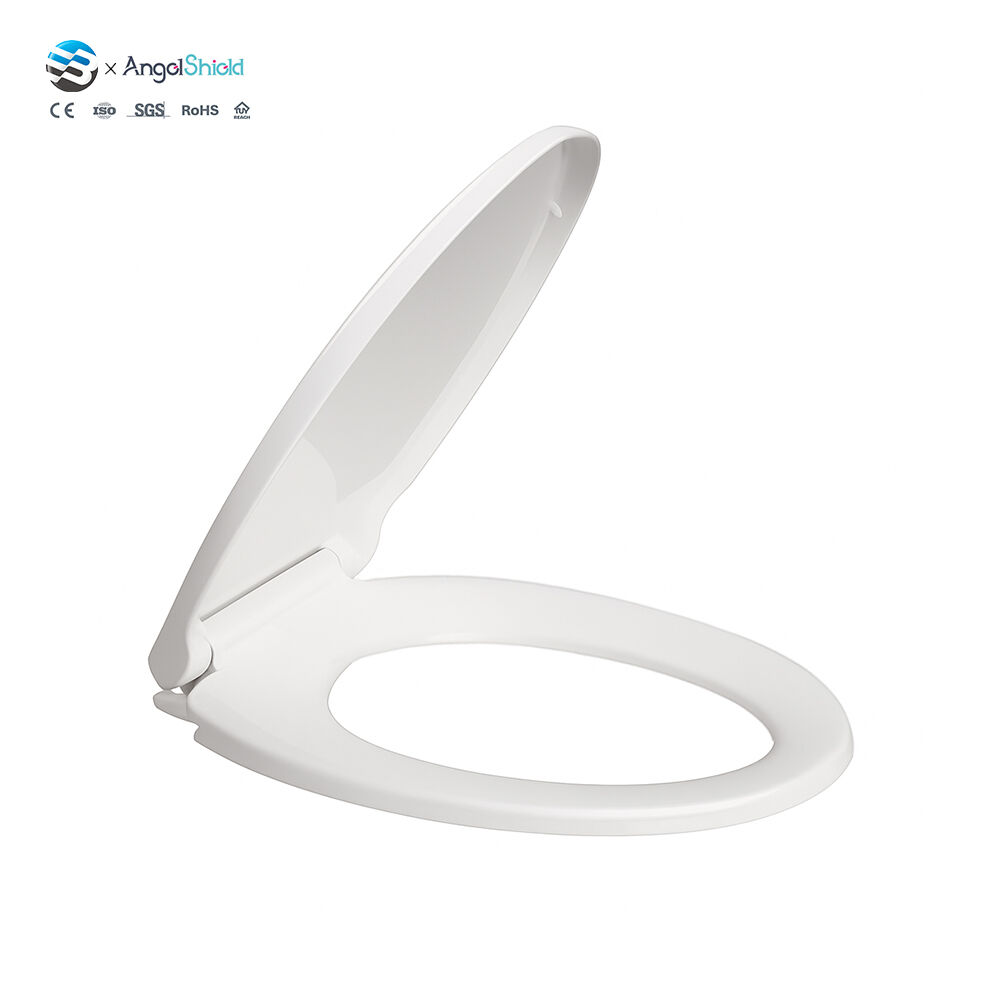
Choosing between plastic and wood toilet seats is one of those decisions that seems minor but can significantly affect daily comfort, bathroom hygiene, and long-term value. Homeowners, facility managers, and interior designers all face this choice when selecting toilet seats for residential or commercial bathrooms. Understanding what each material offers — and where each falls short — makes it much easier to pick the right toilet seats for any setting.
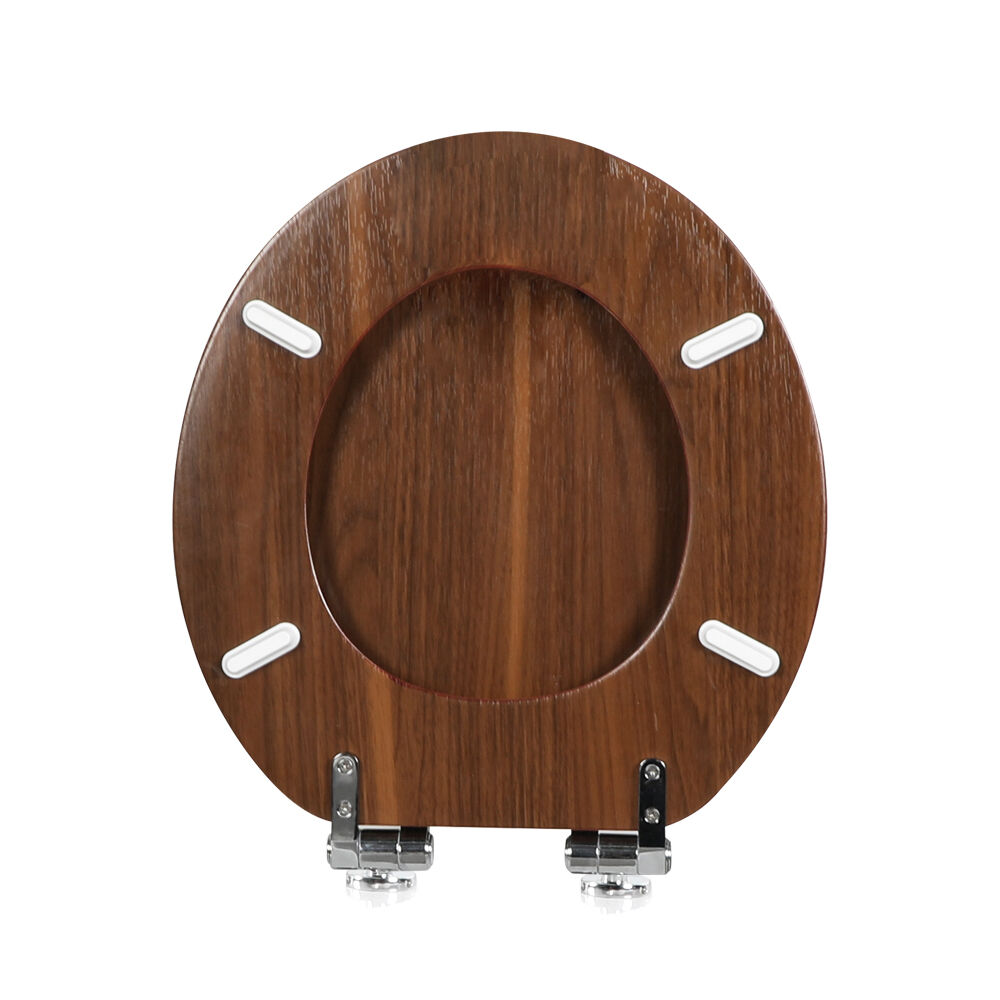
Both plastic and wood toilet seats have loyal followings for good reason. Plastic toilet seats tend to dominate commercial and high-traffic environments, while wood toilet seats are often preferred in upscale residential bathrooms where warmth and aesthetics matter most. Neither material is universally superior — the better choice depends on how you weigh factors like durability, comfort, maintenance, and budget when comparing toilet seats side by side.
Material Properties of Plastic and Wood Toilet Seats
What Plastic Toilet Seats Offer
Plastic toilet seats are the most widely used toilet seats globally, and for good reason. They are lightweight, easy to manufacture, and available in a wide range of colors, shapes, and price points. Most plastic toilet seats are made from polypropylene or thermoplastic materials, which resist moisture exceptionally well. This makes plastic toilet seats highly resistant to staining, warping, and cracking under normal bathroom humidity conditions.
Another key strength of plastic toilet seats is their hygienic surface. The non-porous finish means bacteria and moisture cannot penetrate the material, making plastic toilet seats easier to disinfect thoroughly. For high-traffic commercial bathrooms, hotel restrooms, or healthcare facilities, plastic toilet seats offer a practical, cost-effective, and sanitary solution that holds up under heavy daily use.
What Wood Toilet Seats Offer
Wood toilet seats — particularly those made from MDF or solid wood — bring a level of warmth, weight, and visual richness that plastic toilet seats simply cannot replicate. Wood toilet seats feel solid underfoot and tend to have a more premium, substantial feel when you sit down. This tactile quality is one reason wood toilet seats remain popular in master bathrooms and boutique hotel suites where comfort and aesthetic appeal are priorities.
High-quality toilet seats made from MDF wood are engineered to resist moisture better than traditional solid wood, making them a practical choice for modern bathrooms. These toilet seats are often coated with protective finishes that prevent swelling and surface damage. When properly maintained, MDF wood toilet seats can last just as long as their plastic counterparts while delivering a noticeably more refined look.
Durability and Maintenance Compared
Long-Term Performance of Plastic Toilet Seats
When it comes to durability in demanding conditions, plastic toilet seats have a clear practical edge. Standard plastic toilet seats resist chipping, do not absorb moisture, and are largely unaffected by cleaning chemicals. This means plastic toilet seats maintain their appearance over years of regular use without requiring special treatment or conditioning. For rental properties, commercial buildings, or any setting where toilet seats face heavy use, the low maintenance requirement of plastic toilet seats is a significant advantage.
However, not all plastic toilet seats are equal in durability. Thin, low-grade plastic toilet seats can crack under repeated stress, fade under UV exposure, or yellow over time. Investing in thicker, higher-density plastic toilet seats reduces these risks considerably and extends the useful life of the product.
Long-Term Performance of Wood Toilet Seats
Wood toilet seats require slightly more attention to maintain their condition over time. In bathrooms with poor ventilation or consistently high humidity, lower-quality wood toilet seats may be more susceptible to swelling or surface finish deterioration. This is why the finishing quality on wood toilet seats matters enormously. Well-coated wood toilet seats, especially those using MDF construction, perform reliably in normal bathroom environments and resist common sources of damage effectively.
One practical consideration is that wood toilet seats are generally heavier than plastic toilet seats. This weight contributes to their premium feel but can also place more stress on hinges over time. Choosing wood toilet seats with high-quality hinge hardware ensures a longer service life and reduces the risk of loose or misaligned toilet seats after extended use.
Comfort, Aesthetics, and Value Decisions
Comfort Differences Between Toilet Seats
Comfort is a surprisingly important criterion when comparing toilet seats. Wood toilet seats are generally warmer to the touch than plastic toilet seats, which can feel cold in cooler environments or during winter months. This thermal quality alone leads many buyers to prefer wood toilet seats for primary bathrooms used by family members. Plastic toilet seats, being thinner and more conductive, can feel noticeably cooler and harder in comparison.
That said, some premium plastic toilet seats are designed with ergonomic shaping and additional thickness that narrows the comfort gap significantly. Soft-close mechanisms are now widely available on both plastic and wood toilet seats, reducing noise and improving daily usability across both material categories.
Matching Toilet Seats to Bathroom Style and Budget
Aesthetically, wood toilet seats tend to suit traditional, transitional, or warm contemporary bathroom designs, while plastic toilet seats fit cleanly into modern, minimalist, or utilitarian spaces. If your bathroom features natural stone, warm wood cabinetry, or rich tile work, wood toilet seats are likely to enhance the overall look more effectively. If your bathroom has clean lines, white fixtures, and a clinical modern feel, plastic toilet seats may be the more cohesive choice.
Budget also plays a role in deciding between toilet seats. Plastic toilet seats are generally less expensive, making them cost-effective for multi-bathroom properties or frequent replacements. Premium wood toilet seats cost more upfront but can elevate the perceived quality of an entire bathroom. For B2B buyers sourcing toilet seats in bulk, balancing unit cost, durability, and aesthetic suitability is the central challenge when specifying toilet seats for large-scale projects.
FAQ
Are wood toilet seats more hygienic than plastic toilet seats?
Plastic toilet seats are generally considered more hygienic because their non-porous surface resists bacterial penetration and is easier to disinfect thoroughly. High-quality wood toilet seats with sealed coatings can also maintain good hygiene, but plastic toilet seats have a practical advantage in high-use or clinical environments where sanitization is a top priority.
Do wood toilet seats crack or warp over time?
Lower-quality wood toilet seats can warp or crack when exposed to prolonged moisture or poor ventilation. However, MDF wood toilet seats with proper protective coatings are engineered to resist these issues effectively. Choosing toilet seats made from engineered wood with quality finishes significantly reduces the risk of moisture-related damage in normal bathroom conditions.
Which toilet seats are better for a luxury bathroom renovation?
For luxury bathroom renovations, wood toilet seats are typically the preferred choice because of their warmth, weight, and premium visual appeal. MDF wood toilet seats in particular offer a refined look while remaining practical and durable. Plastic toilet seats can also work in high-end settings when they feature advanced designs, soft-close mechanisms, and superior build quality tailored to match upscale interiors.