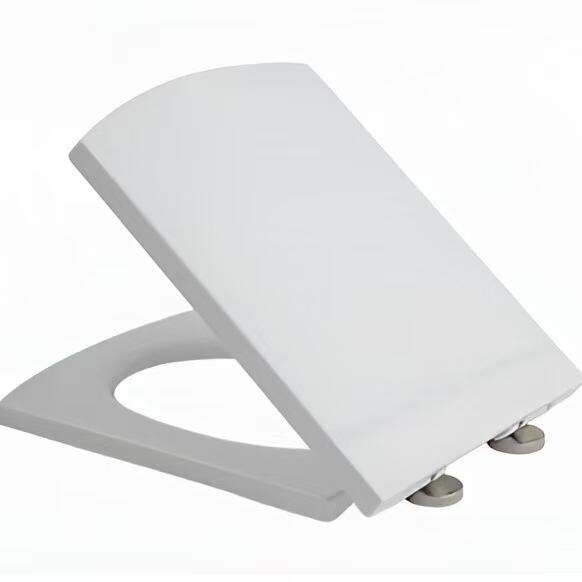
Choosing the right toilet seat material is one of the most practical decisions a homeowner, facility manager, or bathroom designer will face. The debate between a plastic toilet seat and a wood toilet seat has continued for decades, and for good reason — each material offers a distinct set of benefits and drawbacks that suit different priorities, budgets, and bathroom environments. Understanding those differences clearly is the first step toward making a confident decision.
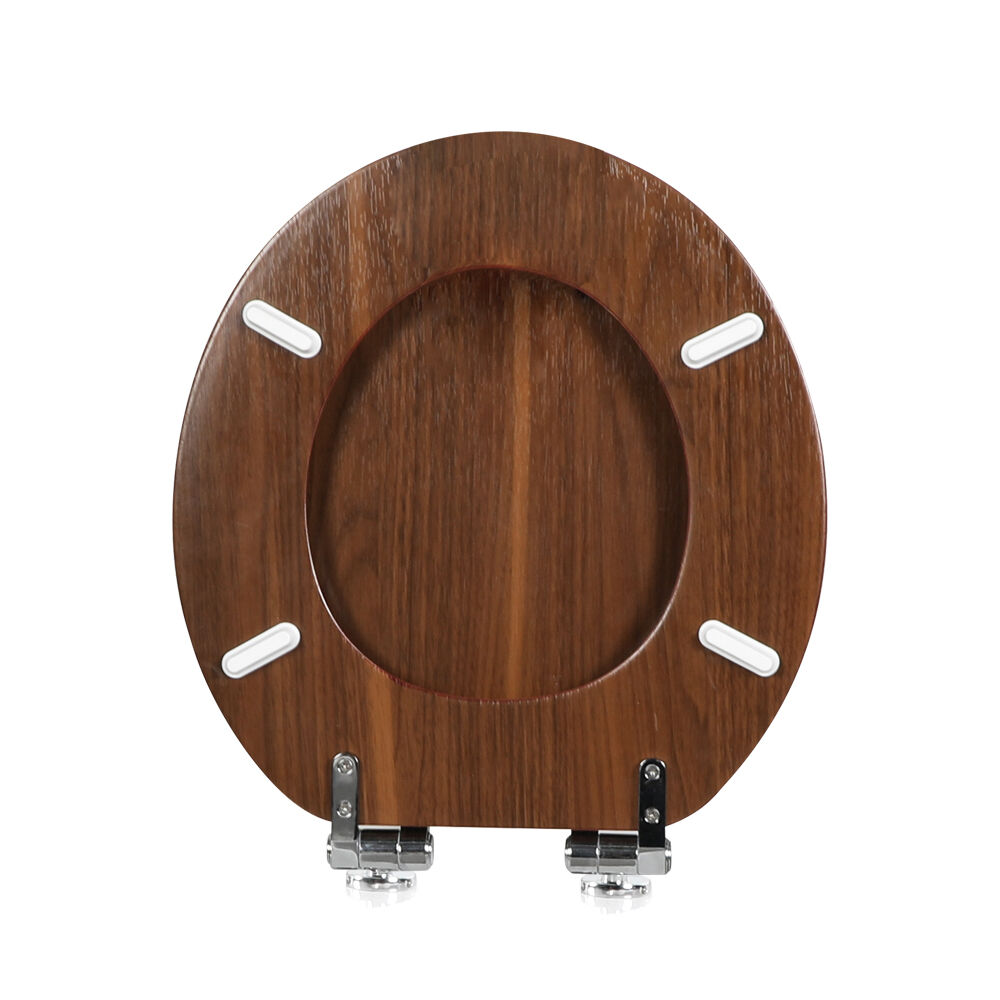
This article compares plastic and wood toilet seat options across the factors that matter most — durability, hygiene, comfort, aesthetics, and cost. Whether you are outfitting a family bathroom, a commercial restroom, or a premium hotel suite, understanding how each toilet seat material performs in real conditions will help you select the option that fits your specific needs.
Durability and Longevity of Each Toilet Seat Type
How a Plastic Toilet Seat Holds Up Over Time
A plastic toilet seat is widely valued for its resistance to moisture, humidity, and everyday wear. Most plastic toilet seat products are made from polypropylene or thermoplastic resin, which means they do not crack under standard household weight limits and are unlikely to warp when exposed to steam or condensation. A plastic toilet seat is also resistant to most standard cleaning chemicals, making it easy to sanitize without risk of surface degradation. In high-traffic commercial environments, a plastic toilet seat tends to outlast wood alternatives simply because it handles repeated cleaning cycles and heavy use more consistently.
How a Wood Toilet Seat Performs Under Daily Use
A wood toilet seat, particularly those made from MDF or solid wood composites, offers impressive structural strength and a premium feel. However, a wood toilet seat is more susceptible to swelling, cracking, or warping if moisture penetrates its surface coating. The quality of the finish applied to a wood toilet seat is critical — a well-sealed wood toilet seat can last many years without visible deterioration, while a poorly finished wood toilet seat may show signs of wear relatively quickly. For dry, well-ventilated bathrooms, a wood toilet seat performs excellently. For bathrooms with heavy humidity or frequent splashing, protective sealing becomes essential for any wood toilet seat.
Hygiene and Maintenance Differences
Keeping a Plastic Toilet Seat Clean
From a hygiene standpoint, a plastic toilet seat offers a clear advantage in ease of cleaning. The non-porous surface of a plastic toilet seat does not absorb moisture, bacteria, or odors, which means routine wiping is typically sufficient to maintain a clean toilet seat. A plastic toilet seat is compatible with a wide range of disinfectants, including bleach-based solutions, without risking discoloration or surface damage. For families with young children, elderly users, or for commercial restrooms requiring strict hygiene standards, a plastic toilet seat is often the preferred choice because maintenance is straightforward and consistent.
Maintaining a Wood Toilet Seat Over Time
A wood toilet seat requires more careful maintenance than its plastic counterpart. Because wood is a porous material at its core, even a coated wood toilet seat can harbor bacteria in micro-scratches or areas where the sealant has degraded. Regular inspection of a wood toilet seat for chips, cracks, or peeling finish is important to preserve both hygiene and appearance. When the protective coating of a wood toilet seat remains intact, cleaning is manageable with mild soap and warm water. Harsh chemicals, however, should be avoided on a wood toilet seat as they can strip the finish and accelerate deterioration. Gentle, consistent care is the key to keeping a wood toilet seat both sanitary and visually appealing.
Comfort, Aesthetics, and Cost Comparison
Comfort and Feel of Plastic vs Wood Toilet Seat
When it comes to physical comfort, a wood toilet seat has a noticeable advantage in temperature and tactile feel. A plastic toilet seat can feel cold and hard, especially in colder climates or during winter months, which some users find uncomfortable. In contrast, a wood toilet seat retains ambient heat and provides a slightly warmer sitting surface, which many users find more pleasant during extended use. The weight of a wood toilet seat also contributes to a sense of solidity and quality that a standard plastic toilet seat may not replicate. For users prioritizing comfort in a private, residential bathroom, the feel of a wood toilet seat is often the deciding factor.
Aesthetic Value and Price Considerations
Aesthetically, a wood toilet seat lends a natural, upscale look that complements traditional, rustic, or premium bathroom designs. The warm tones of a wood toilet seat integrate well with wooden cabinetry, warm tile work, and classic fixture styles. A plastic toilet seat, while available in many colors and styles, is generally associated with a more utilitarian appearance. That said, modern molded plastic toilet seat designs have improved considerably and can appear sleek in contemporary or minimalist bathroom settings. In terms of cost, a plastic toilet seat is typically more affordable upfront, whereas a high-quality wood toilet seat involves a higher initial investment. However, a well-maintained wood toilet seat can deliver lasting value, making the cost difference less significant over time.
FAQ
Which toilet seat is more hygienic — plastic or wood?
A plastic toilet seat is generally considered more hygienic because its non-porous surface resists moisture and bacteria absorption. A wood toilet seat can be equally hygienic if the protective coating remains undamaged, but it requires more careful maintenance to achieve the same standard of cleanliness as a plastic toilet seat.
Can a wood toilet seat be used in a humid bathroom?
Yes, a wood toilet seat can be used in a humid bathroom, provided it carries a high-quality moisture-resistant coating or finish. Without adequate sealing, a wood toilet seat may absorb moisture over time, leading to warping or cracking. Choosing a properly sealed wood toilet seat and ensuring good ventilation in the bathroom will significantly extend its service life.
Is a plastic toilet seat or wood toilet seat better for commercial use?
For commercial use, a plastic toilet seat is typically the preferred option due to its durability, resistance to heavy cleaning chemicals, and lower replacement cost. A wood toilet seat is better suited for residential or hospitality settings where aesthetics and comfort are prioritized. In high-traffic environments, the practicality of a plastic toilet seat generally outweighs the aesthetic advantages of a wood toilet seat.