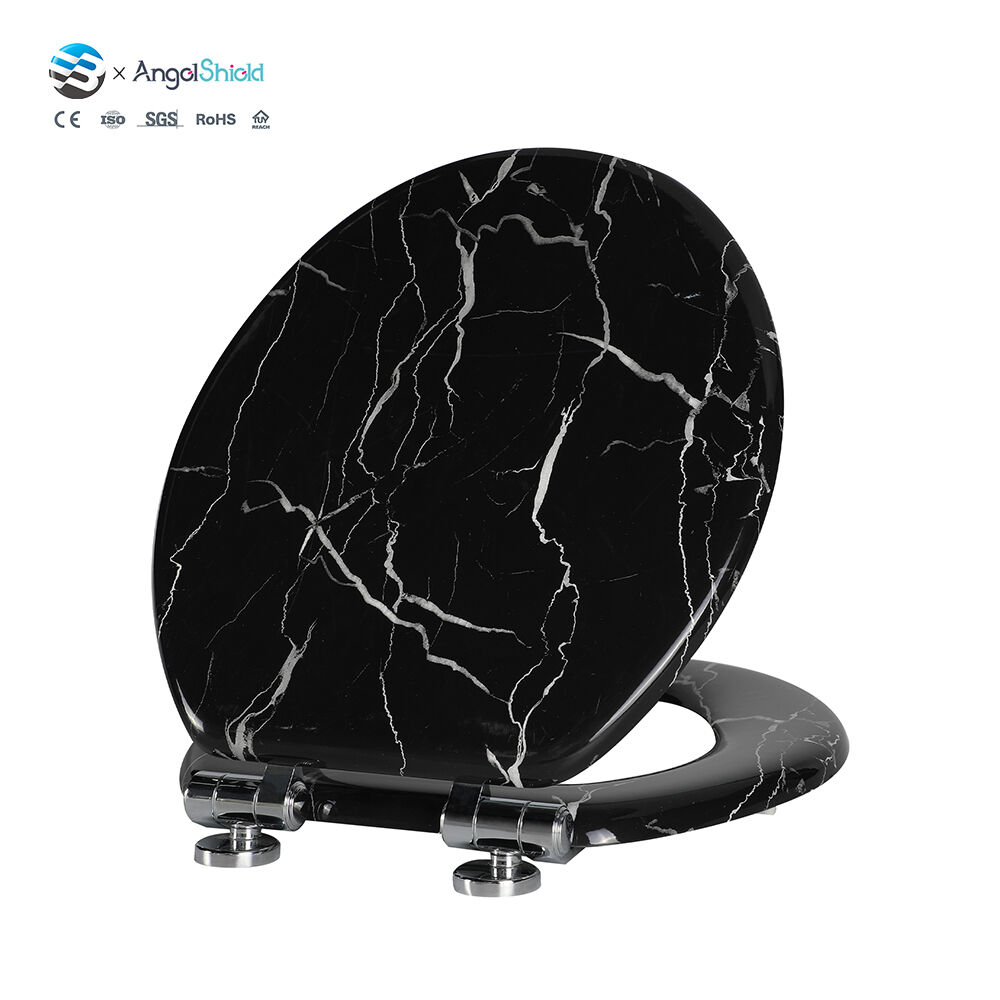
A wood toilet seat adds warmth and a natural aesthetic to any bathroom, but it also requires specific care to stay clean and long-lasting. Unlike plastic seats, a wood toilet seat is more sensitive to moisture, harsh chemicals, and abrasive scrubbing. Understanding the right cleaning approach helps you protect the finish, prevent warping, and maintain a hygienic surface that looks as good as the day you installed it.
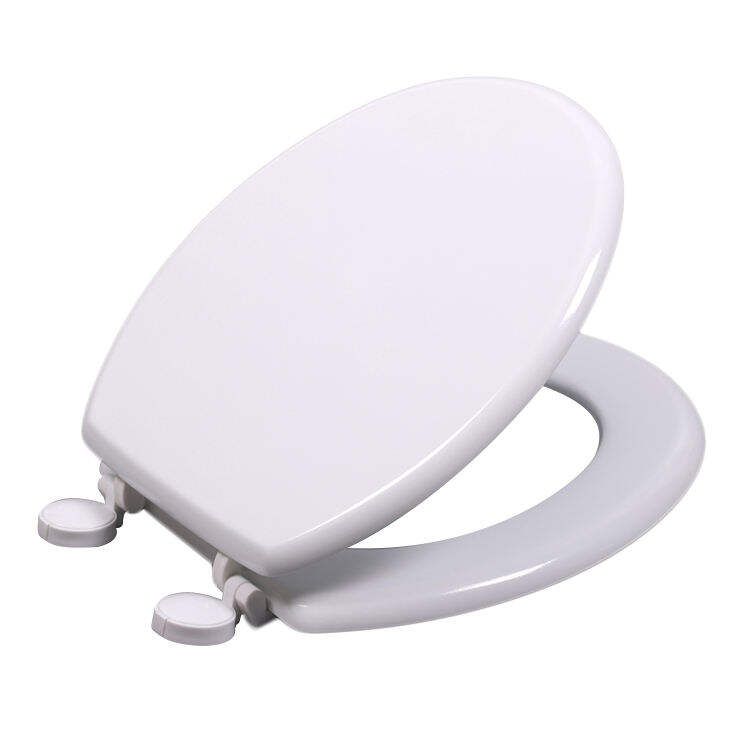
Cleaning a wood toilet seat correctly is not complicated, but it does require attention to the materials you use and how you apply them. Many common bathroom cleaners contain bleach, ammonia, or acidic compounds that can strip the protective coating from a wood toilet seat over time. This guide walks you through a safe, effective routine to keep your wood toilet seat spotless, odor-free, and structurally sound for years of reliable use.
Everyday Cleaning Routine for a Wood Toilet Seat
Choosing the Right Cleaning Solution
The most important step when you clean a wood toilet seat is selecting a gentle, pH-neutral cleaner. Mild dish soap diluted in warm water is one of the safest and most effective solutions for a wood toilet seat. Avoid spray cleaners that contain bleach, vinegar at full concentration, or abrasive powders, as these can damage the sealed surface of a wood toilet seat. A small amount of gentle soap on a soft cloth is all you need to remove everyday grime from your wood toilet seat without harming its finish.
If you prefer a dedicated bathroom cleaner, look for products labeled as safe for finished wood surfaces. Always test any new cleaner on an inconspicuous area of the wood toilet seat first. This simple precaution helps you confirm that the product will not discolor or dull the protective coating of your wood toilet seat before applying it to the entire surface.
The Proper Wiping Technique
When cleaning a wood toilet seat, always use a soft microfiber cloth or a non-scratch sponge. Dampen the cloth with your chosen solution and wipe the top, underside, and edges of the wood toilet seat thoroughly. Pay special attention to the hinge area of the wood toilet seat, where moisture and residue tend to accumulate. After cleaning, immediately dry the wood toilet seat with a clean, dry cloth to prevent prolonged moisture exposure, which is the leading cause of swelling and finish damage on any wood toilet seat.
Tackling Stains and Stubborn Buildup on a Wood Toilet Seat
Removing Hard Water Stains
Hard water stains are a common challenge for any wood toilet seat, especially in areas with high mineral content in the water supply. To address these stains on a wood toilet seat, mix a small amount of baking soda with water to form a gentle paste. Apply the paste to the stained area of the wood toilet seat using a soft cloth, let it sit for two to three minutes, and then wipe it away with a damp cloth. Rinse the wood toilet seat surface thoroughly and dry it immediately. This mild abrasive method lifts mineral deposits without scratching or stripping the sealed finish of your wood toilet seat.
Addressing Discoloration and Odors
Over time, a wood toilet seat may develop slight discoloration or trap odors if not cleaned consistently. A diluted solution of white vinegar mixed in equal parts with water can be used sparingly on a wood toilet seat to neutralize odors. However, do not soak the wood toilet seat in vinegar or leave the solution on for extended periods, as prolonged acid exposure can dull the finish. After applying the diluted vinegar to the wood toilet seat, wipe it clean with a damp cloth and dry it fully within a few minutes. Regular cleaning prevents discoloration from becoming a persistent problem on your wood toilet seat.
For stubborn biological stains on a wood toilet seat, a small amount of hydrogen peroxide at a three percent concentration can be applied gently with a cloth. This works as a mild sanitizer suitable for a wood toilet seat without the harsh damage caused by bleach-based products. Always follow up with a thorough rinse and dry cycle on your wood toilet seat after any stain treatment.
Long-Term Care and Maintenance for a Wood Toilet Seat
Protecting the Finish Over Time
Maintaining the protective coating on a wood toilet seat extends its lifespan significantly. After deep cleaning, consider applying a thin layer of furniture wax or a wood-safe sealant to the exterior surfaces of the wood toilet seat. This protective layer creates a barrier against moisture, bacteria, and staining agents, keeping the wood toilet seat looking polished and making future cleanings easier. Re-apply this protection every few months depending on how frequently the wood toilet seat is used and cleaned.
Avoid leaving wet items resting on a wood toilet seat, and always ensure the bathroom has adequate ventilation to reduce humidity levels around the wood toilet seat. Excess humidity in an enclosed bathroom can gradually soften the finish and encourage mold growth on the underside of a wood toilet seat. A well-ventilated bathroom paired with a consistent cleaning routine will keep your wood toilet seat in excellent condition for the long term.
When to Replace a Wood Toilet Seat
Even with the best care, a wood toilet seat does not last forever. Signs that it is time to replace your wood toilet seat include deep cracks in the surface, persistent odors that do not respond to cleaning, visible mold inside the structure, or hinges that no longer hold the wood toilet seat securely in position. Choosing a high-quality wood toilet seat with a durable, sealed finish from the start reduces how often replacement becomes necessary. An eco-friendly molded wood toilet seat with a factory-applied protective coating is especially resistant to moisture damage and daily wear.
FAQ
Can I use bleach to clean a wood toilet seat?
No, bleach is not recommended for a wood toilet seat. Bleach is highly corrosive and can strip the protective finish from a wood toilet seat, causing discoloration, cracking, and premature deterioration. Use mild soap and water or a pH-neutral cleaner instead to safely clean your wood toilet seat without causing damage.
How often should I clean a wood toilet seat?
A wood toilet seat should be wiped down with a gentle cleaning solution at least once or twice per week for routine hygiene. A deeper cleaning to address stains, odors, or mineral buildup on the wood toilet seat should be performed once or twice per month depending on usage frequency and household size.
Is a molded wood toilet seat easier to clean than a solid wood toilet seat?
Yes, a molded wood toilet seat generally has a more consistent, factory-sealed surface that resists moisture absorption better than some solid wood toilet seat options. The uniform coating on a molded wood toilet seat makes it easier to wipe clean and less susceptible to staining, making it a practical choice for households that prioritize easy maintenance.