Wooden Toilet: Sustainable, Comfortable & Eco-Friendly Bathroom Solution

wooden toilet

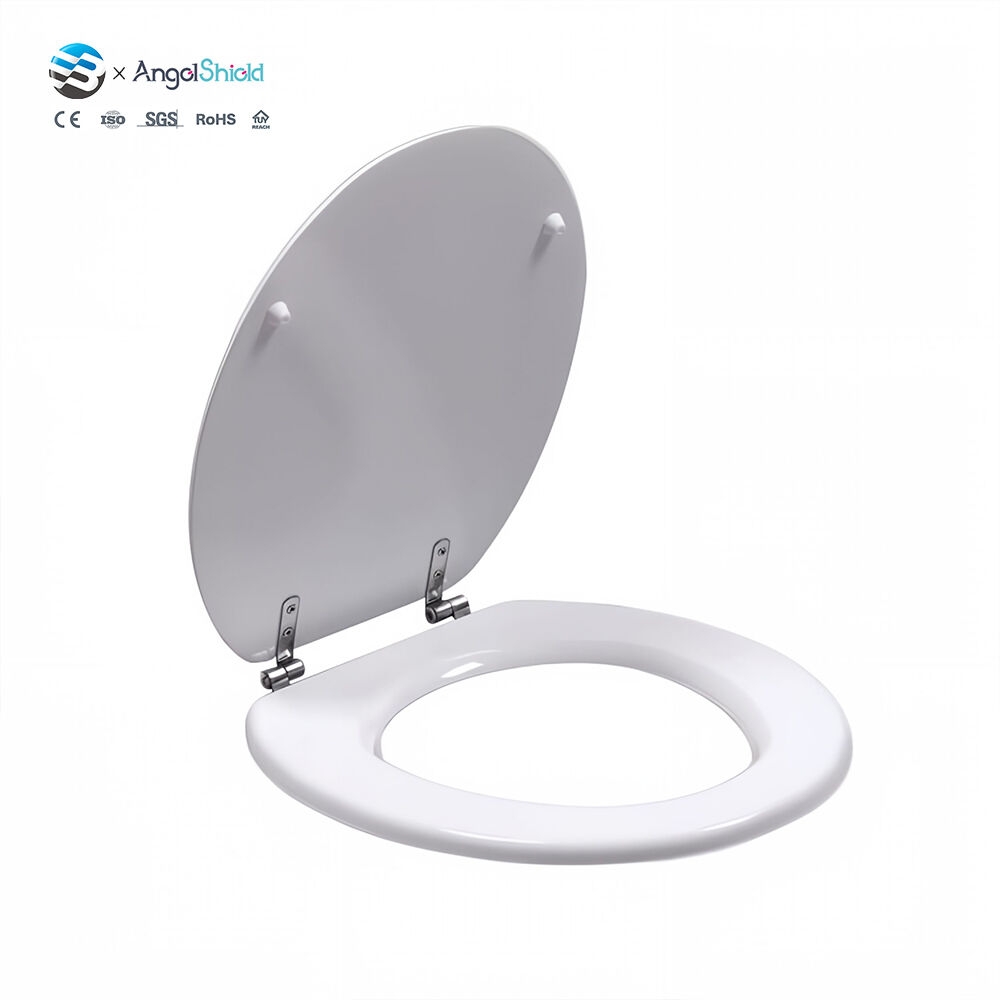
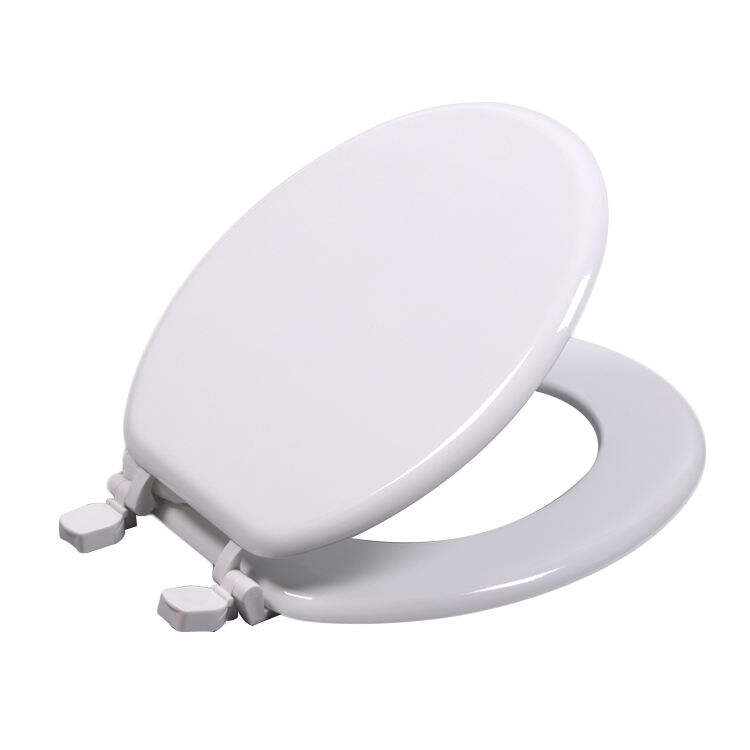
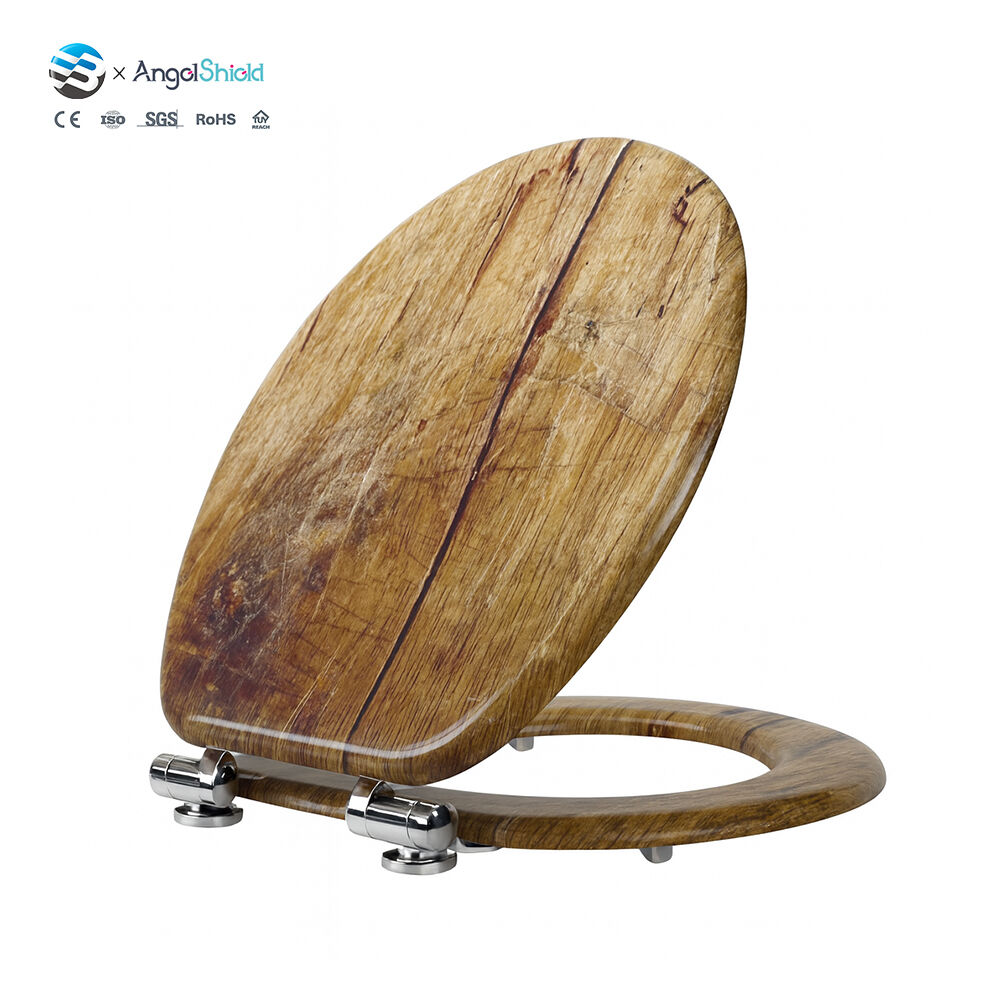
The wooden toilet represents a revolutionary approach to sustainable bathroom design, combining traditional craftsmanship with modern functionality. This eco-friendly sanitation solution utilizes carefully selected hardwood materials, typically cedar, oak, or bamboo, engineered to withstand moisture and daily use while maintaining structural integrity. Unlike conventional ceramic or plastic alternatives, the wooden toilet offers natural antimicrobial properties inherent in certain wood species, contributing to improved hygiene standards. The main functions encompass standard waste collection and disposal, enhanced by innovative drainage systems and specialized treatment chambers. Technological features include precision-cut joints using computer-controlled machinery, ensuring perfect fit and water-tight seals. Advanced wood treatment processes involve multiple coatings of marine-grade sealers, protecting against water damage, bacterial growth, and odor retention. The construction incorporates ergonomic design principles, providing comfortable seating angles and optimal bowl dimensions for user satisfaction. Applications span residential homes, eco-resorts, camping facilities, off-grid cabins, and sustainable building projects where environmental consciousness takes priority. Installation flexibility allows for both traditional plumbing connections and alternative waste management systems, including composting mechanisms and greywater recycling integration. The wooden toilet serves households seeking to reduce their carbon footprint while maintaining modern convenience standards. Manufacturing processes emphasize responsible forestry practices, utilizing renewable timber sources and minimizing waste production. Quality control measures ensure each wooden toilet meets durability benchmarks, with testing protocols evaluating moisture resistance, load capacity, and long-term performance under typical usage conditions. The design philosophy balances aesthetic appeal with practical functionality, creating bathroom fixtures that complement natural interior themes while delivering reliable performance comparable to conventional toilet systems.

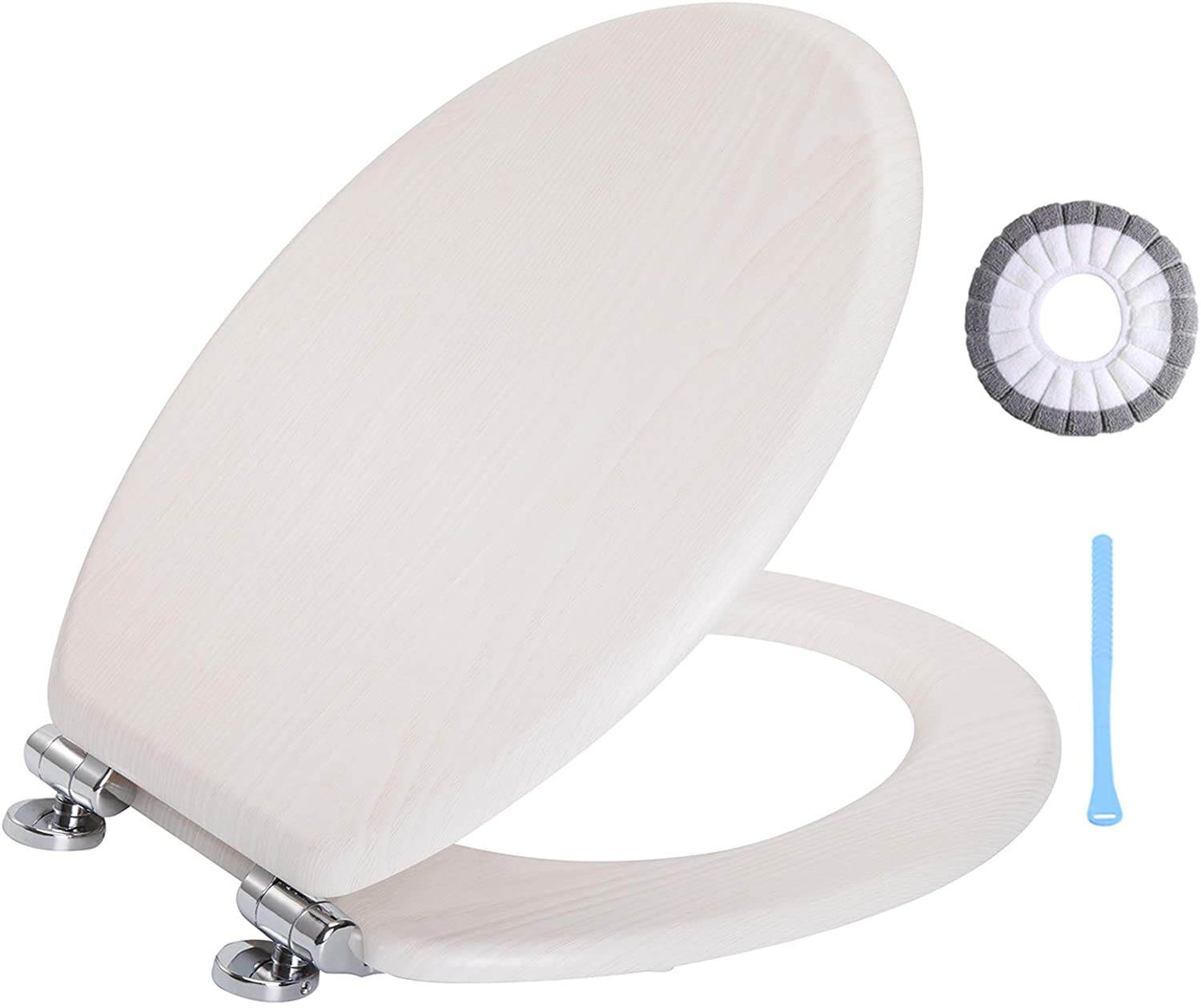
Popular Products

The wooden toilet delivers exceptional environmental benefits that appeal to eco-conscious consumers seeking sustainable bathroom solutions. Wood sourcing from responsibly managed forests ensures renewable material usage, significantly reducing manufacturing carbon emissions compared to energy-intensive ceramic production processes. The natural biodegradability of wood components means end-of-life disposal creates minimal environmental impact, contrasting sharply with non-degradable plastic alternatives that persist in landfills for centuries. Cost savings emerge through reduced manufacturing expenses, as wood processing requires less energy than ceramic firing or plastic molding operations. These production efficiencies translate into competitive pricing for consumers while maintaining premium quality standards. Installation simplicity represents another significant advantage, as wooden toilets weigh considerably less than ceramic counterparts, reducing structural load requirements and simplifying transportation logistics. Standard plumbing connections accommodate existing bathroom infrastructure without extensive modifications, minimizing installation costs and disruption. Maintenance requirements prove remarkably straightforward, with regular cleaning using standard bathroom products sufficient for optimal hygiene preservation. The natural wood surface resists staining better than expected, while periodic resealing every few years maintains protective barriers against moisture penetration. Comfort levels exceed conventional expectations, as wood surfaces remain naturally warm to touch, eliminating the shock of cold ceramic contact during winter months. The inherent insulation properties of wood contribute to improved bathroom comfort throughout seasonal temperature variations. Customization options allow homeowners to select specific wood types, finishes, and design elements that complement existing decor themes, creating personalized bathroom environments impossible with mass-produced ceramic fixtures. Durability testing demonstrates wooden toilets withstand normal usage patterns effectively, with proper maintenance extending service life comparable to traditional toilet installations. Health benefits include natural antimicrobial properties found in certain wood species, potentially reducing bacterial accumulation compared to synthetic materials. Noise reduction represents an unexpected advantage, as wood naturally dampens sound transmission, creating quieter bathroom experiences. Repair accessibility surpasses ceramic alternatives, as wood components allow localized fixes without complete replacement requirements, reducing long-term ownership costs while extending product lifespan through targeted maintenance interventions.

Tips And Tricks

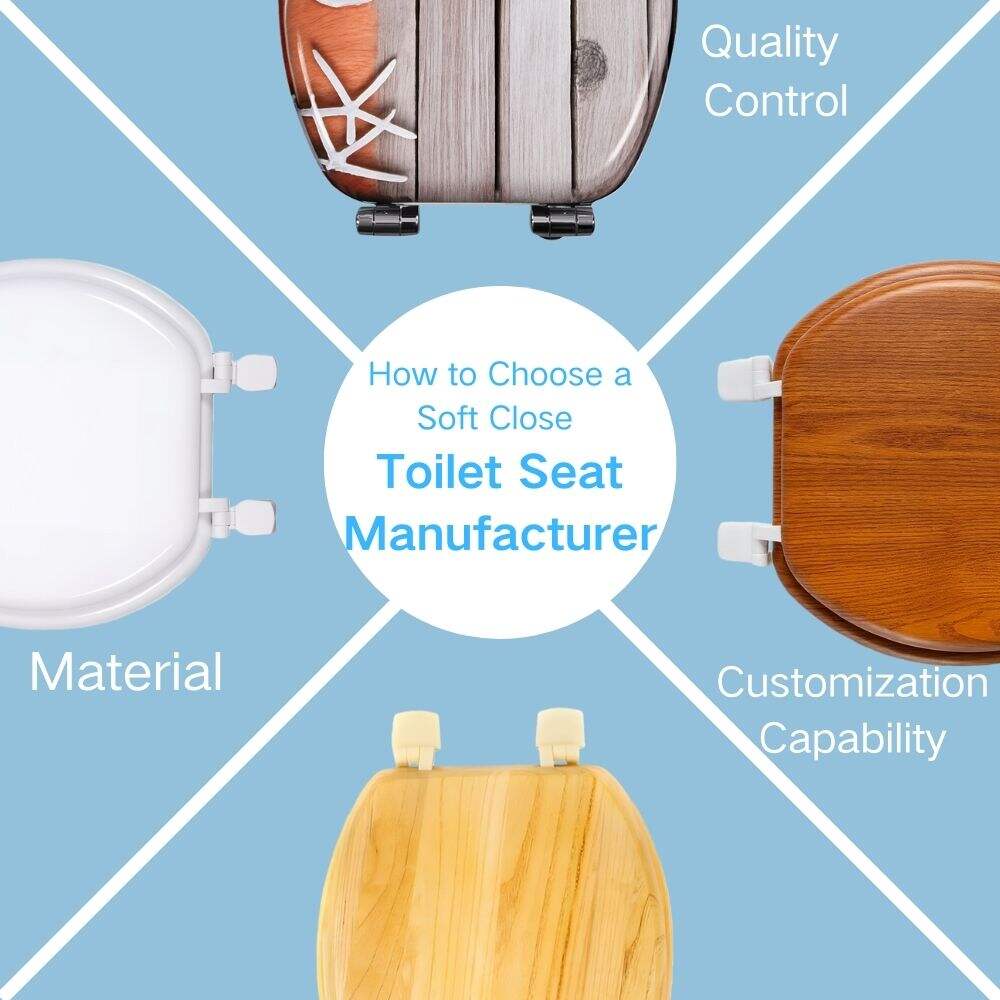
How to Choose a Soft Close Toilet Seat Manufacturer: A Practical OEM Buyer’s Guide

23

Jan

How to Choose a Soft Close Toilet Seat Manufacturer: A Practical OEM Buyer’s Guide

This buyer’s checklist explains how to choose the right soft close toilet seat manufacturer, including quality control, hinge testing, and OEM support.
View More
OEM Soft Close Toilet Seat Manufacturer: Customization, MOQ & Lead Time

23

Jan

OEM Soft Close Toilet Seat Manufacturer: Customization, MOQ & Lead Time

A practical guide to working with an OEM soft close toilet seat manufacturer. Learn about customization options, MOQ requirements, lead time, and production planning.
View More
Replacement Toilet Seat Size Guide: 17”, 18.5” & 19” Explained

13

Jan

Replacement Toilet Seat Size Guide: 17”, 18.5” & 19” Explained

View More
Replacement Toilet Seat OEM Manufacturer & Wholesale Supply Guide

13

Jan

Replacement Toilet Seat OEM Manufacturer & Wholesale Supply Guide

View More

Get a Free Quote

Our representative will contact you soon.
Email
Name
Company Name
Message
0/1000

wooden toilet

Superior Moisture Resistance and Durability Engineering

Superior Moisture Resistance and Durability Engineering

The wooden toilet achieves exceptional moisture resistance through advanced engineering techniques that transform natural wood into a bathroom-ready material capable of withstanding constant exposure to humidity and water. Multiple-layer protection systems begin with deep penetration sealers that saturate wood fibers, creating molecular-level barriers against moisture intrusion. Marine-grade topcoats provide additional defense, utilizing polymer technology originally developed for boat construction where water resistance proves absolutely critical for structural integrity. The treatment process involves vacuum chambers that remove air from wood pores, followed by pressurized sealer injection ensuring complete saturation throughout the material. This comprehensive approach prevents water absorption that typically causes wood swelling, warping, or rot in bathroom environments. Quality assurance testing subjects treated wood samples to accelerated aging protocols, simulating years of bathroom exposure through controlled humidity cycles, temperature variations, and direct water contact. Results demonstrate remarkable stability, with dimensional changes remaining within acceptable tolerances even under extreme conditions. The wooden toilet construction incorporates strategic joint design that accommodates natural wood movement while maintaining water-tight seals, preventing leakage issues common in poorly designed wood fixtures. Reinforcement strategies include internal framework systems using moisture-resistant adhesives and mechanical fasteners engineered for long-term reliability in humid conditions. Regular maintenance requirements remain minimal, typically involving annual inspection and periodic resealing every three to five years, depending on usage frequency and environmental conditions. The durability advantages extend beyond moisture resistance to include impact resistance superior to ceramic alternatives, reducing breakage risks from accidental drops or strikes. Load-bearing capacity testing confirms wooden toilets support standard user weights safely, with safety margins exceeding industry requirements for residential bathroom fixtures. The natural flexibility of wood provides stress distribution benefits unavailable in rigid ceramic construction, contributing to enhanced longevity under normal usage patterns while maintaining structural integrity throughout the product lifecycle.
Exceptional Comfort and Thermal Properties

Exceptional Comfort and Thermal Properties

The wooden toilet provides unmatched user comfort through natural thermal properties that create pleasant bathroom experiences throughout all seasons and weather conditions. Unlike ceramic surfaces that conduct heat rapidly, leaving users uncomfortable during cold weather contact, wood maintains neutral temperatures that feel warm and welcoming to human skin. The cellular structure of wood acts as natural insulation, preventing rapid heat transfer that creates the shocking cold sensation associated with conventional toilet seats and surfaces. This thermal stability proves particularly valuable in unheated bathrooms, guest facilities, or seasonal residences where temperature control may be limited. Scientific testing demonstrates wood surface temperatures remain consistently closer to ambient room temperature, reducing the thermal shock that often discourages bathroom visits during cold periods. The ergonomic advantages extend beyond temperature comfort to include superior surface texture that provides better grip and stability compared to smooth ceramic alternatives. Natural wood grain creates subtle texture variations that enhance user security without compromising cleaning ease or hygiene maintenance. Seat design optimization takes advantage of wood shaping flexibility, allowing curved profiles that conform more naturally to human anatomy than rigid ceramic constraints permit. The inherent dampening properties of wood reduce vibration and noise transmission, creating quieter bathroom environments that respect household privacy and sleeping schedules. Comfort testing involving extended usage periods confirms wooden toilet surfaces maintain comfort levels throughout typical bathroom visits, without pressure points or discomfort associated with harder materials. Customization possibilities allow for personalized comfort features, including contoured seating areas, armrest integration, and height adjustments that accommodate users with mobility challenges or specific physical requirements. The natural antimicrobial properties present in certain wood species contribute to comfort through improved hygiene conditions, potentially reducing bacterial accumulation and associated odor issues. Installation flexibility permits positioning adjustments that optimize user comfort within existing bathroom layouts, while the lighter weight of wooden toilets simplifies repositioning if comfort improvements require fixture relocation after initial installation experiences.
Environmental Sustainability and Carbon Footprint Reduction

Environmental Sustainability and Carbon Footprint Reduction

The wooden toilet represents a significant advancement in environmental sustainability, offering dramatic carbon footprint reduction compared to traditional bathroom fixtures while supporting responsible forest management practices worldwide. Manufacturing processes utilize renewable timber resources harvested from sustainably managed forests, where replanting programs ensure continuous forest regeneration and carbon sequestration benefits that extend far beyond individual product lifecycles. The carbon storage capacity of wood products means each wooden toilet continues sequestering atmospheric carbon throughout its service life, effectively removing greenhouse gases from the environment while providing essential bathroom functionality. Life cycle assessment studies demonstrate wooden toilets require substantially less energy for production compared to ceramic alternatives, which demand high-temperature kiln firing processes that consume enormous amounts of fossil fuels and generate significant manufacturing emissions. Transportation efficiency improves through reduced product weight, allowing more units per shipment and decreasing fuel consumption for delivery logistics throughout the supply chain from manufacturer to end user installation sites. Local sourcing opportunities support regional economies while minimizing transportation distances, further reducing environmental impact through shortened supply chains and supporting community-based forestry operations. The biodegradability advantage ensures end-of-life disposal creates minimal environmental burden, as wood components decompose naturally without persistent pollution concerns associated with synthetic materials that remain in landfills indefinitely. Responsible disposal options include composting programs that convert used wooden toilet components into valuable soil amendments, completing natural recycling cycles that benefit agricultural and landscaping applications. Manufacturing waste streams from wooden toilet production typically consist of sawdust and wood chips suitable for biomass energy generation, creating closed-loop production systems that maximize resource utilization while minimizing waste disposal requirements. Certification programs ensure wood sourcing meets strict environmental standards, providing consumers with verification that their wooden toilet purchase supports sustainable forestry practices and contributes to forest conservation efforts globally. The renewable nature of wood resources contrasts sharply with finite mineral resources required for ceramic production, offering long-term sustainability advantages as global material scarcity concerns continue increasing environmental consciousness among consumers seeking responsible product choices for their homes.

Get a Free Quote

Our representative will contact you soon.
Email
Name
Company Name
Message
0/1000