Natural Wood Construction and Sustainability
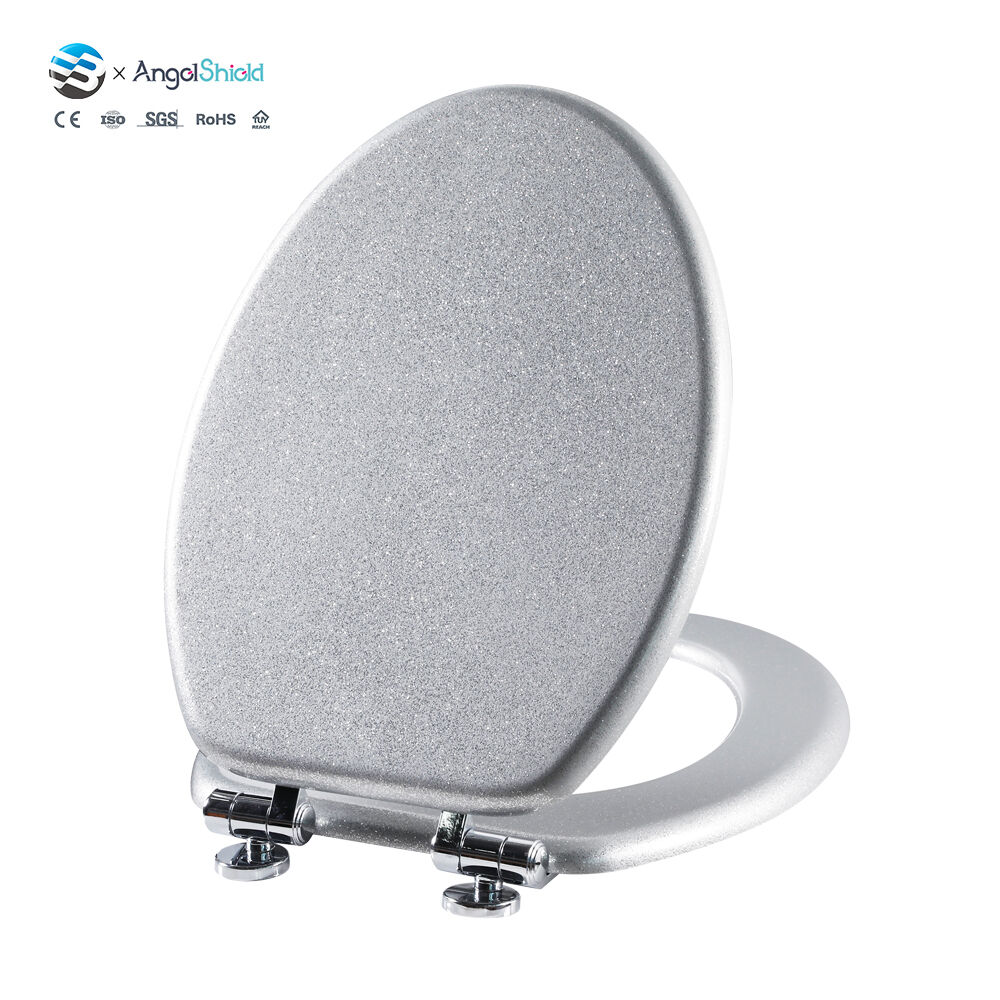
The natural wood construction of a soft close wood toilet seat offers unparalleled environmental benefits and aesthetic appeal that synthetic materials simply cannot match. Premium manufacturers carefully select sustainably harvested hardwoods such as bamboo, which regenerates rapidly, or certified oak and maple from responsibly managed forests, ensuring each soft close wood toilet seat contributes to environmental conservation rather than deforestation. The natural grain patterns inherent in genuine wood make every seat unique, with variations in color, texture, and figuring that create distinctive character impossible to replicate in mass-produced plastic alternatives. Advanced wood treatment processes involve multiple stages of conditioning, sealing, and finishing that enhance the natural properties while providing superior resistance to moisture, temperature fluctuations, and bacterial growth. These treatments penetrate deep into the wood fibers, creating a protective barrier that prevents warping, cracking, or splitting even in high-humidity bathroom environments. The thermal properties of wood provide significant comfort advantages, as the material naturally maintains temperatures closer to ambient room temperature, eliminating the shock of contact with cold surfaces common with ceramic or plastic seats. From a sustainability perspective, the soft close wood toilet seat represents a long-term investment that reduces waste generation, as properly maintained wood seats can last decades while plastic alternatives frequently require replacement due to cracking, fading, or mechanical failure. The biodegradable nature of wood ensures that when eventual replacement becomes necessary, the old seat decomposes naturally rather than contributing to landfill pollution for centuries like synthetic materials. Many wood species used in quality toilet seat construction possess natural antimicrobial properties that inhibit bacterial growth and reduce odors without requiring chemical additives that might off-gas harmful substances into indoor air. The manufacturing process for wooden seats typically requires less energy and produces fewer toxic byproducts compared to plastic production, supporting broader environmental health goals while delivering superior performance and durability in the finished soft close wood toilet seat product.