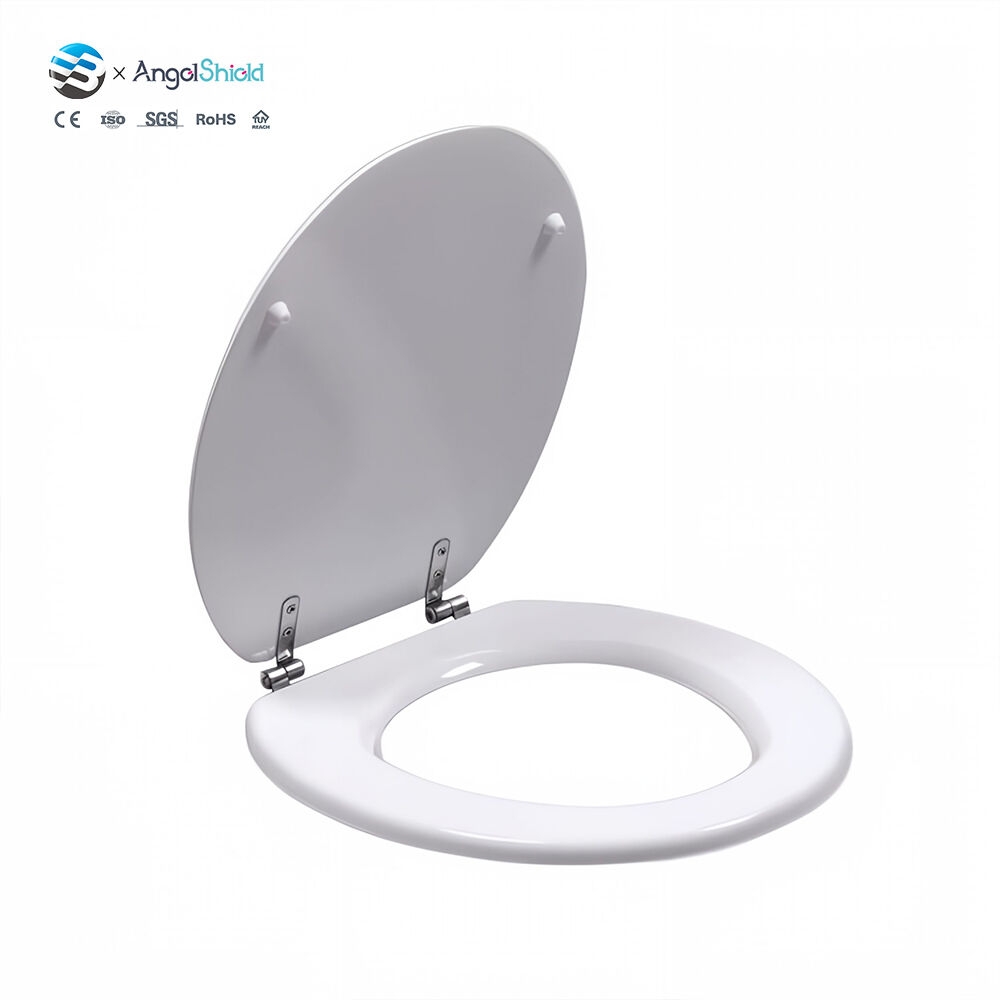
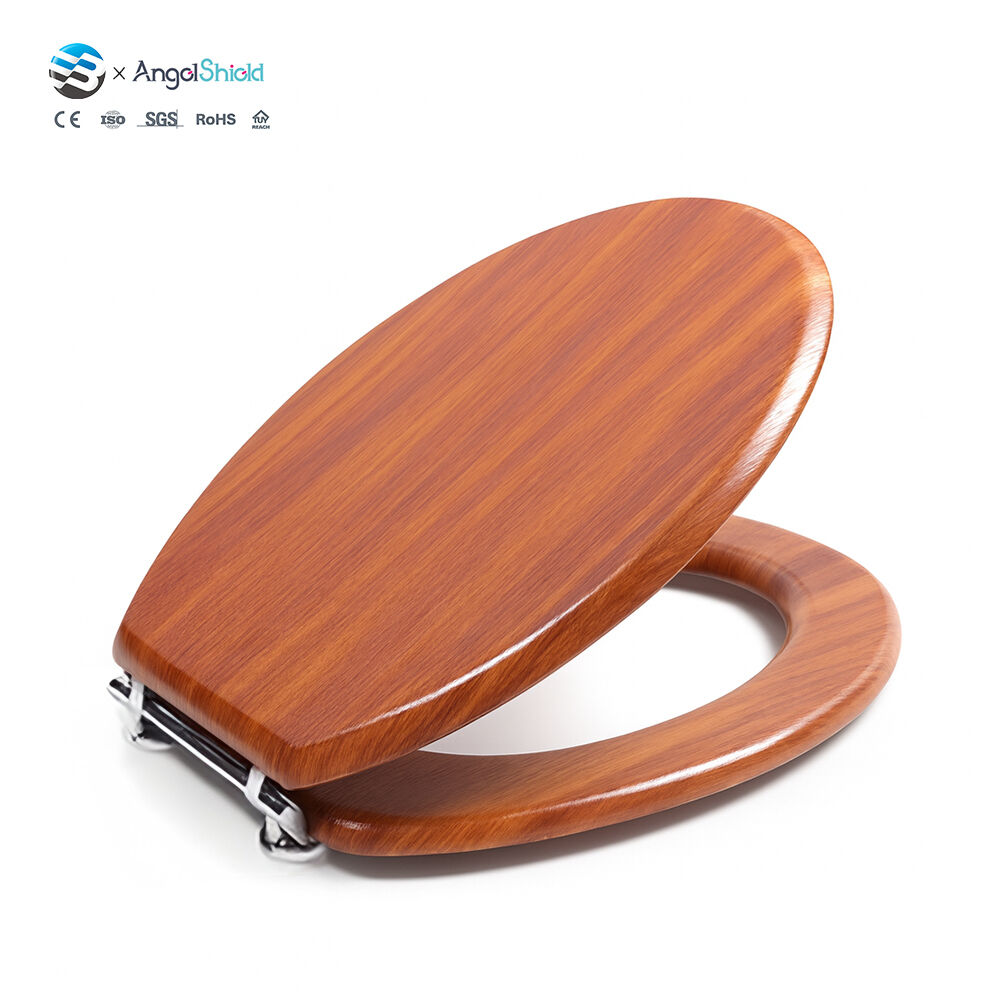
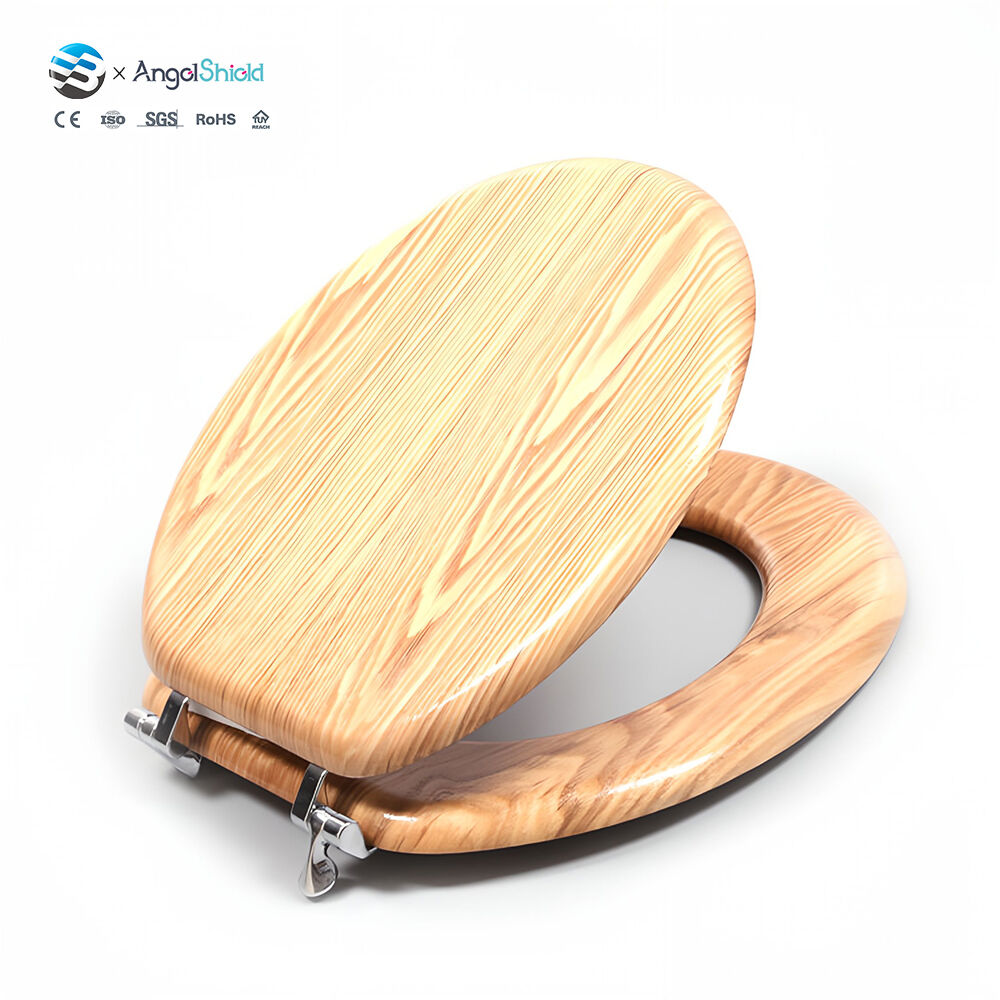
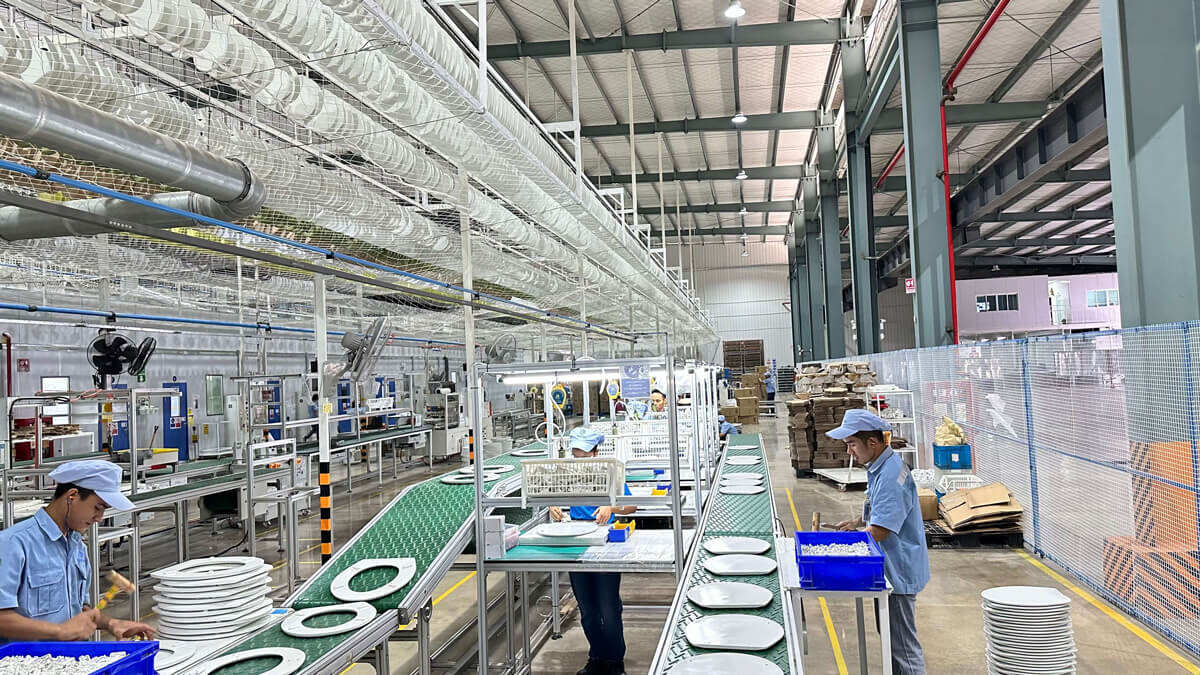
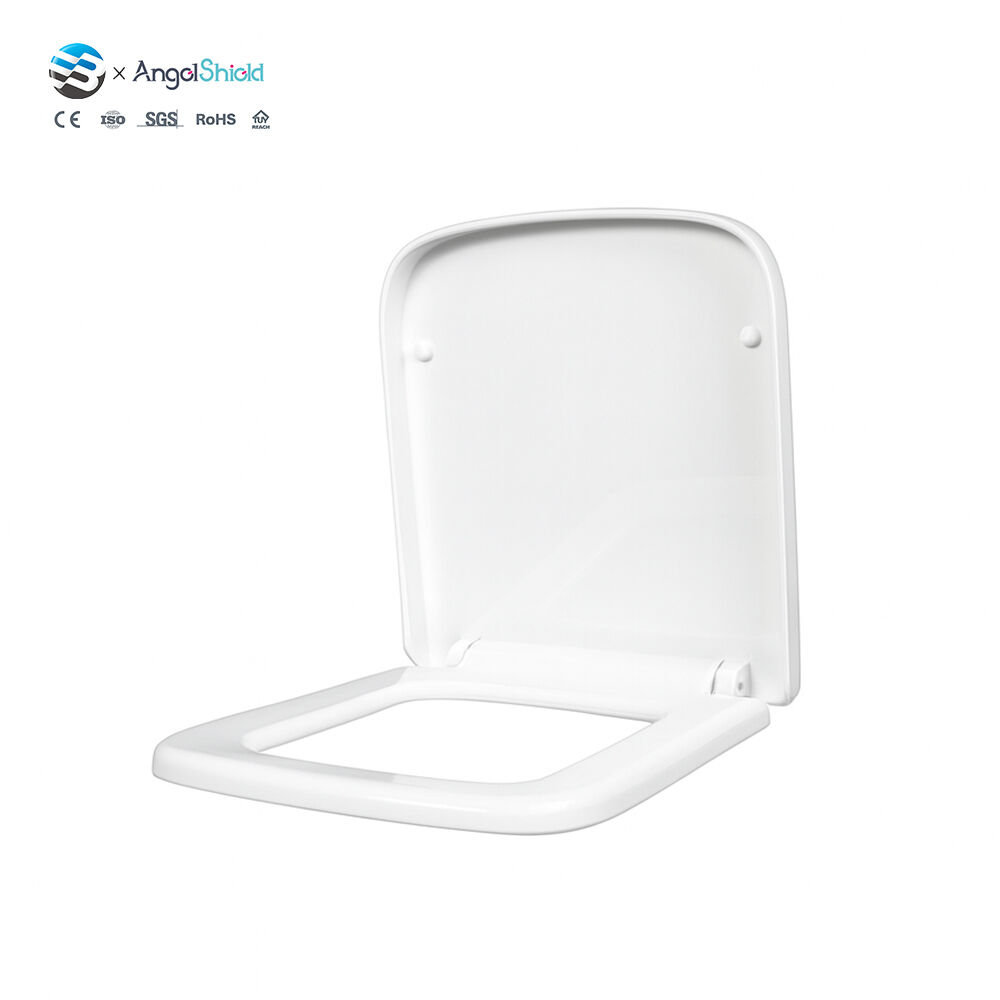
Premium Wood Construction and Finishing
The selection and treatment of wood materials in slow close wooden toilet seats represents a critical factor that determines both performance and longevity, with premium manufacturers employing advanced forestry practices and sophisticated finishing techniques to create products that withstand the challenging bathroom environment. The choice of wood species directly impacts durability, appearance, and resistance to moisture-related problems, with hardwoods like oak, maple, and ash providing superior strength and dimensional stability compared to softwood alternatives. Bamboo has emerged as an increasingly popular option due to its rapid growth rate, natural antimicrobial properties, and exceptional resistance to moisture and bacterial growth. The grain structure of selected woods undergoes careful evaluation to ensure consistent quality and visual appeal, with manufacturers often employing computer-controlled cutting systems to maximize yield from premium lumber while minimizing waste. The seasoning process plays a crucial role in preparing raw wood materials, with properly kiln-dried lumber exhibiting minimal shrinkage and warping after installation. Advanced moisture content control ensures that finished products maintain dimensional stability across varying humidity levels typically encountered in bathroom environments. The finishing process involves multiple carefully applied coats of specialized sealers, stains, and topcoats that penetrate deep into the wood fiber while creating an impermeable surface barrier. Modern finishing systems often incorporate antimicrobial additives that inhibit bacterial and fungal growth, addressing health concerns while extending product lifespan. The curing process for these finishes requires controlled temperature and humidity conditions that allow proper chemical cross-linking, resulting in surfaces that resist scratching, staining, and chemical damage from cleaning products. Quality control measures include rigorous testing of finished surfaces for adhesion, hardness, and chemical resistance, ensuring that products meet stringent durability standards. The environmental impact of wood sourcing has led many manufacturers to pursue certification from sustainable forestry organizations, providing consumers with confidence that their purchases support responsible forest management practices. Advanced CNC machining techniques enable precise shaping and drilling operations that ensure perfect fit and finish while maximizing the natural beauty of wood grain patterns.