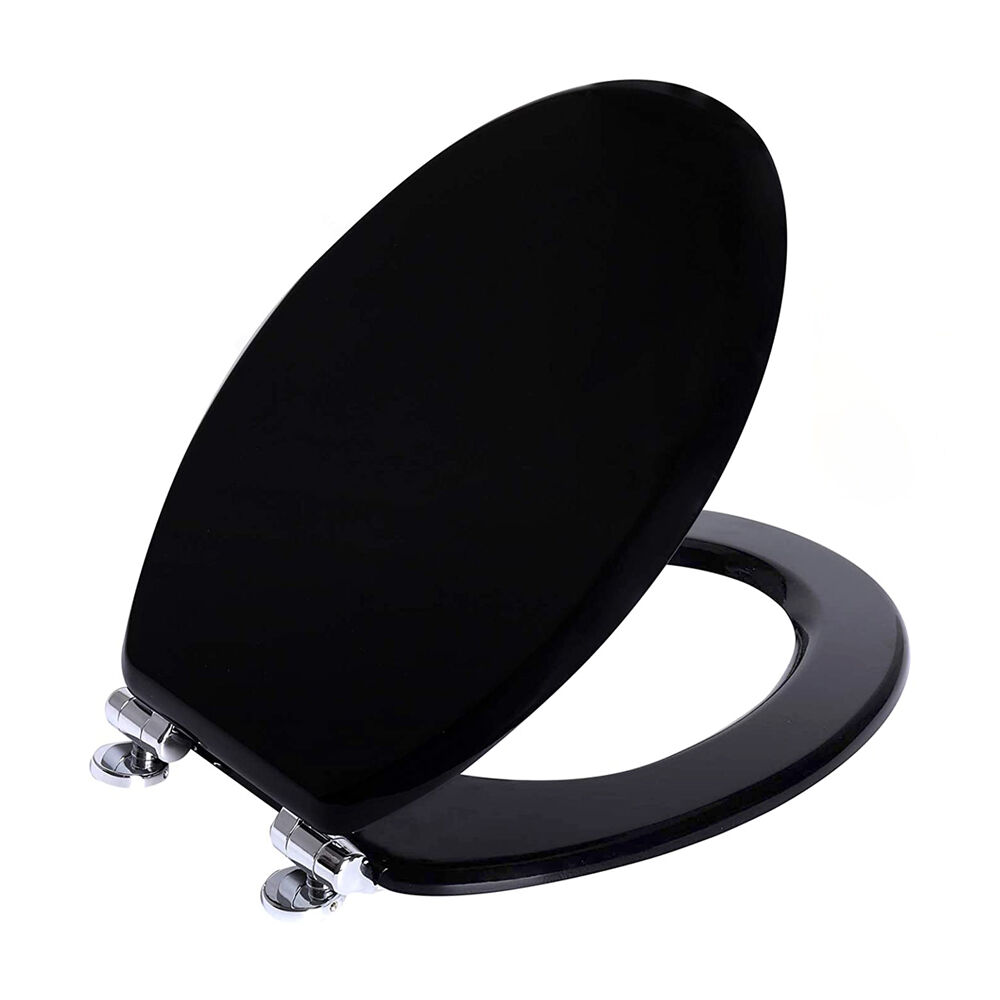
Advanced Hygiene Technology and Antimicrobial Properties
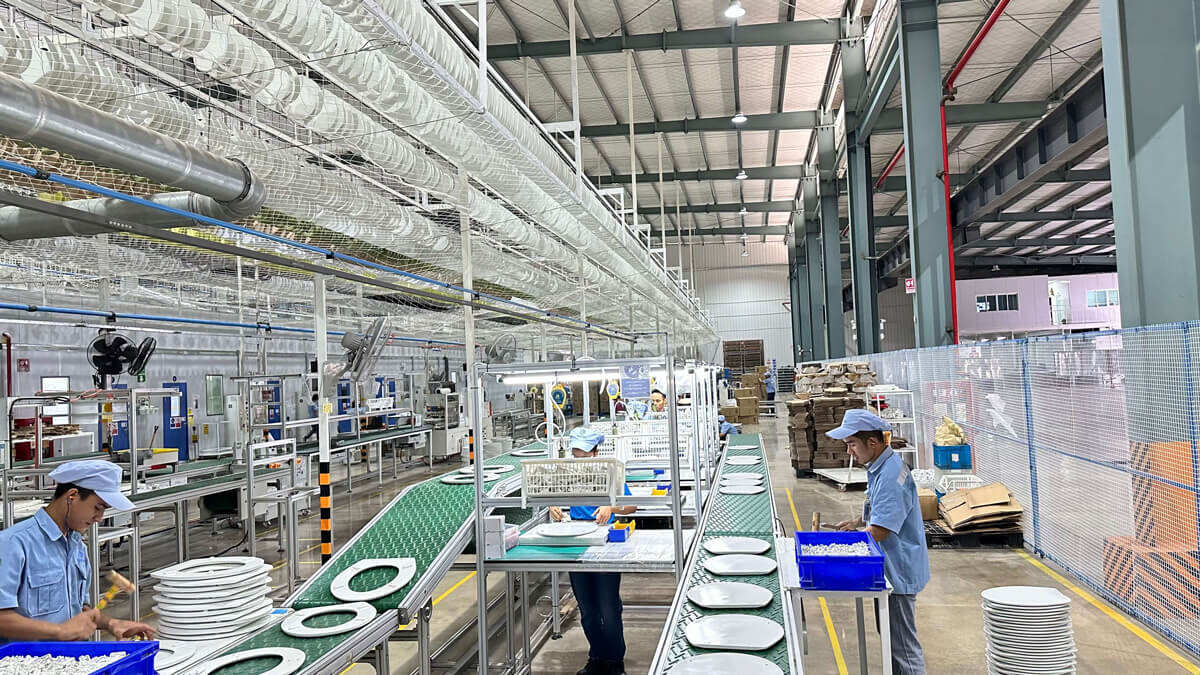
Modern round toilet bowl seat designs incorporate cutting-edge hygiene technologies that actively promote cleanliness and resist harmful bacterial growth through innovative material science and surface treatments. Antimicrobial coatings applied during manufacturing create hostile environments for bacteria, viruses, and other pathogens, significantly reducing the risk of contamination and disease transmission. These protective treatments remain effective throughout the product lifecycle, providing continuous protection without requiring special maintenance procedures or chemical applications. The smooth, non-porous surface construction prevents moisture absorption and bacterial infiltration, making thorough cleaning easier and more effective. Advanced polymer compositions resist staining and odor absorption, maintaining a fresh appearance and pleasant bathroom environment over extended periods. The seamless construction eliminates crevices and gaps where bacteria typically accumulate, reducing hidden contamination sources that traditional cleaning methods cannot reach effectively. Quality round toilet bowl seat models feature quick-release mechanisms that allow complete removal for deep cleaning and sanitization, ensuring comprehensive hygiene maintenance capabilities. The chemical resistance properties enable safe use of standard household disinfectants and cleaning products without surface damage or degradation. Innovative surface textures provide slip resistance while maintaining easy cleaning characteristics, balancing safety considerations with hygiene requirements. The round toilet bowl seat design facilitates air circulation around the toilet area, promoting faster drying and reducing moisture-related bacterial growth. Premium models incorporate self-sanitizing technologies that use natural antimicrobial agents embedded within the material matrix, providing ongoing protection without external chemical treatments. The manufacturing process includes sterilization procedures that eliminate potential contamination sources before product packaging and distribution. Quality control testing verifies antimicrobial effectiveness and ensures consistent hygiene performance across all production units. Regular maintenance remains simple, requiring only standard cleaning procedures to maintain optimal hygiene standards and preserve antimicrobial effectiveness throughout the product lifespan.