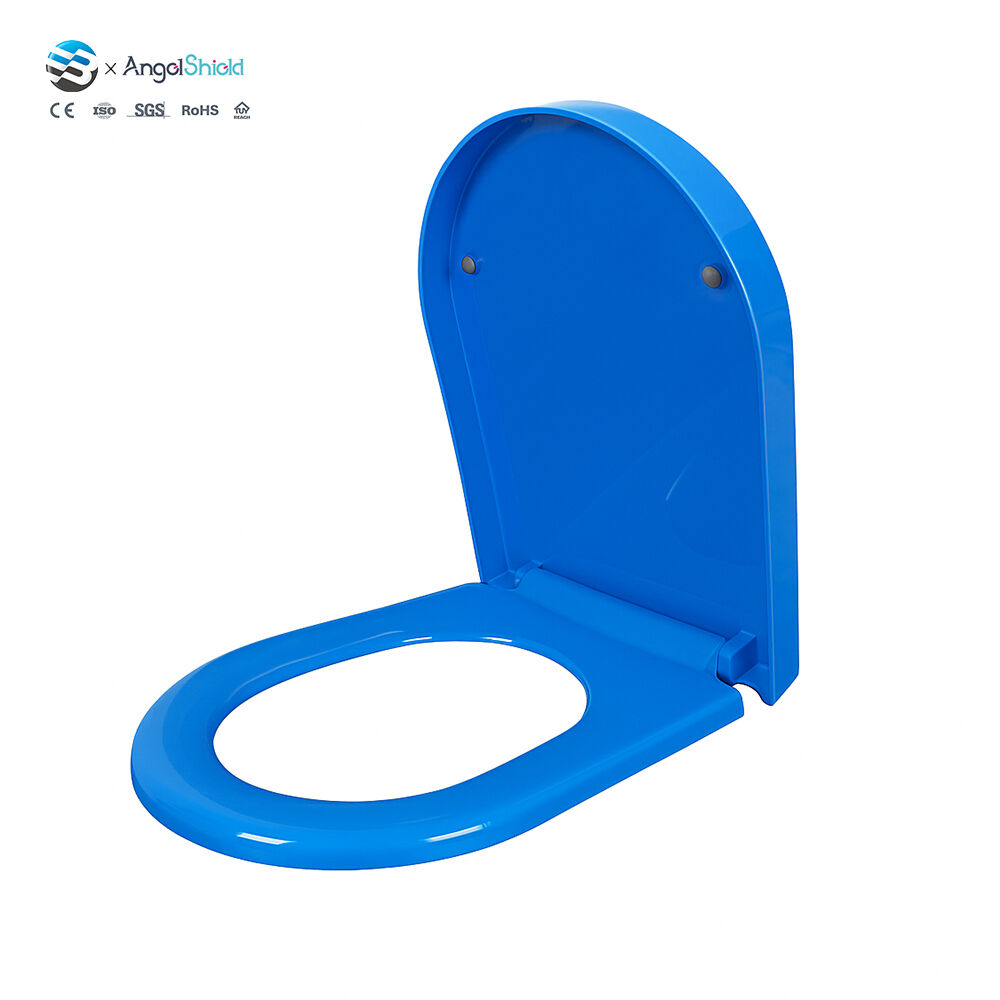
Maintaining proper bathroom hygiene has become increasingly important in modern homes and commercial facilities. A plastic toilet lid serves as a crucial barrier that helps protect users from harmful bacteria and ensures a cleaner restroom environment. Unlike traditional materials, a well-designed plastic toilet lid offers superior durability, easy maintenance, and cost-effective hygiene protection that benefits both residential and commercial applications.
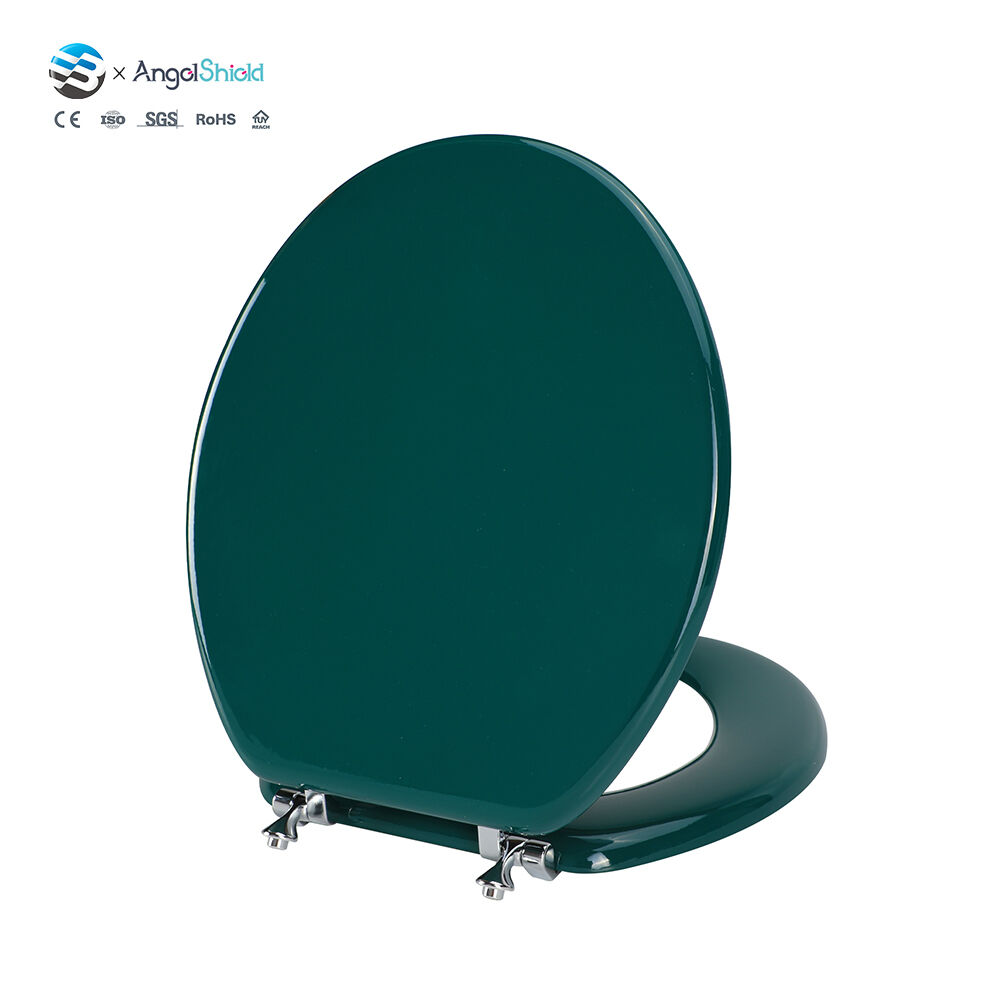
The selection of appropriate toilet seat materials directly impacts the overall sanitation level of any restroom facility. Modern manufacturing techniques have revolutionized how plastic toilet lid products are engineered to meet strict hygiene standards while providing long-lasting performance. These advanced designs incorporate antimicrobial properties and seamless surfaces that prevent bacterial accumulation and facilitate thorough cleaning protocols.
Essential Hygiene Benefits of Modern Plastic Toilet Lids
Bacterial Prevention and Surface Protection
A quality plastic toilet lid creates an effective physical barrier that prevents airborne contaminants from settling on toilet bowl surfaces. When properly closed, this barrier significantly reduces the spread of germs and bacteria throughout the bathroom environment. The smooth, non-porous surface of modern plastic materials makes it difficult for harmful microorganisms to establish colonies, unlike textured or organic materials that may harbor bacteria in microscopic crevices.
Advanced plastic toilet lid designs incorporate antimicrobial additives during the manufacturing process, providing continuous protection against bacterial growth. These specialized compounds remain active throughout the product's lifespan, offering consistent hygiene benefits without requiring special treatments or maintenance procedures. The effectiveness of these antimicrobial properties has been validated through extensive laboratory testing and real-world applications in healthcare facilities.
Easy Cleaning and Maintenance Advantages
The non-porous surface characteristics of a plastic toilet lid make routine cleaning procedures more efficient and effective compared to alternative materials. Standard household disinfectants can be safely used without causing damage or discoloration, ensuring that proper sanitation protocols can be maintained consistently. The smooth surface texture allows cleaning solutions to contact all areas uniformly, eliminating potential hiding spots for bacteria and other contaminants.
Regular maintenance of a plastic toilet lid requires minimal effort while providing maximum hygiene protection. Simple daily cleaning with appropriate disinfectants removes surface contaminants and maintains the antimicrobial properties built into the material. This ease of maintenance makes plastic toilet lid products particularly suitable for high-traffic commercial environments where consistent cleaning protocols are essential for public health protection.
Durability Features That Enhance Long-Term Performance
Impact Resistance and Structural Integrity
Modern plastic toilet lid construction utilizes advanced polymer formulations that provide exceptional impact resistance while maintaining lightweight characteristics. These materials can withstand daily use stresses, accidental impacts, and normal wear patterns without compromising structural integrity or hygiene protection capabilities. The engineering behind contemporary plastic toilet lid designs ensures consistent performance over extended periods, reducing replacement costs and maintenance requirements.
Quality control measures during manufacturing ensure that each plastic toilet lid meets strict durability standards before reaching consumers. Stress testing procedures verify that products can handle typical usage patterns while maintaining proper fit and function. This attention to durability translates into reliable long-term performance that protects both user investment and ongoing hygiene standards.
Chemical Resistance and Environmental Stability
A properly manufactured plastic toilet lid demonstrates excellent resistance to common bathroom chemicals, including cleaning products, disinfectants, and naturally occurring substances. This chemical stability prevents degradation that could compromise hygiene protection or create surfaces that harbor bacteria. The material composition resists staining, odor absorption, and chemical breakdown that might occur with less suitable alternatives.
Environmental factors such as humidity, temperature fluctuations, and UV exposure have minimal impact on quality plastic toilet lid performance. The stable molecular structure of advanced plastics maintains consistent properties across varying conditions, ensuring reliable hygiene protection regardless of climate or usage environment. This stability makes plastic toilet lid products suitable for diverse applications, from residential bathrooms to commercial facilities.
Design Considerations for Optimal Hygiene Protection
Surface Smoothness and Seamless Construction
The manufacturing process for a premium plastic toilet lid emphasizes creating seamless surfaces that eliminate potential bacterial collection points. Advanced molding techniques produce smooth, continuous surfaces without joints, crevices, or textural variations that might compromise cleanliness. This seamless approach to plastic toilet lid construction ensures that cleaning efforts reach all surface areas effectively.
Design engineers focus on creating smooth transitions between different components of a plastic toilet lid assembly to prevent bacterial accumulation at connection points. The integration of hinges, mounting hardware, and structural elements follows principles that prioritize hygiene while maintaining functional performance. These design considerations result in products that support comprehensive cleaning protocols without sacrificing durability or user convenience.
Ergonomic Features and User Safety
Contemporary plastic toilet lid designs incorporate ergonomic features that enhance user experience while supporting proper hygiene practices. Smooth edges, appropriate weight distribution, and intuitive operation encourage users to properly close the lid after each use, maximizing the hygiene protection benefits. The balanced design prevents unexpected movement or instability that might discourage consistent proper usage.
Safety considerations in plastic toilet lid design include rounded corners, secure mounting systems, and materials that resist cracking or sharp edge formation over time. These features protect users from potential injuries while maintaining the structural integrity necessary for effective hygiene protection. The combination of safety and functionality makes modern plastic toilet lid products suitable for diverse user populations, including children and elderly individuals.
Commercial Applications and Public Health Benefits
Healthcare and Medical Facility Requirements
Healthcare facilities require plastic toilet lid products that meet stringent infection control standards while providing reliable performance under intensive use conditions. The non-porous surface characteristics and antimicrobial properties of quality plastic materials make them ideal for medical environments where cross-contamination prevention is critical. These facilities benefit from the easy sterilization procedures that plastic toilet lid surfaces accommodate without degradation.
Medical grade plastic toilet lid products undergo additional testing to verify compatibility with hospital-strength disinfectants and sterilization procedures. This compatibility ensures that healthcare facilities can maintain their infection control protocols without compromising the integrity or performance of restroom fixtures. The durability of these products under intensive cleaning regimens makes them cost-effective choices for medical environments.
Educational Institution and Public Facility Needs
Schools, universities, and public facilities benefit significantly from the hygiene protection and durability that quality plastic toilet lid products provide. These environments experience high usage volumes and require fixtures that maintain sanitary conditions despite intensive daily use. The ease of maintenance and resistance to vandalism make plastic toilet lid installations practical choices for educational settings.
Public health initiatives often recommend plastic toilet lid installations in high-traffic facilities because of their contribution to overall sanitation standards. The ability to quickly and effectively clean these surfaces supports public health goals while reducing maintenance costs for facility operators. The long service life of quality plastic toilet lid products provides consistent protection over extended periods without frequent replacement requirements.
Environmental Considerations and Sustainability
Manufacturing Efficiency and Resource Conservation
Modern plastic toilet lid manufacturing processes emphasize efficiency and resource conservation while maintaining product quality and hygiene effectiveness. Advanced production techniques minimize waste generation and energy consumption during the manufacturing phase. The durability of finished products reduces the frequency of replacements, contributing to overall resource conservation over the product lifecycle.
Recycling programs for plastic toilet lid products support environmental sustainability while maintaining hygiene standards. Many manufacturers now incorporate recycled materials into their production processes without compromising the antimicrobial properties or structural integrity that ensure effective hygiene protection. This approach balances environmental responsibility with public health requirements.
Lifecycle Performance and Replacement Planning
The extended service life of quality plastic toilet lid products reduces the environmental impact associated with frequent replacements while maintaining consistent hygiene protection. Proper installation and maintenance protocols can extend product lifespan significantly, maximizing the return on investment while minimizing environmental waste. Planning replacement schedules based on actual wear patterns rather than arbitrary timelines optimizes both cost and environmental considerations.
End-of-life disposal options for plastic toilet lid products continue to improve as recycling technologies advance and waste management systems become more sophisticated. Many products can be recycled into new applications, reducing landfill waste while supporting circular economy principles. This sustainability aspect adds value to plastic toilet lid installations beyond their immediate hygiene protection benefits.
FAQ
How often should a plastic toilet lid be replaced for optimal hygiene protection
A quality plastic toilet lid typically provides effective hygiene protection for 5-10 years under normal residential use conditions. Commercial applications may require more frequent replacement due to intensive usage patterns. Signs that replacement is needed include visible cracks, persistent staining, or difficulty achieving thorough cleanliness during routine maintenance. Regular inspection helps identify when replacement is necessary to maintain optimal hygiene standards.
What cleaning products are safe to use on plastic toilet lid surfaces
Most standard household disinfectants and bathroom cleaners are safe for use on plastic toilet lid surfaces. Avoid abrasive cleaners or scrubbing pads that might scratch the surface and create bacterial collection points. Bleach-based cleaners, hydrogen peroxide solutions, and quaternary ammonium compounds are generally effective and safe for regular use. Always follow manufacturer recommendations for specific cleaning protocols to maintain antimicrobial properties.
Do plastic toilet lid products require special installation procedures
Standard plastic toilet lid installation follows conventional procedures using the mounting hardware provided with the product. Proper alignment and secure fastening ensure optimal performance and hygiene protection. Most installations can be completed with basic tools and do not require professional assistance. Follow manufacturer instructions carefully to ensure proper fit and function that maximizes hygiene benefits.
Can plastic toilet lid materials harbor bacteria despite antimicrobial treatments
Quality plastic toilet lid products with antimicrobial treatments significantly reduce bacterial colonization compared to untreated surfaces. However, proper cleaning and maintenance remain essential for optimal hygiene protection. The antimicrobial additives work continuously to inhibit bacterial growth, but they do not eliminate the need for regular cleaning with appropriate disinfectants. Consistent maintenance protocols ensure that the antimicrobial properties provide maximum effectiveness over time.
Table of Contents
- Essential Hygiene Benefits of Modern Plastic Toilet Lids
- Durability Features That Enhance Long-Term Performance
- Design Considerations for Optimal Hygiene Protection
- Commercial Applications and Public Health Benefits
- Environmental Considerations and Sustainability
-
FAQ
- How often should a plastic toilet lid be replaced for optimal hygiene protection
- What cleaning products are safe to use on plastic toilet lid surfaces
- Do plastic toilet lid products require special installation procedures
- Can plastic toilet lid materials harbor bacteria despite antimicrobial treatments