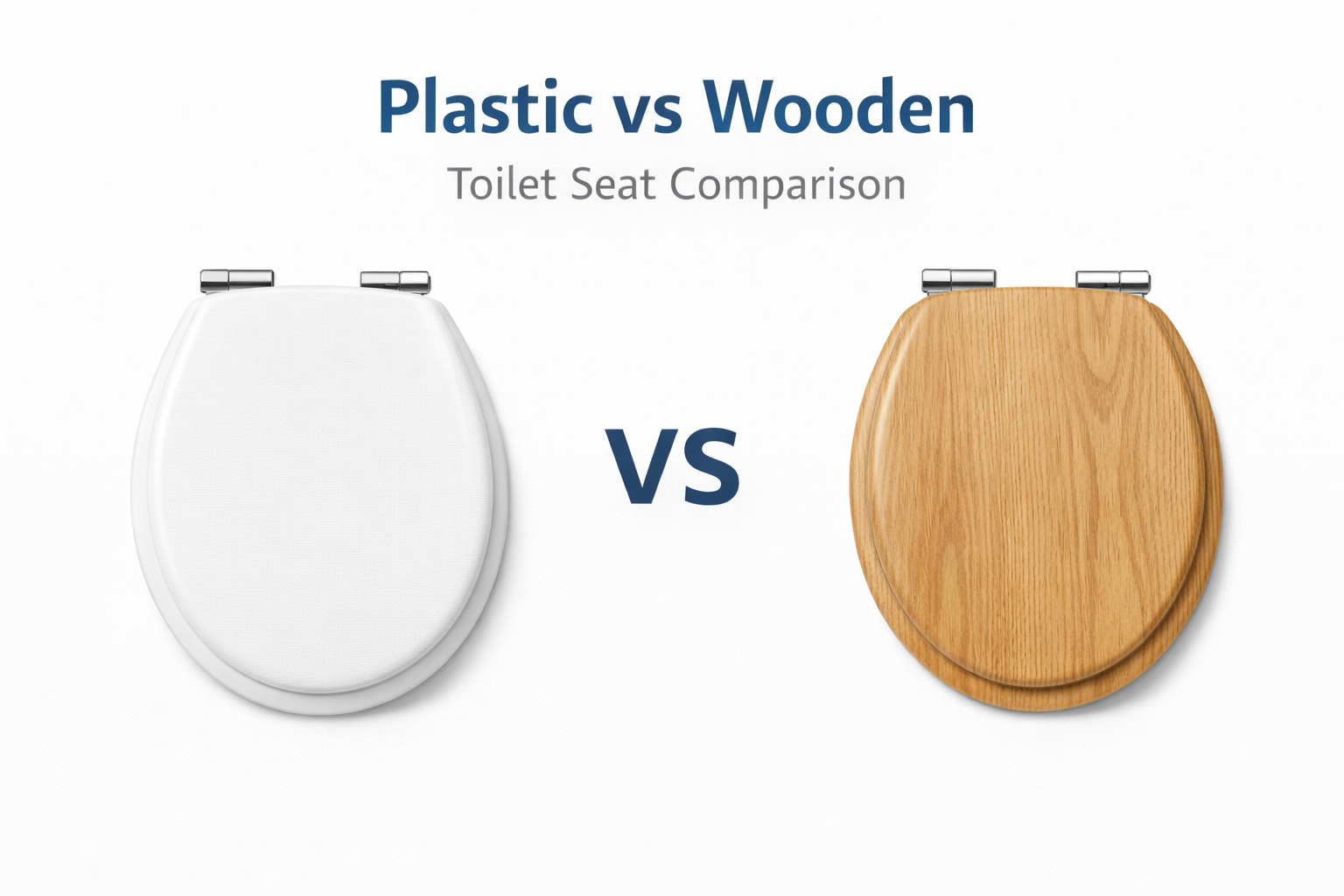
Is a Plastic or Wooden Toilet Seat Better?
Choosing the right toilet seat might seem simple, but one common question comes up again and again:
Is a plastic or wooden toilet seat better?
Plastic and wooden toilet seats are the two most popular options on the market. Each has its own advantages, and the better choice depends on your bathroom environment, usage habits, and personal preferences. This guide breaks down the key differences to help you decide with confidence.
What Is a Plastic Toilet Seat?
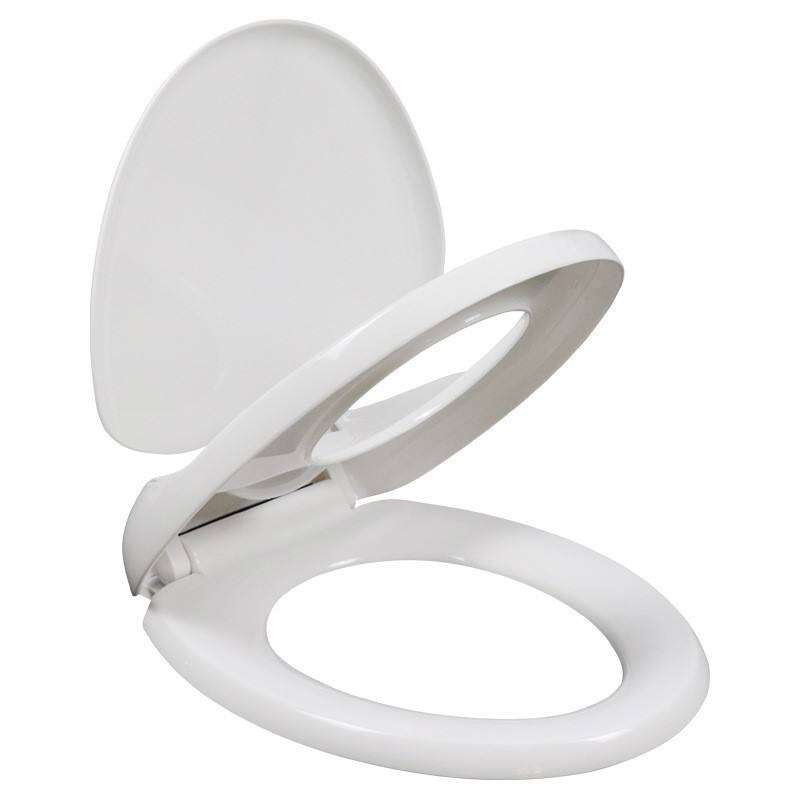
Manufacturers usually make a plastic toilet seat from thermoplastic or thermoset plastic. Both types are strong and meant for daily use in bathrooms.
Advantages of Plastic Toilet Seats
Many people widely choose plastic toilet seats for their ease of use.
- Easy to clean and maintain
- Resistant to moisture and humidity
- Suitable for frequent use
- Available in a wide range of colors and styles
- Often compatible with soft close and quick-release hinges
These features make plastic toilet seats a popular choice for family bathrooms, rental properties, and commercial spaces.
Possible Downsides of Plastic Toilet Seats
Despite their convenience, plastic toilet seats may not suit everyone:
- Can feel cooler to the touch
- Lighter weight may feel less solid
- Appearance is often more functional than decorative
What Is a Wooden Toilet Seat?
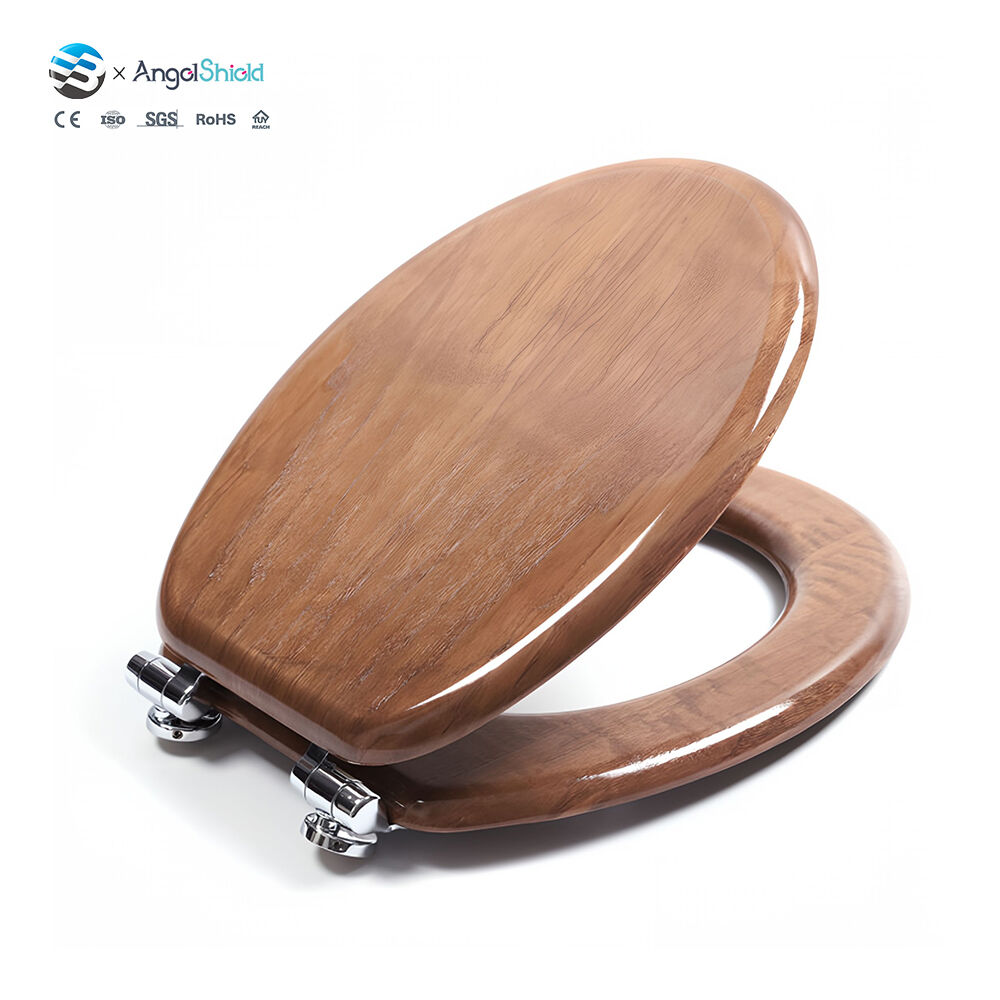
Manufacturers often make wooden toilet seats from molded wood or enameled wood. They provide a classic look and a strong feel.
Advantages of Wooden Toilet Seats
Many homeowners choose wooden toilet seats for comfort and aesthetics:
- A more solid and stable sitting experience
- Warmer, more natural feel
- Classic appearance that suits traditional or vintage bathrooms
- Often perceived as more premium
Possible Downsides of Wooden Toilet Seats
Wooden toilet seats also have limitations to consider:
- More sensitive to moisture if the surface is damaged
- Requires gentler cleaning products
- Heavier than plastic seats
Plastic vs Wooden Toilet Seat: Key Differences
Here is a practical comparison to help you quickly understand the differences:
Comfort
Wooden toilet seats tend to feel sturdier and warmer, while plastic seats are lighter and more flexible in daily use.
Cleaning and Maintenance
Plastic toilet seats are easier to clean and better suited for bathrooms that require frequent sanitation.
Moisture Resistance
Plastic performs better in humid environments, while wooden seats are best used in well-ventilated bathrooms.
Design and Style
Wooden toilet seats offer a classic, home-style appearance. Plastic toilet seats provide more modern and minimalist options.
Price Range
Plastic toilet seats are usually cheaper. Wooden seats are often more expensive because of the materials and finish.
Which Toilet Seat Is Better for You?
Choosing between plastic and wooden toilet seats depends on how and where the toilet is used:
- Plastic toilet seats are ideal for busy households, rental apartments, and humid bathrooms where easy cleaning matters most.
- Wooden toilet seats are better suited for home bathrooms where comfort, stability, and design are priorities.
If moisture resistance and low maintenance are key, plastic is often the better choice.
If comfort and visual appeal matter more, wood may be the right fit.
If you still can't decide between these two, then you might like another material: UF toilet seats.
Final Thoughts
So, is a plastic or wooden toilet seat better?
There isn't a one-size-fits-all solution for everyone.
Plastic toilet seats provide convenience, are simple to clean, and highly adaptable.
Wooden toilet seats provide comfort, stability, and a timeless look.
By knowing the differences between plastic and wooden toilet seats, you can pick the one that fits your bathroom and lifestyle best.