Exceptional Durability and Longevity
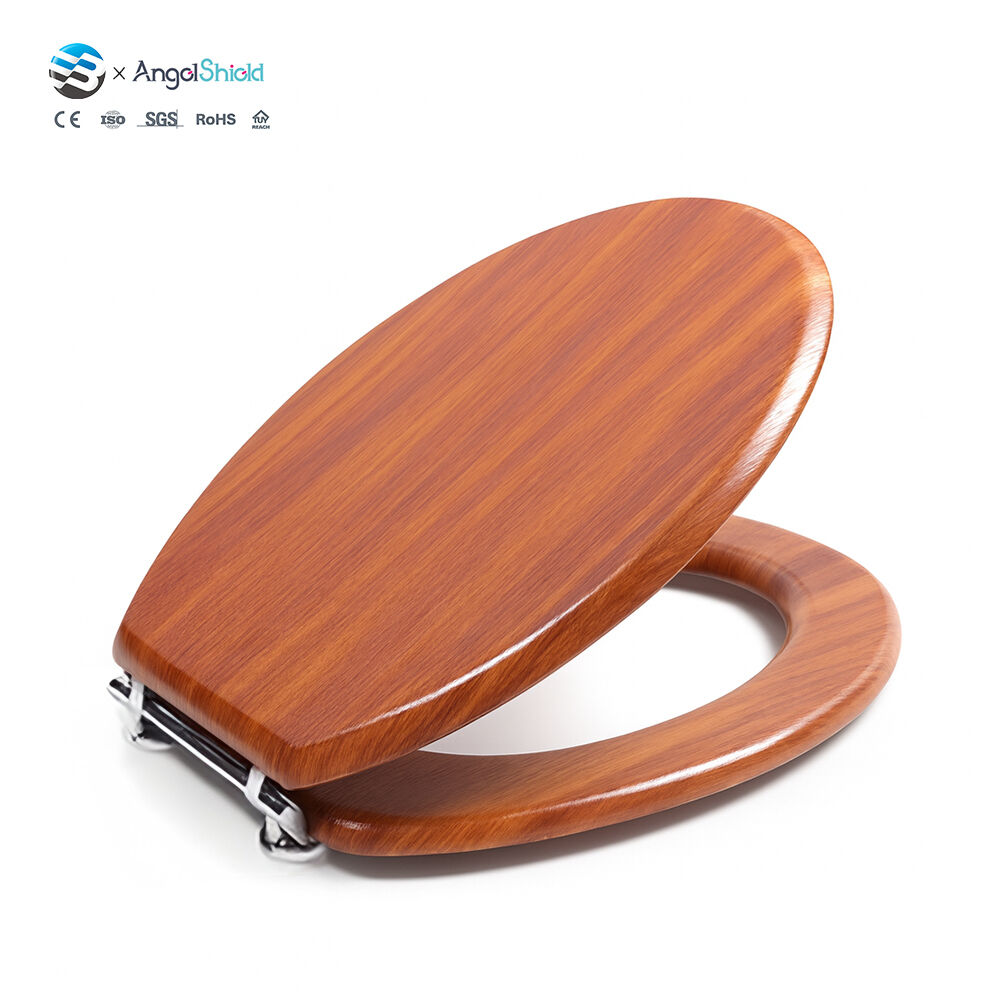
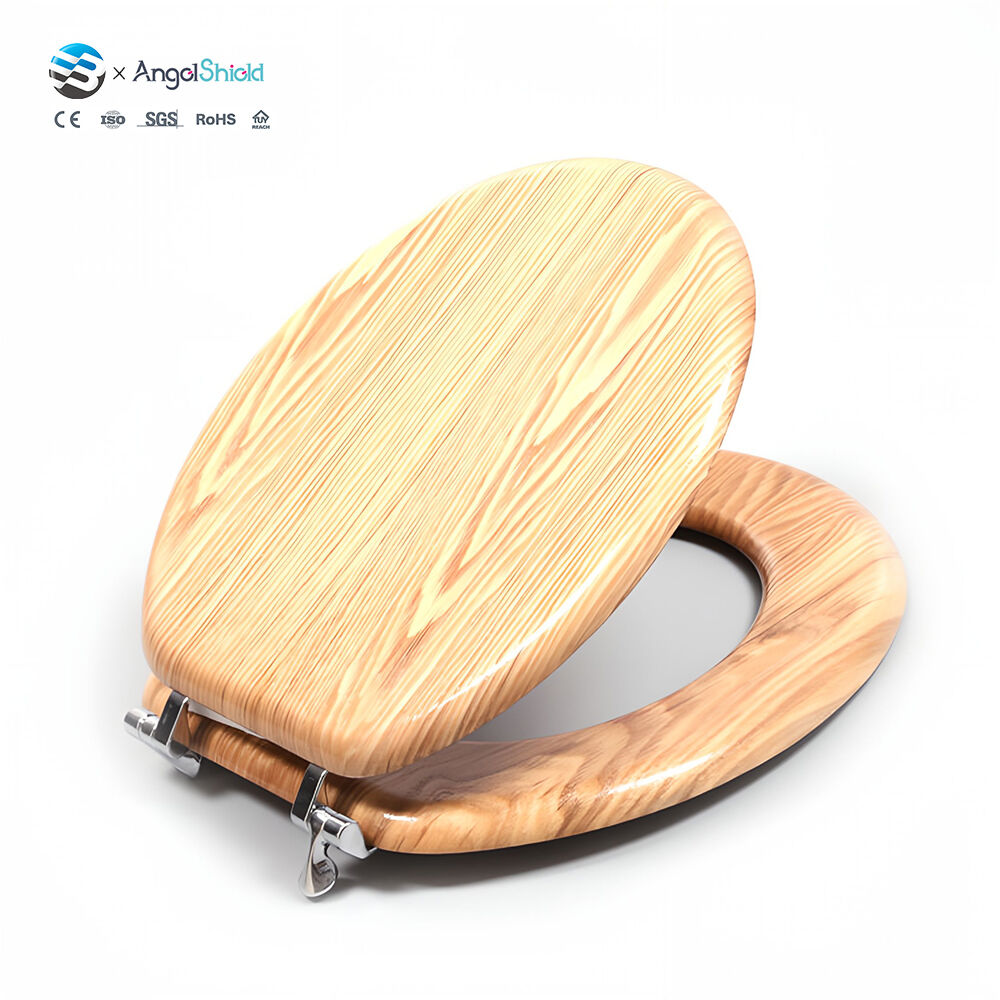
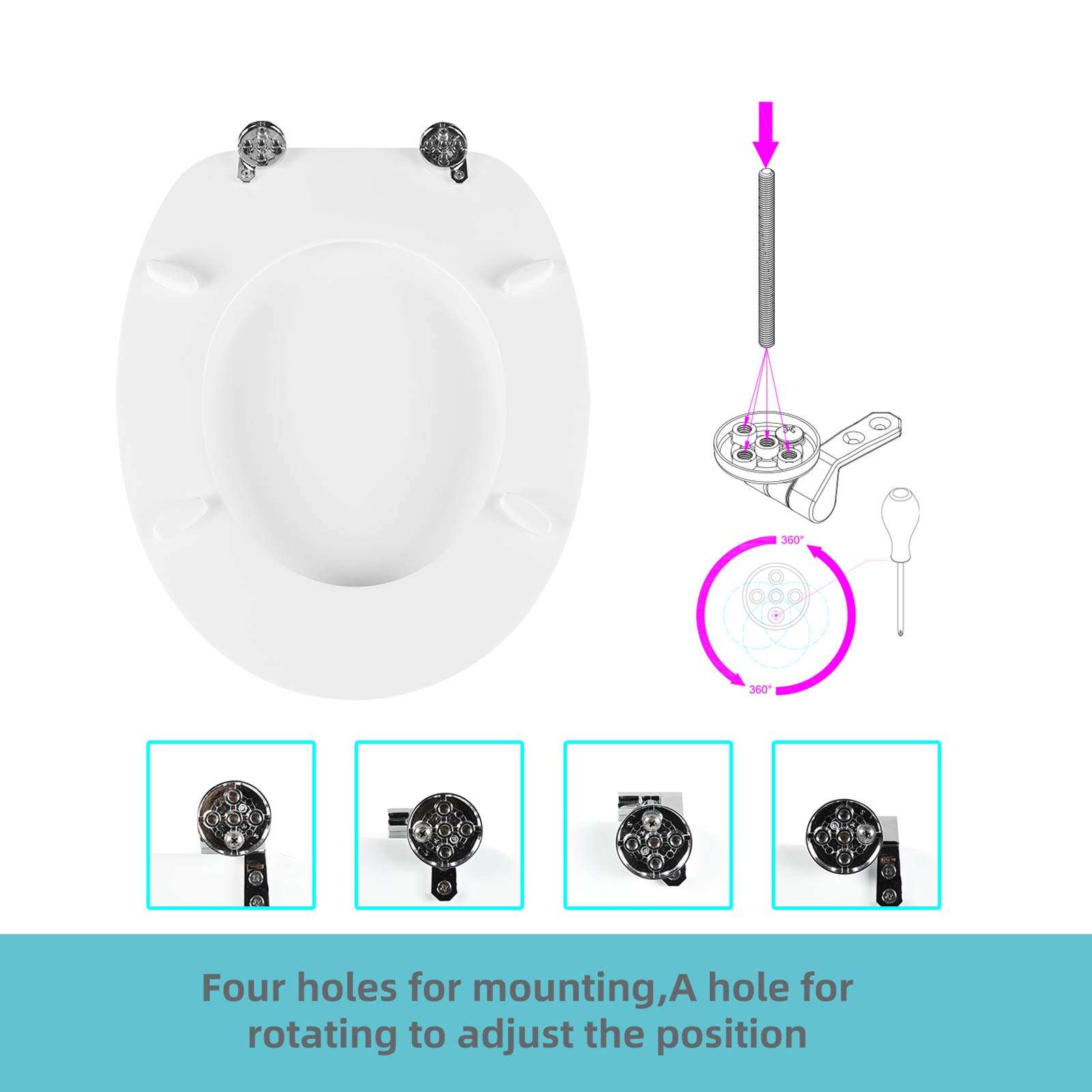
The wooden toilet seat demonstrates remarkable durability characteristics that significantly outperform plastic alternatives, making it a wise long-term investment for any bathroom renovation or upgrade project. High-quality wooden toilet seat construction utilizes carefully selected hardwoods or engineered wood composites that resist warping, cracking, and deterioration even under constant exposure to moisture and temperature fluctuations typical in bathroom environments. The natural strength of wood fibers creates a wooden toilet seat that maintains structural integrity through thousands of use cycles, withstanding the stress of daily opening, closing, and weight-bearing without developing the stress fractures commonly seen in plastic seats. Advanced finishing techniques applied to wooden toilet seat products include multiple layers of protective coatings that seal the wood against moisture penetration while maintaining the natural beauty and texture of the material. These protective treatments ensure that the wooden toilet seat resists swelling, shrinkage, and dimensional changes that could affect fit or function over time. The hardware components integrated into wooden toilet seat designs, including hinges and mounting brackets, undergo rigorous testing to ensure they match the longevity of the wood components, preventing premature failure that would compromise overall durability. Quality control measures in wooden toilet seat manufacturing include stress testing, moisture resistance evaluation, and accelerated aging protocols that simulate years of use to verify long-term performance characteristics. The natural resistance of certain wood species to bacterial growth and decay contributes to the extended lifespan of wooden toilet seat products, reducing the likelihood of deterioration from biological factors. Proper maintenance of a wooden toilet seat, involving regular cleaning and occasional reconditioning of protective finishes, can extend product life well beyond typical warranty periods, often lasting decades in residential applications. The repairable nature of wooden toilet seat construction allows for minor refinishing or hardware replacement to restore like-new performance, unlike plastic seats that require complete replacement when damaged. Environmental factors that commonly destroy plastic toilet seats, such as UV exposure, chemical cleaners, and thermal cycling, have minimal impact on properly finished wooden toilet seat products, ensuring consistent performance and appearance retention over extended periods.