Premium Wood Toilet Seats: Comfort, Durability & Eco-Friendly Bathroom Solutions

wood toilet seat

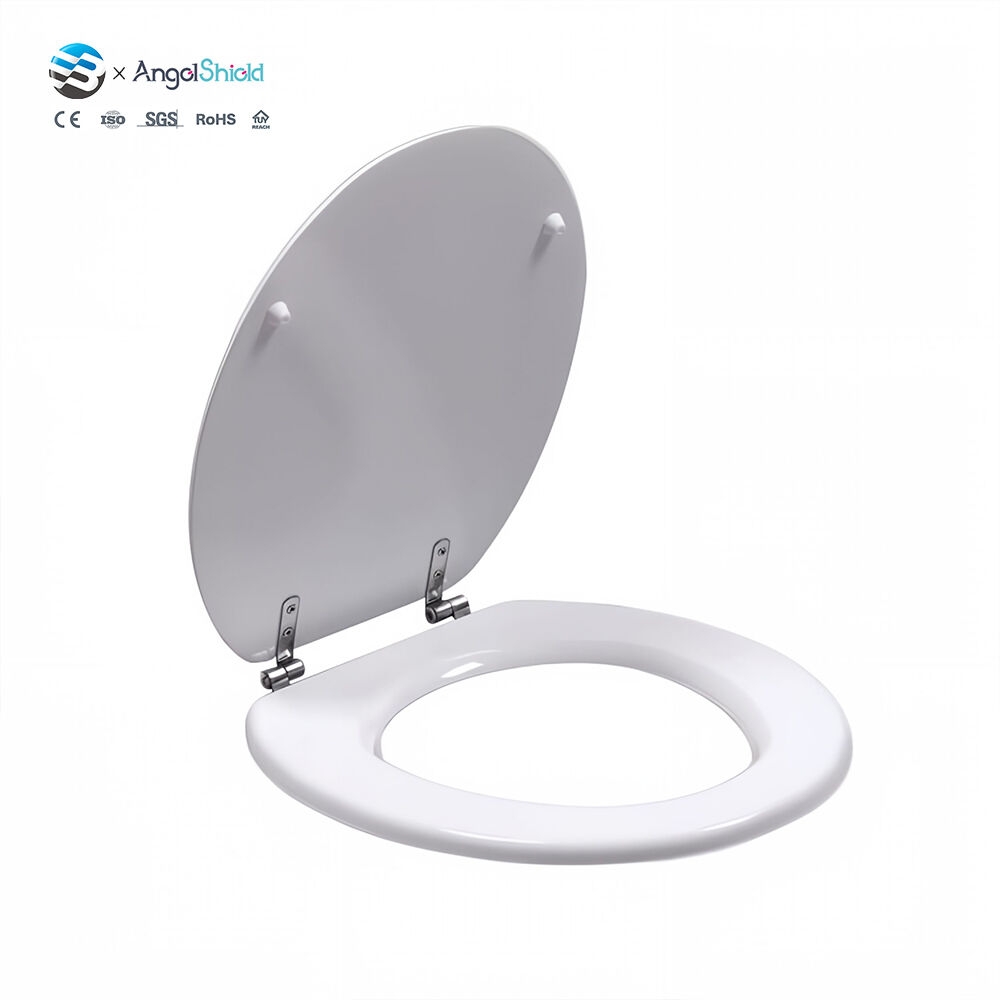
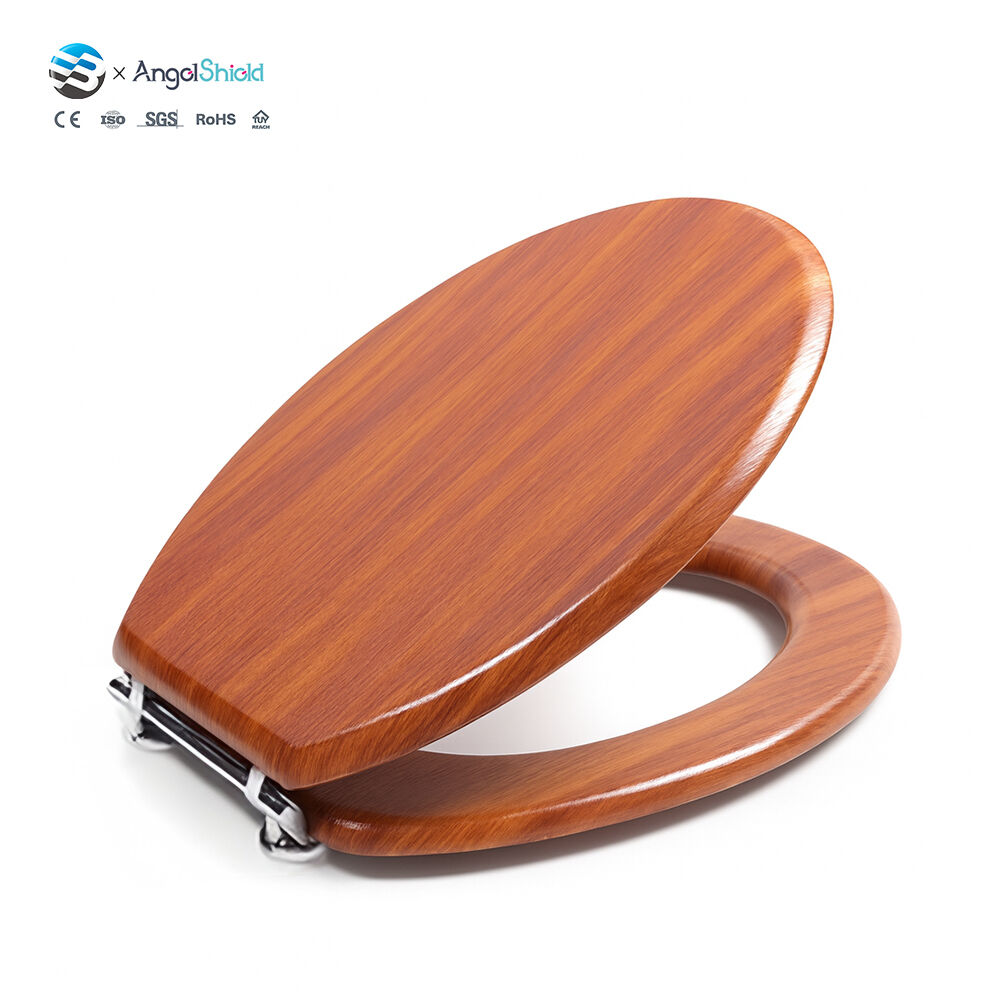
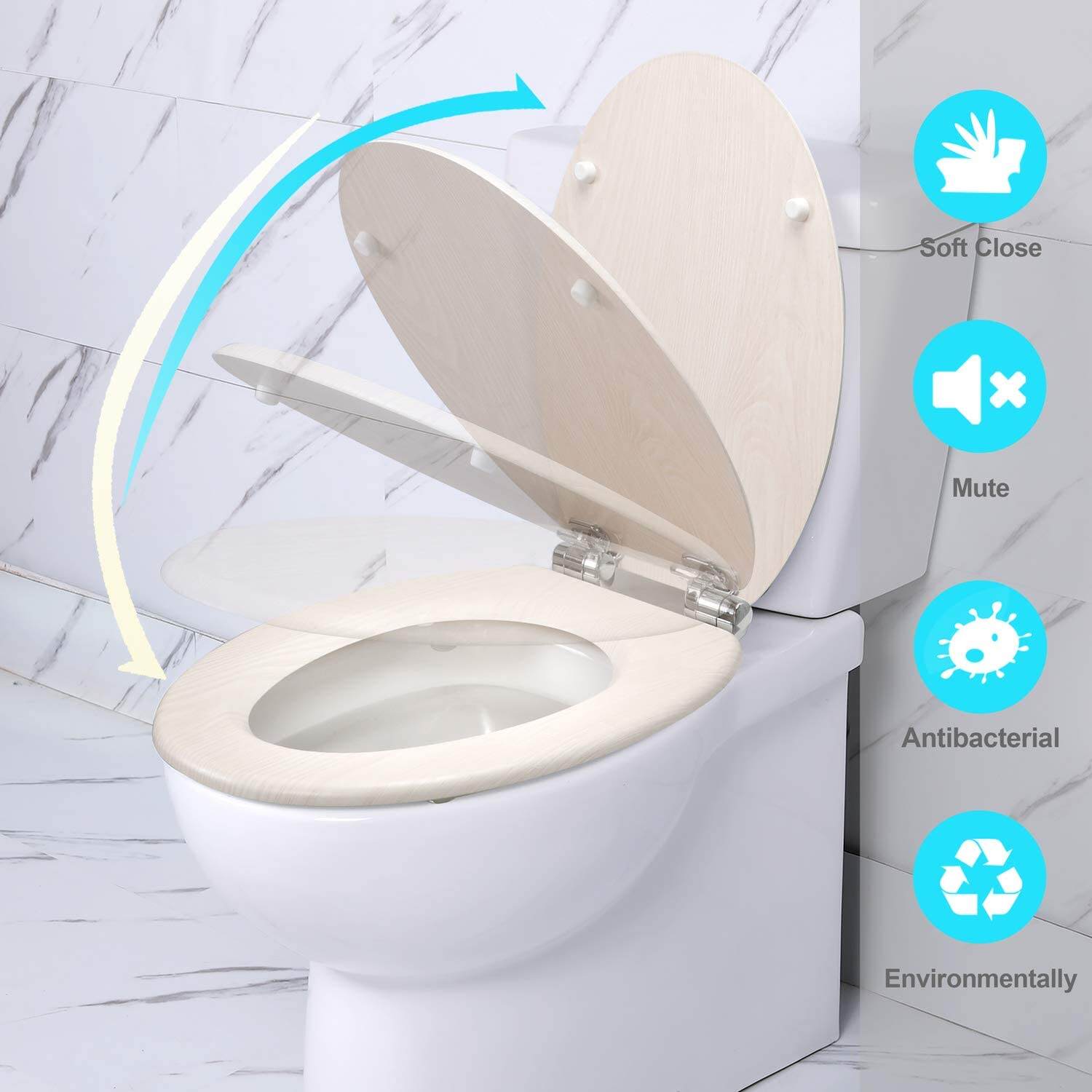
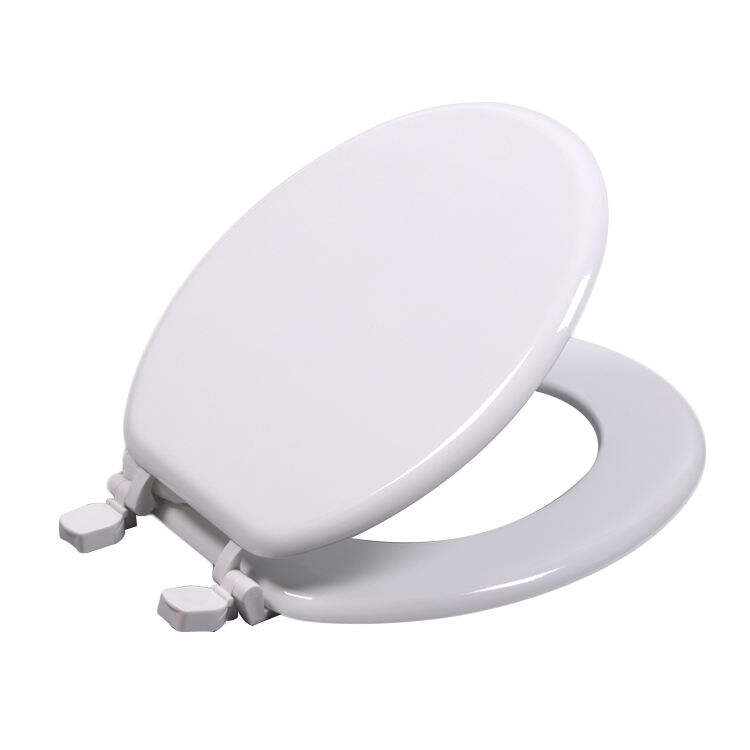
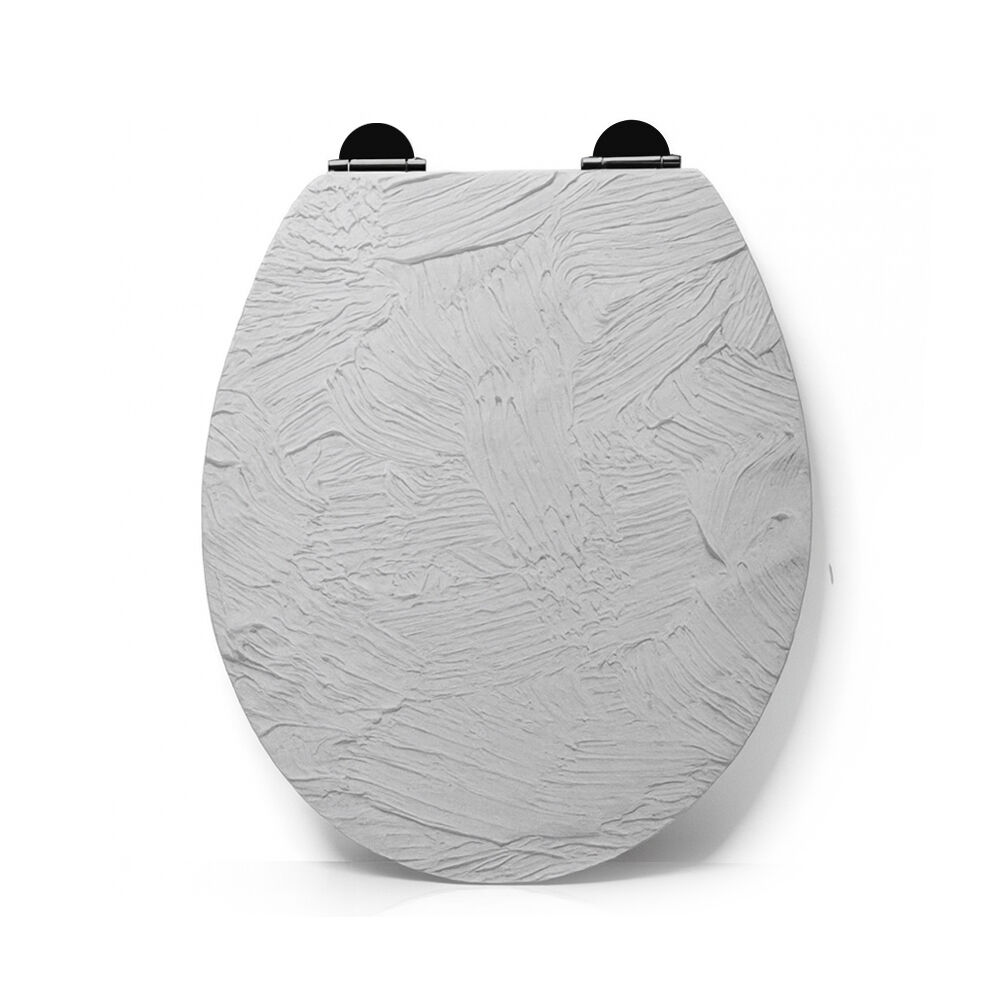
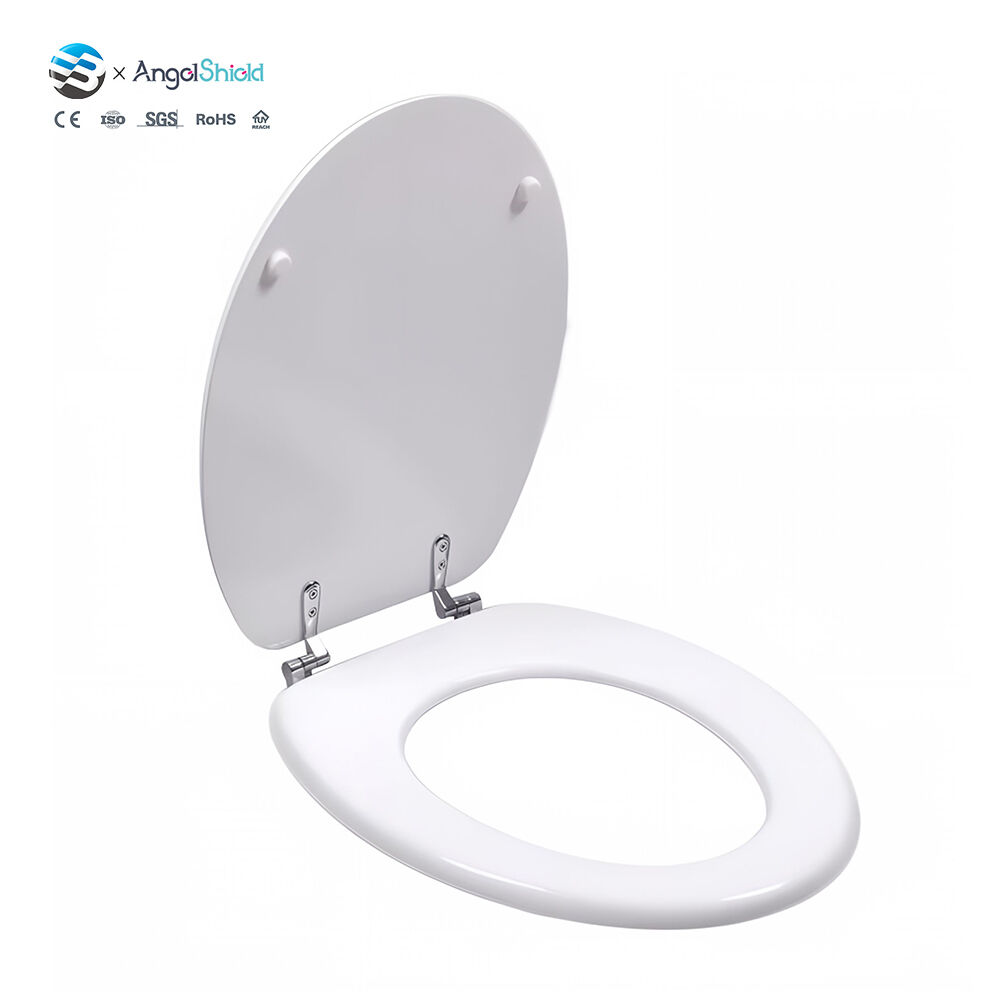
A wood toilet seat represents a sophisticated blend of natural aesthetics and practical functionality, elevating the bathroom experience through its unique combination of warmth, durability, and timeless appeal. Unlike conventional plastic or composite alternatives, the wood toilet seat offers an organic touch that transforms an ordinary bathroom fixture into a statement piece. These seats are typically crafted from high-quality hardwoods such as oak, maple, bamboo, or engineered wood materials that undergo specialized treatment processes to ensure longevity and hygiene. The manufacturing process involves precision cutting, sanding, and finishing with water-resistant coatings that protect against moisture damage while maintaining the natural wood grain patterns. Modern wood toilet seat designs incorporate ergonomic contours that provide superior comfort during use, with carefully rounded edges and smooth surfaces that prevent discomfort. The seats feature robust hinges made from stainless steel or brass that ensure smooth operation and long-lasting performance. Many models include soft-close mechanisms that prevent slamming, reducing noise and preventing damage to both the seat and toilet bowl. The wood toilet seat serves multiple applications across residential and commercial settings, from luxury homes and boutique hotels to eco-conscious establishments seeking sustainable bathroom solutions. Installation is straightforward, typically requiring only basic tools and following standard mounting procedures. The seats are designed to fit most standard toilet bowl configurations, with adjustable mounting systems that accommodate various bowl shapes and sizes. Temperature regulation is another notable feature, as wood naturally maintains a more comfortable surface temperature compared to plastic alternatives, providing a pleasant experience regardless of ambient conditions. The wood toilet seat also offers excellent structural integrity, supporting substantial weight while maintaining its shape and finish over extended periods of use.

Popular Products

The wood toilet seat delivers exceptional comfort that surpasses traditional materials through its natural temperature-regulating properties. Wood maintains a consistently pleasant surface temperature, eliminating the shock of cold plastic during winter months or the uncomfortable heat buildup common with synthetic materials. This thermal stability creates a more enjoyable bathroom experience year-round. Durability stands as another significant advantage, with quality wood toilet seats lasting decades when properly maintained. The inherent strength of hardwood materials resists cracking, warping, and structural failure that commonly affects plastic seats over time. Wood toilet seats demonstrate remarkable resilience against daily wear, maintaining their structural integrity and aesthetic appeal through countless uses. The environmental benefits make wood toilet seats an eco-friendly choice for environmentally conscious consumers. Wood is a renewable resource that biodegrades naturally at the end of its lifecycle, unlike petroleum-based plastics that persist in landfills for centuries. Many manufacturers source wood from sustainably managed forests, further reducing environmental impact. The natural antimicrobial properties of certain woods, particularly bamboo and cedar, provide additional hygiene benefits by naturally inhibiting bacterial growth on the surface. Aesthetic versatility allows wood toilet seats to complement virtually any bathroom design scheme, from rustic farmhouse styles to modern minimalist approaches. The natural grain patterns and rich color variations create visual interest that enhances overall bathroom aesthetics. Wood can be stained or finished in numerous colors and textures, providing customization options that plastic alternatives cannot match. Easy maintenance requirements make wood toilet seats practical for busy households. Regular cleaning with mild soap and water maintains hygiene standards, while occasional conditioning with appropriate wood treatments preserves the finish and prevents moisture damage. The solid construction of wood toilet seats provides superior stability and support compared to hollow plastic alternatives. This enhanced stability reduces movement and wobbling that can lead to premature wear of mounting hardware. Sound dampening properties of wood reduce noise from normal use, creating a quieter bathroom environment. The substantial weight of wood toilet seats contributes to a premium feel and prevents shifting during use.

Tips And Tricks

Replacement Toilet Seat: Complete Size, Type & OEM Supply Guide

13

Jan

Replacement Toilet Seat: Complete Size, Type & OEM Supply Guide

Complete guide to replacement toilet seats, covering sizes, types, compatibility standards for North America & Europe, and sourcing for wholesale, private label, and OEM buyers.
View More
Replacement Toilet Seat Size Guide: 17”, 18.5” & 19” Explained

13

Jan

Replacement Toilet Seat Size Guide: 17”, 18.5” & 19” Explained

View More
Replacement Toilet Seat Materials: PP vs MDF vs UF

13

Jan

Replacement Toilet Seat Materials: PP vs MDF vs UF

View More
Replacement Toilet Seat OEM Manufacturer & Wholesale Supply Guide

13

Jan

Replacement Toilet Seat OEM Manufacturer & Wholesale Supply Guide

View More

Get a Free Quote

Our representative will contact you soon.
Email
Name
Company Name
Message
0/1000

wood toilet seat

Superior Comfort Through Natural Temperature Regulation

Superior Comfort Through Natural Temperature Regulation

The wood toilet seat excels in providing unmatched comfort through its exceptional temperature regulation capabilities, a feature that sets it apart from conventional plastic and metal alternatives. Wood possesses unique thermal properties that allow it to maintain a consistently pleasant surface temperature, adapting naturally to ambient conditions without becoming uncomfortably cold or hot. During winter months, when bathroom temperatures drop, plastic toilet seats often become shockingly cold to the touch, creating an unpleasant experience. In contrast, a wood toilet seat maintains a neutral temperature that feels warm and welcoming against the skin. This natural insulation property stems from wood's cellular structure, which contains air pockets that provide thermal resistance and prevent rapid heat transfer. The comfort extends beyond temperature control to include the ergonomic benefits of wood's natural flexibility. Unlike rigid plastic materials, wood has a subtle give that conforms slightly to body contours, distributing weight more evenly and reducing pressure points. This characteristic becomes particularly noticeable during extended use, where the wood toilet seat continues to provide comfortable support without causing discomfort or numbness. The smooth, naturally finished surface of quality wood toilet seats eliminates the static electricity buildup common with synthetic materials, preventing the uncomfortable shocks that sometimes occur with plastic seats. Additionally, the substantial weight and solid construction of wood toilet seats create a stable, secure feeling that enhances user confidence and comfort. The wood toilet seat surface naturally wicks away moisture, preventing the clammy feeling associated with non-porous plastic surfaces. This moisture management capability contributes to overall hygiene and user comfort, particularly in humid bathroom environments. The tactile experience of sitting on a wood toilet seat feels premium and luxurious, with the natural texture and warmth of wood creating a spa-like atmosphere that transforms routine bathroom visits into more pleasant experiences.
Exceptional Durability and Long-Term Value Investment

Exceptional Durability and Long-Term Value Investment

The wood toilet seat represents an outstanding long-term investment due to its exceptional durability characteristics that far exceed those of conventional bathroom fixtures. Quality hardwood construction ensures that a wood toilet seat can withstand decades of regular use while maintaining its structural integrity and aesthetic appeal. The inherent strength of wood fibers creates a resilient material that resists the cracking, splitting, and warping commonly experienced with plastic alternatives. This durability stems from the natural composition of wood, which has evolved over millions of years to withstand environmental stresses and mechanical forces. When properly finished and maintained, a wood toilet seat develops a protective patina that actually strengthens over time, creating a surface that becomes more durable with age. The solid construction of wood toilet seats eliminates the weak points found in hollow plastic designs, where stress concentrations often lead to premature failure. Heavy-duty hinges specifically designed for wood toilet seats provide smooth operation and exceptional longevity, often outlasting multiple generations of plastic seat hinges. The repairability of wood toilet seats adds another dimension to their durability advantage. Minor scratches, dents, or finish wear can be easily restored through simple refinishing techniques, effectively extending the seat's lifespan indefinitely. This repairability contrasts sharply with plastic seats, which typically require complete replacement when damaged. The dimensional stability of properly treated wood prevents the warping and distortion that compromise the fit and function of inferior materials. Quality wood toilet seats maintain their precise fit to the toilet bowl over many years, ensuring consistent performance and preventing the loose, wobbly operation that develops in worn plastic seats. The resistance to UV degradation means that wood toilet seats in bathrooms with natural light sources maintain their color and finish integrity, unlike plastic materials that often fade, discolor, or become brittle when exposed to sunlight. Cost analysis over the wood toilet seat's extended lifespan reveals superior value compared to repeatedly replacing cheaper alternatives.
Eco-Friendly Sustainability and Natural Antimicrobial Properties

Eco-Friendly Sustainability and Natural Antimicrobial Properties

The wood toilet seat stands as an exemplary choice for environmentally conscious consumers, offering significant sustainability advantages that align with green living principles and ecological responsibility. Wood represents one of the most sustainable materials available for bathroom fixtures, being completely renewable, biodegradable, and carbon-neutral when sourced from responsibly managed forests. The environmental footprint of a wood toilet seat remains minimal throughout its entire lifecycle, from harvesting through manufacturing to eventual disposal. Unlike petroleum-based plastics that require energy-intensive production processes and generate harmful emissions, wood toilet seats utilize a natural material that actually sequesters carbon during the tree's growth phase. Many manufacturers prioritize sustainable forestry practices, ensuring that wood toilet seat production supports forest regeneration rather than deforestation. The biodegradability of wood means that at the end of its useful life, a wood toilet seat will naturally decompose, returning nutrients to the soil without leaving persistent environmental pollutants. This contrasts dramatically with plastic alternatives that remain in landfills for hundreds of years, contributing to long-term environmental degradation. The natural antimicrobial properties of certain wood species provide additional health and hygiene benefits that synthetic materials cannot match. Woods such as bamboo, cedar, and teak contain natural compounds that inhibit bacterial growth and fungal development on the surface. These antimicrobial properties are intrinsic to the wood's cellular structure and remain effective throughout the wood toilet seat's lifespan, providing continuous protection against harmful microorganisms. The porous nature of wood allows for natural moisture regulation, preventing the damp conditions that encourage bacterial proliferation. This natural moisture management system helps maintain a more hygienic bathroom environment without requiring chemical treatments or antimicrobial additives. The absence of volatile organic compounds in properly finished wood toilet seats contributes to better indoor air quality, particularly important in enclosed bathroom spaces. Many wood toilet seats are finished with low-VOC or water-based sealers that maintain the wood's natural properties while providing necessary protection against moisture and wear.

Get a Free Quote

Our representative will contact you soon.
Email
Name
Company Name
Message
0/1000