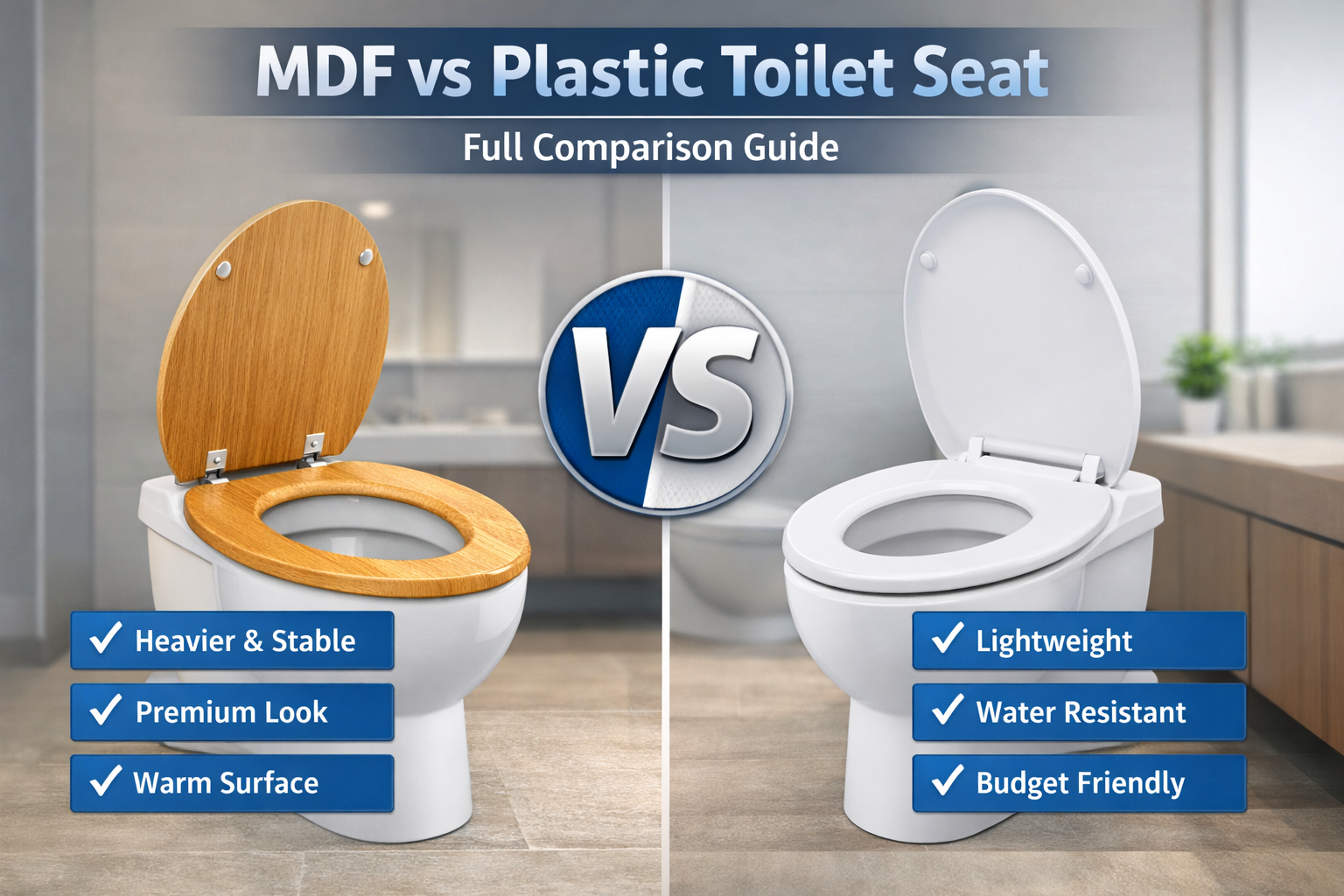
MDF vs plastová toaletná sedačka: Ktorá je lepšia?
Pri výbere toaletnej sedačky sa mnohí kupujúci pýtajú rovnakú otázku: MDF vs plastová toaletná sedačka – ktorá je lepšia?
V súčasných kúpeľniach sa oba materiály široko používajú a každý z nich ponúka svoje výhody v závislosti od konkrétneho použitia. Plastové toaletné sedačky sú ľahké a cenovo výhodné.
Okrem toho dobre odolávajú vlhkosti. Toaletné sedačky z MDF sú ťažšie a stabilnejšie. Ponúkajú luxusný vzhľad.
Pre majiteľov domov, stavebných firiem a distribútorov je dôležité pochopiť rozdiely medzi týmito dvoma materiálmi pred tým, ako urobia nákupné rozhodnutie.
V tomto sprievodcovi porovnáme MDF vs plastová toaletná sedačka podrobne vrátane:
- Štruktúra materiálu
- Trvanlivosť a životnosť
- Pohodlie a používateľská skúsenosť
- Údržba a čistenie
- Rozdiely v cene
- Najlepšie použitie
Do konca tohto článku budete mať jasnú predstavu o tom, ktorý materiál sedačky pre záchod je najvhodnejší pre vašiu kúpeľňu alebo projekt.
MDF vs. plastová sedačka pre záchod: rýchla odpoveď
Ak porovnávate MDF vs plastová toaletná sedačka , najlepšia voľba závisí od vašich potrieb.
- Toaletové sedačky z MDF sú ťažšie, stabilnejšie a ponúkajú prestížnejší vzhľad.
- Plastové toaletné sedadlá sú ľahké, cenovo výhodné a vysokej odolnosti voči vlhkosti.
Pre väčšinu obydlí je sedačka pre záchod z MDF vhodnejšia z hľadiska pohodlia a vzhľadu. Pre komerčné priestory alebo projekty s obmedzeným rozpočtom sú plastové sedačky pre záchod častejšie praktickejšou voľbou.
Čo je sedačka pre záchod z MDF?
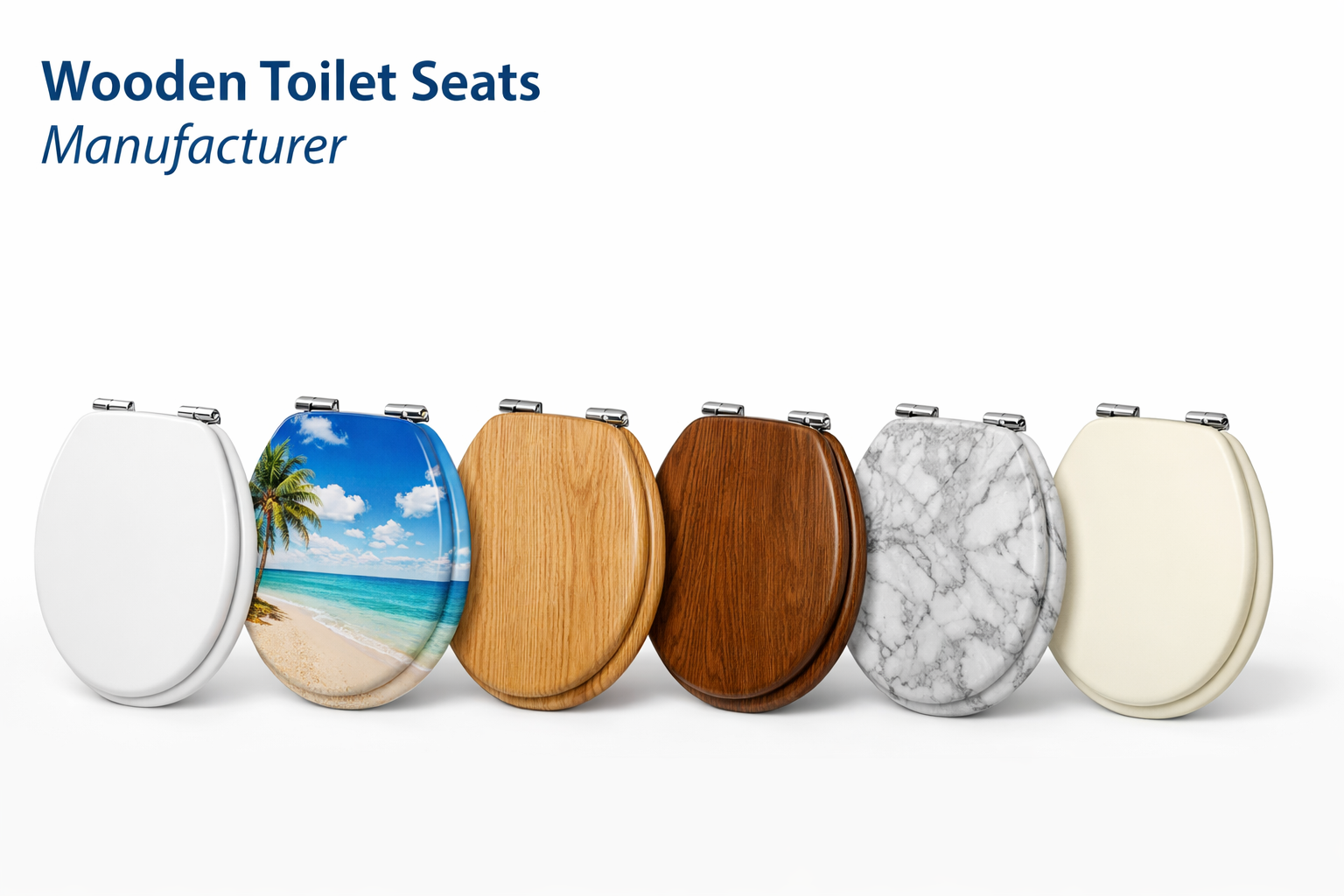
Výrobcovia vyrábajú sedačku pre záchod z MDF (stredne hustej drevenej dosky) stlačením drevených vlákien. Vlákná sa spoja pomocou pryskyriny za použitia tepla a vysokého tlaku. Tento výrobný proces vytvára hustý a trvanlivý materiál, ktorý sa bežne používa v nábytku a výrobkoch pre kúpeľňu.
Pri výrobe toaletných sedadiel výrobcovia potiahnu MDF sedadlá niekoľkými vrstvami farby alebo ochranného povlaku. Tým vznikne hladký, vodoodolný povrch.
Vzhľadom na svoju pevnú konštrukciu a dekoratívny povrch sa mnohým ľuďom zdajú MDF sedadlá viac luxusnou voľbou než základné plastové sedadlá.
Výhody MDF toaletných sedadiel
MDF toaletné sedadlá ponúkajú niekoľko dôležitých výhod.
Stabilný a pevný pocit
Hustý materiál poskytuje sedadlu pri sedení väčšiu hmotnosť a stabilnejší pocit.
Premium vzhľad
Nafarbený povrch umožňuje výrobcom vytvárať elegantné dokončenia, ktoré sú v súlade so súčasnými štýlmi kúpeľní.
Pohodlný povrch
MDF sedadlá sa často cítia teplejšie ako plastové materiály, najmä v chladnejšom prostredí.
Odolná konštrukcia
Vysokokvalitné MDF sedadlá môžu vydržať roky každodenného používania, ak sú správne potiahnuté.
Potenciálne nevýhody
Aj napriek svojim výhodám majú MDF toaletné sedadlá aj niektoré obmedzenia.
Vyššia hmotnosť
MDF sedadlá sú ťažšie ako plastové sedadlá, čo môže urobiť inštaláciu mierne náročnejšou.
Vyžaduje sa ochrana povrchu
Ak je povlaková vrstva poškodená, MDF môže postupne absorbovať vlhkosť.
Moderné výrobné techniky však výrazne zlepšili odolnosť MDF toaletných sedadiel voči vode.
Čo je plastové toaletné sedadlo?
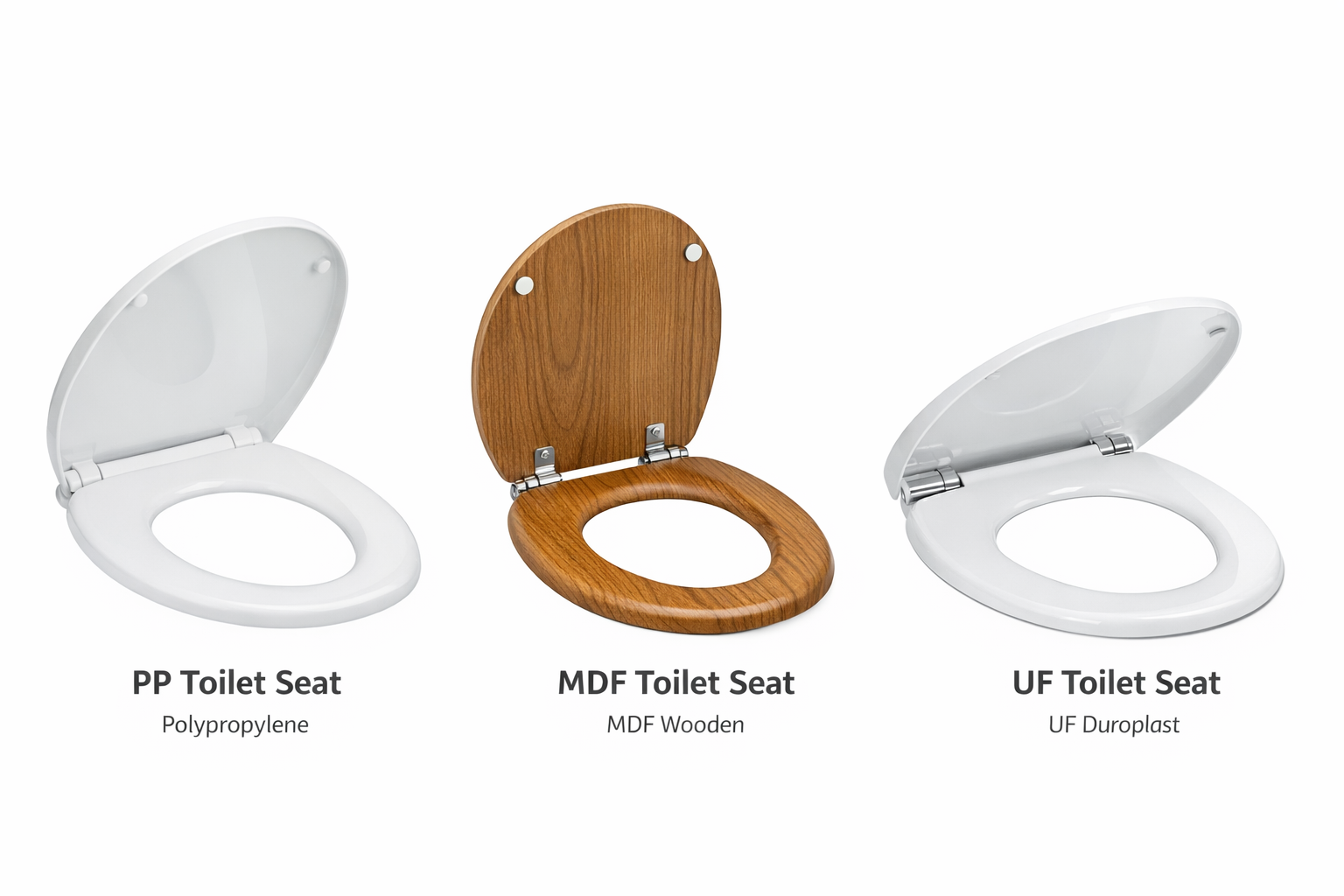
Výrobcovia zvyčajne vyrábajú plastové sedadlo na záchod z polypropylénu (PP) alebo iných termoplastických materiálov pomocou vstrekovej formovacej techniky.
Tento výrobný proces umožňuje veľkosériovú výrobu s konzistentnou kvalitou a nižšími nákladmi.
Plastové toaletné sedadlá sú bežné v domácnostiach aj v verejných kúpeľniach. Sú ľahké, pevné a ľahko sa čistia.
Výhody plastových toaletných sedadiel
Plastové toaletné sedadlá ponúkajú niekoľko praktických výhod.
Ľahký dizajn
Plastové sedadlá sa vďaka nižšej hmotnosti ľahšie manipulujú a inštalujú.
Vynikajúca odolnosť voči vlhkosti
Plastové materiály prirodzene odolávajú vode a vlhkosti, čo ich robí ideálnymi pre prostredie kúpeľní.
Jednoduchá údržba
Hladký plastový povrch sa dá rýchlo vyčistiť bežnými domácimi čistiacimi prostriedkami.
Dostupná cena
Plastové sedadlá sú zvyčajne cenovo výhodnejšie ako možnosti z MDF.
Potenciálne nevýhody
Plastové toaletné sedadlá majú však aj niektoré nevýhody.
Menej pevný pocit
Keďže je plast ľahší, pri sedení môže pôsobiť menej pevne.
Jednoduchší vzhľad
Základné plastové sedadlá často majú jednoduchší dizajn v porovnaní s natretými MDF sedadlami.
MDF vs plastová toaletná sedačka: vysvetlenie štruktúry materiálu
Porozumenie vnútornej štruktúry každého materiálu pomáha vysvetliť rozdiely v ich výkone.
| Funkcia | Toaletová sedačka z MDF | Plastové sedadlo na záchod |
|---|---|---|
| Materiál | Stlačené drevené vlákno | Polypropylénový plast |
| Hmotnosť | Ťažšia a stabilnejšia | Ľahké |
| Pohodlie | Teplejší povrch | Mierne chladnejšia |
| Vzor | Premium natretý povrch | Jednoduchý plastový vzhľad |
| Údržba | Vyžaduje nepoškodený povlak | Jednoduchá údržba |
| Odolnosť | Silná štruktúra | Pružná, ale pevná |
| Cena | Stredná trieda | Prijateľná cena |
Štruktúra z MDF
MDF toaletné sedačky sa vyrábajú z:
- stlačených drevených vlákien
- prísad na spojovanie pryskyríc
- vysokotlakové formovanie
Tento proces vytvára hustý materiál s vynikajúcou stabilitou.
Plastová štruktúra
Plastové toaletné sedačky sa vyrábajú z:
- peliet polypropylénu (PP)
- technológie vstrekovania
- ľahká konštrukčná úprava
Pružnosť materiálu pomáha zabrániť praskaniu a zároveň udržiava sedačku ľahkou.
MDF vs. plastová toaletná sedačka: kľúčové rozdiely
Nasledujúca tabuľka zhrnuje hlavné rozdiely medzi toaletnými sedačkami z MDF a z plastu.
Obe tieto materiály sa v rôznych situáciách správajú dobre.
Porovnanie odolnosti
Trvanlivosť je jedným z najdôležitejších faktorov pri výbere toaletnej sedačky.
Trvanlivosť MDF
Keďže MDF je hustý materiál, poskytuje pevnú štrukturálnu podporu a stabilitu. Toaletné sedačky z vysokokvalitného MDF môžu v domácom prostredí vydržať mnoho rokov.
Ochranné povlaky pomáhajú predchádzať poškrabaniu a poškodeniu spôsobenému vlhkosťou.
Trvanlivosť plastu
Plastové toaletné sedačky sú pružné a odolné voči praskaniu. Vlhké prostredie tiež veľmi dobre zvládajú.
Hoci plastové sedadlá môžu pôsobiť ľahšie, pri výrobe z kvalitných materiálov sú veľmi odolné.
Pohodlie a používateľská skúsenosť
Pohodlie je ďalším kľúčovým faktorom pri porovnávaní MDF vs plastová toaletná sedačka .
Pohodlie MDF
Sedadlá z MDF sú ťažšie a pôsobia stabilnejšie. Natretý povrch sa tiež zvyčajne cíti teplejší ako plast.
Mnoho domácich majiteľov preto uprednostňuje sedadlá z MDF pre toalety.
Pohodlie plastových sedadiel
Plastové sedadlá poskytujú dostatočné pohodlie pre každodenné používanie, avšak v porovnaní so sedadlami z MDF môžu pôsobiť chladnejšie a ľahšie.
Ľudia často považujú plastové sedadlá za praktické a vhodné pre toalety s vysokou návštevnosťou.
Údržba a čistenie
Požiadavky na údržbu tiež môžu ovplyvniť voľbu materiálu toaletného sedadla.
Údržba sedadiel z MDF
MDF sedadlá je potrebné pravidelne čistiť mierne čistiacimi prostriedkami. Je dôležité vyhnúť sa poškodeniu ochranného povlaku, aby sa zabránilo prieniku vlhkosti.
Údržba plastových sedadiel
Plastové sedadlá sa veľmi ľahko čistia. Keďže plast je nepriepustný, prirodzene odoláva vode a škvrnám.
To spôsobuje, že plastové sedadlá sú populárne v komerčných kúpeľniach.
Porovnanie cien
Cena je často rozhodujúcim faktorom pri výbere toaletných sedadiel.
Cena plastového toaletného sedadla
Plastové sedadlá sú zvyčajne najlacnejšou možnosťou vzhľadom na efektívnu výrobu injekčným lisovaním.
Bežne sa používajú v:
- nemovitosti na pronájom
- obchodné budovy
- rekonštrukcie v rámci rozpočtu
Cena MDF toaletného sedadla
MDF toaletné sedadlá sa zvyčajne radia do strednej cenovej kategórie.
Mnoho kupujúcich si vyberá sedačky z MDF pre ich luxusný vzhľad a pohodlie.
Inštalácia a kompatibilita
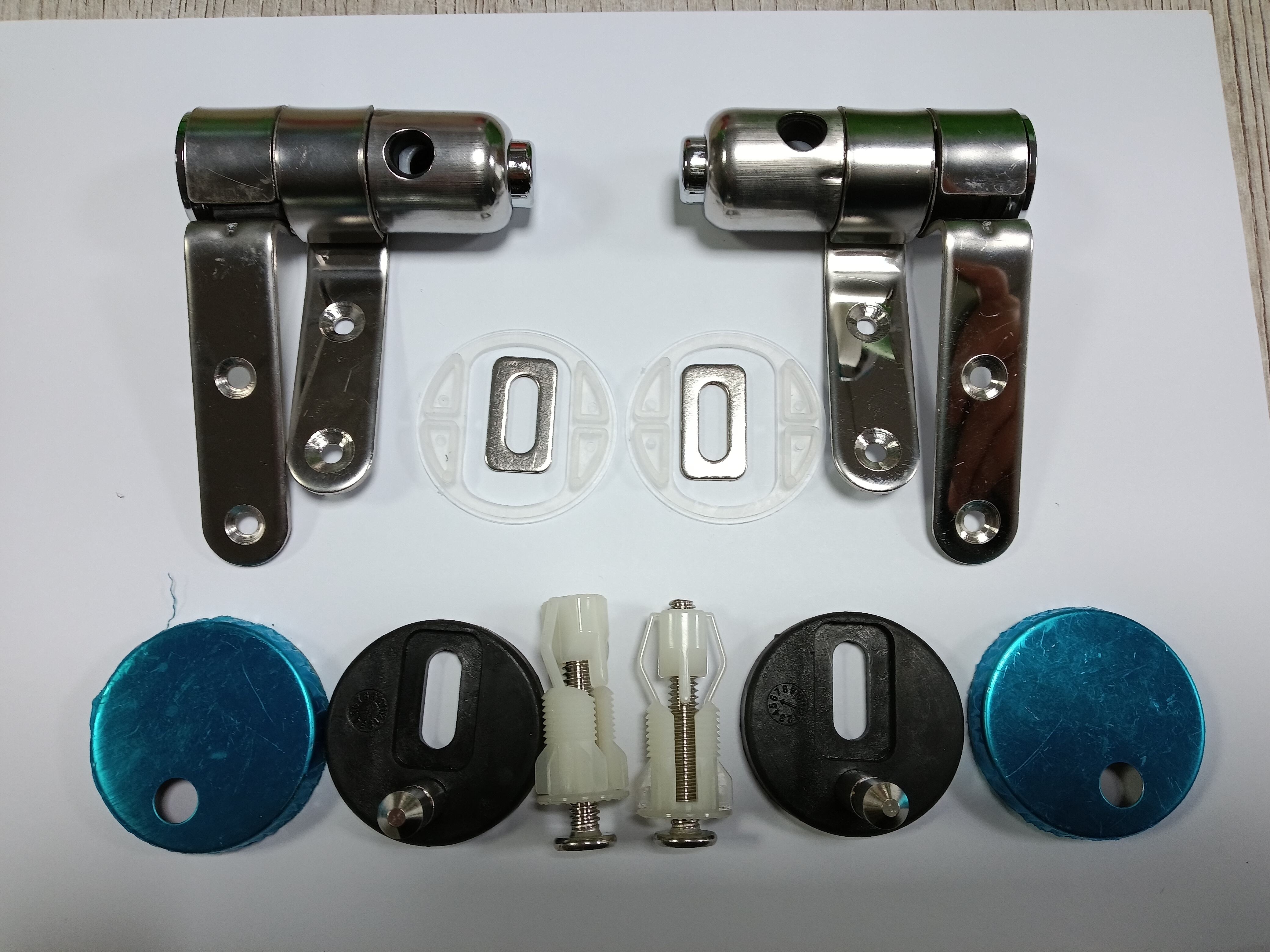
Sedačky z MDF aj z plastu sú kompatibilné so štandardnými toaletnými miskami.
Väčšina toaletných sedačiek je navrhnutá tak, aby sa hodila:
- okruhlé toaletné misy
- na predĺžené toaletné misy
- štandardné rozostupy kĺbov
Moderné sedačky okrem toho obsahujú funkcie, ako napríklad:
- závesy s mäkkým zatváraním
- rýchla demontáž pri inštalácii
Tieto funkcie zvyšujú pohodlie a použiteľnosť bez ohľadu na materiál.
Ako vybrať správny materiál pre toaletnú sedačku
Pri rozhodovaní medzi sedačkami z MDF a z plastu zvážte nasledujúce faktory.
Prostredie kúpeľní
Ak je v kúpeľni vysoká vlhkosť, plastové sedačky môžu mať lepší výkon.
Frekvencia používania
V prostrediach s vysokou návštevnosťou, ako sú kancelárie alebo verejné toalety, sa často uprednostňujú plastové sedačky.
Preferencia pohodlia
Ak sú prioritou pohodlie a stabilita, MDF sedačky môžu byť lepšou voľbou.
Rozpočet
Pre projekty citlivé na náklady poskytujú plastové toaletné sedačky ekonomickejšiu možnosť.
Najvhodnejšie aplikácie pre každý materiál
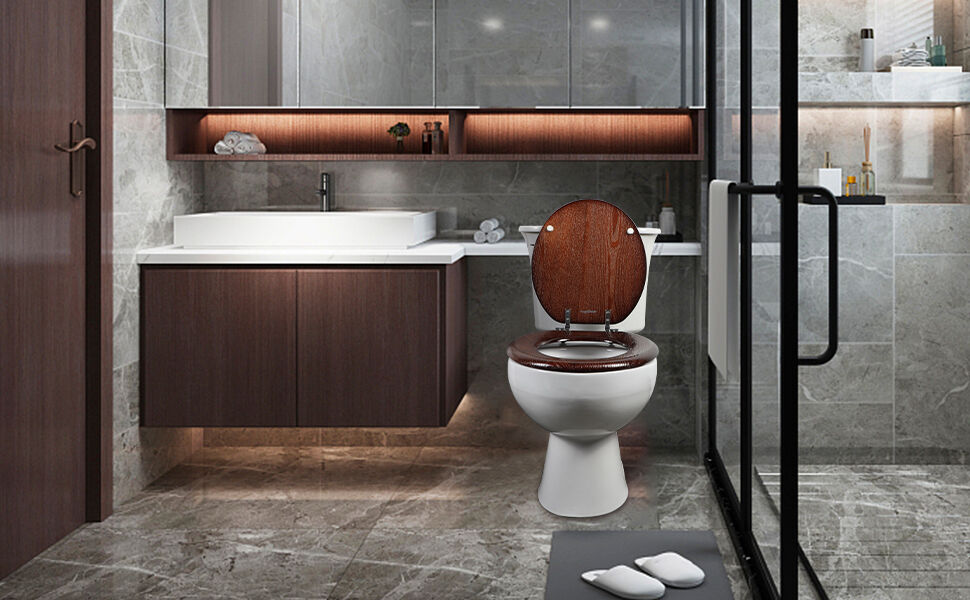
Rezidenčné kúpeľne
MDF toaletné sedačky sa bežne používajú v domácnostiach, pretože poskytujú pohodlný a dekoratívny povrch.
Hotely a byty
MDF aj plastové sedačky sa môžu používať v závislosti od dizajnu a rozpočtu.
Obchodné budovy
Plastové sedačky sa zvyčajne uprednostňujú, pretože sú ľahšie v údržbe a výmene.
Veľkoobchodná distribúcia
Distribútori často ponúkajú sedačky z MDF aj plastové, aby vyhoveli rôznym požiadavkám zákazníkov.
Záver
Sedačky z MDF aj plastové sedačky majú každá svoje výhody a praktické uplatnenie.
Toaletové sedačky z MDF ponúkajú luxusný vzhľad, ťažšiu konštrukciu a pohodlné sedenie.
Plastové toaletné sedadlá zabezpečujú vynikajúcu odolnosť voči vlhkosti, jednoduchú údržbu a nižšiu cenu.
Rozumieť rozdielom medzi MDF a plastové sedadlo na záchod s vám pomôže vybrať najvhodnejšiu možnosť. Majitelia domov, stavební podnikatelia a distribútori môžu tieto informácie využiť pri úprave kúpeľní alebo iných projektov.
Pred rozhodnutím zvážte prostredie, v ktorom bude sedačka inštalovaná, váš rozpočet a potreby pohodlia. To vám pomôže vybrať najvhodnejší materiál pre toaletnú sedačku.
Často kladené otázky o toaletných sedačkách z MDF a plastových
Sú toaletné sedačky z MDF lepšie ako plastové?
Toaletné sedačky z MDF sa často zdajú stabilnejšie a luxusnejšie vďaka ich ťažšej konštrukcii. Plastové sedačky však lepšie odolávajú vlhkosti a sú ľahšie v údržbe.
Trvajú MDF toaletné sedačky dlhšie?
Vysokokvalitné MDF sedačky môžu trvať mnoho rokov, ak sú správne povlakované. V extrémne vlhkých prostrediach môžu plastové sedačky trvať dlhšie.
Sú plastové toaletné sedačky hygienickejšie?
Plastové toaletné sedačky sú nepriepustné a ľahko sa čistia, čo ich robí veľmi hygienickými pre každodenné používanie.
Ktorý materiál toaletnej sedačky je najvhodnejší pre komerčné kúpeľne?
Pre komerčné kúpeľne sa zvyčajne uprednostňujú plastové toaletné sedačky, pretože sú ľahké, odolné a ľahko nahrádzateľné.
Obsah
- MDF vs plastová toaletná sedačka: Ktorá je lepšia?
- MDF vs. plastová sedačka pre záchod: rýchla odpoveď
- Čo je sedačka pre záchod z MDF?
- Čo je plastové toaletné sedadlo?
- MDF vs plastová toaletná sedačka: vysvetlenie štruktúry materiálu
- MDF vs. plastová toaletná sedačka: kľúčové rozdiely
- Porovnanie odolnosti
- Pohodlie a používateľská skúsenosť
- Údržba a čistenie
- Porovnanie cien
- Inštalácia a kompatibilita
- Ako vybrať správny materiál pre toaletnú sedačku
- Najvhodnejšie aplikácie pre každý materiál
- Záver
- Často kladené otázky o toaletných sedačkách z MDF a plastových