Maddə 11
SEO Başlığı: OEM layihələri üçün fərdiləşdirilmiş tualet oturacağı döndərən qurğuları: Alıcılar üçün bələdçi
Meta Təsvir: OEM alıcılarının yumşaq bağlanan, sürətli çıxarılabilən, bərkidilmə sistemləri, keramika uyğunluğu, nümunələr və dəyişikliklərin idarə edilməsi daxil olmaqla fərdiləşdirilmiş tualet oturacağı döndərən qurğularını necə təyin etmələrini öyrənin.
URL Slug: /blog/custom-toilet-seat-hinges-oem-projects
Əsas açar söz: fərdiləşdirilmiş tualet oturacağı şarnırları
İkinci dərəcəli açar sözlər: OEM tualet oturacağı şarnırı, yumşaq bağlanan tualet oturacağı şarnırı, sürətli çıxarışlı tualet oturacağı şarnırı, fərdiləşdirilmiş tualet oturacağı bərkidici dəsti
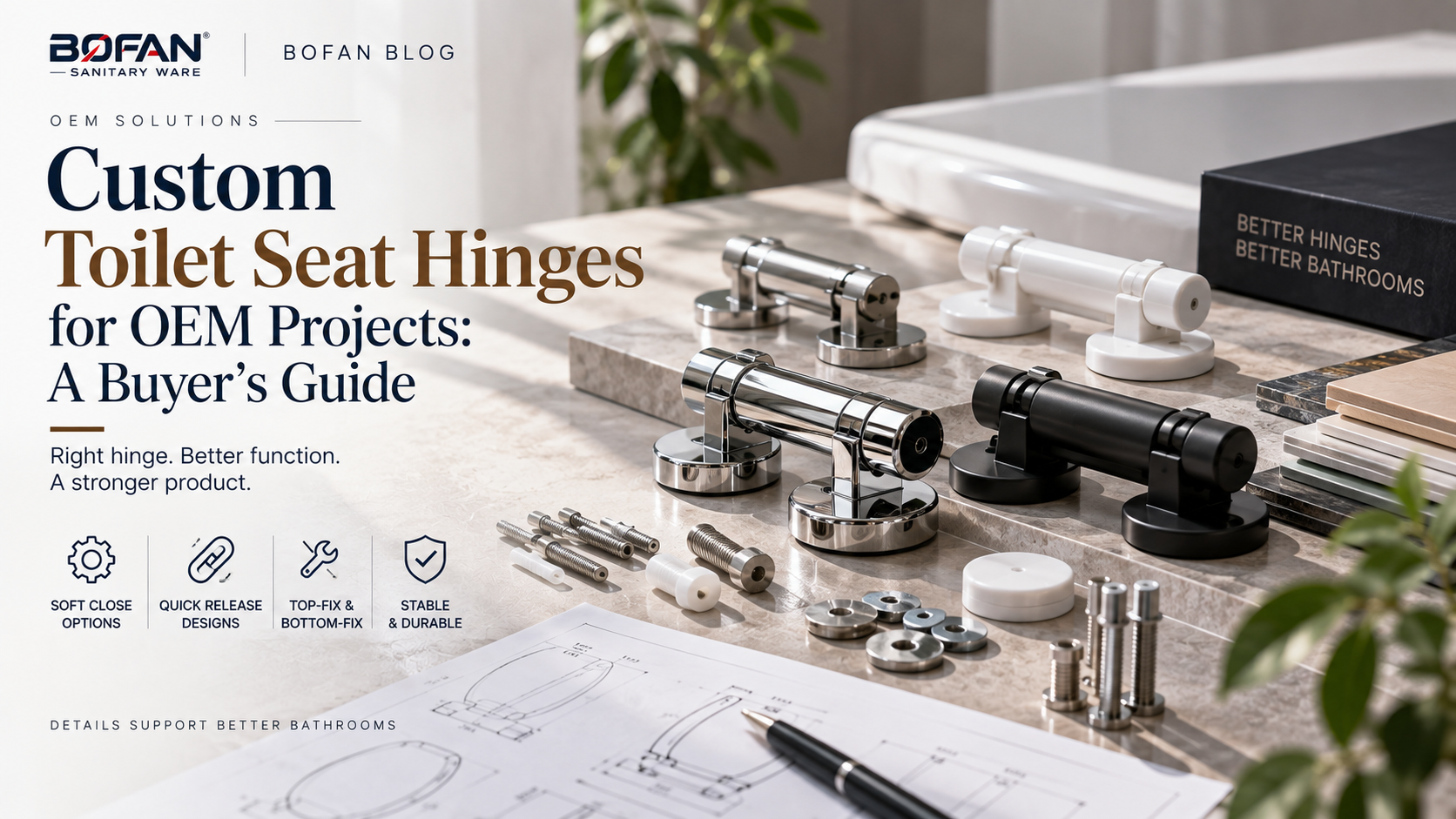
OEM layihələri üçün fərdiləşdirilmiş tualet oturacağı döndərən qurğuları: Alıcılar üçün bələdçi
Tualet oturacağı şarnırı yalnız məhsulun arxa hissəsində görünən metal və ya plastik komponent deyil. Bu, bağlanma performansını, sabitliyi, tənzimlənməni, quraşdırma üsulunu, görünüşü və satışdan sonrakı xidməti təsir edən tam quraşdırılmış sistemdən bir hissədir.
OEM və ya öz markalı proqramlar üçün «fərdiləşdirilmiş tualet oturacağı şarnırları» bir neçə fərqli şey ola bilər. Alıcıya müəyyən yumşaq bağlanma funksiyası, sürətli çıxarış mexanizmi, vanna otağı kolleksiyasına uyğun bitiş, örtükli keramika üçün yuxarıdan bərkidilən dəst və ya müəyyən oturacaq və klozetə uyğun şarnır konfiqurasiyası lazım ola bilər.
İlk addım, təklifləri müqayisə etməzdən əvvəl tələb olunan funksiyanı aydın şəkildə təyin etməkdir.
Tualet oturacağı şarnırı üçün «fərdiləşdirilmiş» nə deməkdir
Fərdiləşdirilmiş şarnır layihəsi həmişə tamamilə yeni şarnır kalıbı və ya unikal mühəndislik dizaynı tələb etmir.
Proqramdan asılı olaraq, fərdiləşdirmə aşağıdakıları əhatə edə bilər:
Mövcud uyğun dairədən bir döndərən seçmək
Standart bağlanma və ya yumşaq bağlanma funksiyasını seçmək
Tez buraxma funksiyasını əlavə etmək
Yuxarı quraşdırma və ya aşağı quraşdırma seçimini etmək
Döndərənin örtük rəngini və ya bitirilməsini dəyişmək
Xüsusi tualet oturacağı materialına və çəkisinə uyğunlaşmaq
Seçilmiş bolt, washers və quraşdırma dəstini istifadə etmək
Xüsusi keramika üçün döndərənin mövqeyini tənzimləmək
Döndərənin görünüşünü brendlənmiş məhsul dairəsi ilə koordinasiya etmək
Mövcud variantlar layihə tələblərini ödəmədikdə yeni bir döndərən quruluşun yaradılması
Məhsul, keramika və bazar tələblərini ödəyən mövcud döndərən platforması tez-tez daha praktik başlanğıc nöqtəsi olur. Tamamilə yeni dizayn yalnız tələb olunan funksiya, görünüş və ya həndəsi formanı təsdiqlənmiş variantlarla əldə etmək mümkün olmadıqda nəzərdə tutulmalıdır.
Tam məhsul sistemi ilə başlayın
Döndərən ayrı komponent kimi seçilməməlidir.
Alıcı aşağıdakı məlumatları təqdim etməlidir:
Tualet oturacağı forması və ölçüləri
Oturacağın materialı: PP, UF, MDF və ya kalıplaşdırılmış ağac
Lazım gəldikdə oturma yeri və qapağın çəkisi
Nəzərdə tutulan keramika modeli və ya uyğunluq diapazonu
Quraşdırma deliklərinin aralığı və diametri
Keramikaya yuxarıdan və ya alt tərəfdən giriş
Tələb olunan açılış bucağı
Sifon və ya divar arasındakı boşluq
Yumuşaq bağlanma tələbi
Tez çıxarılabilənlik tələbi
Hədəf bazar və istifadə mühiti
Gözlənilən sifariş miqdarı
Tələb olunan qablaşdırma və ehtiyat hissələr planı
Yüngül PP oturacaq üçün uyğun olan bir döndərən, daha ağırlıqda olan forma verilmiş ağac məhsulunda eyni hərəkəti, sabitliyi və ya vizual nəticəni təmin edə bilməz.
Tələb olunan döndərən funksiyasını seçin
Funksional miqyas məhsul spesifikasiyasında göstərilməlidir.
Standart bağlanan döndərənlər
Standart bağlanan döndərən oturacaq və ya qapağı yüksəltməyə və aşağı salmağa imkan verir, lakin yavaşıldıcı sistem olmadan. Sadə konstruksiya və rəqabətli qiymət əsas prioritet kimi qəbul edilən proqramlar üçün uyğundur.
Yumağın Bağlanma Pəncələri
Yumuşaq bağlanan tualet oturacağı döndərəni qapağın, oturacaq halqasının və ya hər ikisinin bağlanma hərəkətini idarə olunan mexanizmlə yavaşıdır.
Alıcı aşağıdakıları müəyyənləşdirməlidir:
Qapağın yumuşaq bağlanması
Oturacaq halqasının yumuşaq bağlanması
Hər iki komponentin müstəqil işləməsi
Gözlənilən bağlanma davranışı
Yumuşaq son bağlanma tələbi
Tələb olunan nümunə və davamlılıq qiymətləndirilməsi
Tez ayırma şarnırları
Tez-buraxma şarnirləri tualet oturacağına təmizlik və ya texniki xidmət üçün şarnir bazalarından çıxarılmasına imkan verir.
Alıcı aşağıdakıları təsdiq etməlidir:
Buraxma üsulu
Yenidən quraşdırıldıqdan sonra kilidləmə üsulu
Şarnir bazalarının çıxarılma zamanı sabit qalması
Tələb olunan quraşdırma təlimatları
Ehtiyat hissələrinin tələbləri
Təkrar çıxarılma və yenidən quraşdırılmadan sonra funksiyası
Birləşdirilmiş yumuşaq-bağlanma və tez-buraxma şarnirləri
Bir çox OEM proqramı hər iki funksiyani tələb edir. Bu halda tam oturacaq, qapaq, dönmə oymaları, amortizatorlar və bərkidici dəst birlikdə qiymətləndirilməlidir.
Dönmə oymasını keramika bərkidilmə üsuluna uyğunlaşdırın
Bərkidici sistem görünən dönmə oyması qovluğu qədər əhəmiyyətlidir.
Yuxarıdan bərkidilən sistemlər
Yuxarıdan bərkidilən sistemlər keramikanın yuxarısından quraşdırılır və tualetin alt tərəfi örtülü və ya çatmaq çətin olan hallarda faydalı ola bilər.
Layihə aşağıdakıları təsdiqləməlidir:
Keramika delik diametri
Genişlənmə tıxacı və ya daxil edilən tip
Təsdiqlənmiş sıxma üsulu
Düzəltmə diapazonu
Quraşdırıldıqdan sonra sabitlik
Seçilmiş kubokla komponentlərin uyğunluğu
Aşağı montajlı sistemlər
Aşağıdan bərkidilən avadanlıq keramikadan keçir və aşağıdan somun, washers və ya başqa təsdiqlənmiş komponent düzülüşü ilə sıxılır.
Layihə aşağıdakıları təsdiqləməlidir:
Quraşdırma deliklərinin altına çıxış
Boltun uzunluğu
Yuyaların yerləşdirilməsi
Gövdə və ya bloklama komponenti
Tələb olunan quraşdırma aləti
Son sabitlik və tənzimləmə
Yuxarı və ya aşağı bərkidilmə üsullarından heç biri bütün tualet kranları üçün avtomatik olaraq doğru deyil. Uyğun sistem tam dəqiq keramika interfeysinə və məhsul konfiqurasiyasına əsaslanır.
Hər bir şarnir və bərkidici komponenti müəyyən edin
Yalnız «metal şarnir» və ya «yumşaq bağlanma avadanlığı» ifadələri ilə təsvir edilən məhsul təsvirini təsdiqləməyin.
Nəzarət olunan spesifikasiya aşağıdakıları müəyyən etməlidir:
| Komponent | Nə təsdiqlənməlidir |
|---|---|
| Şarnir gövdəsi | Dəqiq şarnir kodu, materialı və örtük növü |
| Damper | Funksiya, yerləşdirilmə istiqaməti və təsdiqlənmiş kod |
| Döndərən dayaq | Bazal lövhənin dizaynı və tənzimləmə üsulu |
| Sabitleyici bolt | Material, uzunluq, diametr və rezьba |
| Yuyucu | Material, ölçüsü və quraşdırılma mövqeyi |
| Gövdə və ya bloklama hissəsi | Dəqiq növ və birləşmə üsulu |
| Genişlənmə tıxacı | Material və uyğun dəlik diapazonu |
| Qapaq | Rəng, örtük və oturma |
| Buferlər | Sayı, mövqe, material və hündürlük |
| Quraşdırma aləti | Daxil edilmiş alət və ya tələb olunan quraşdırma aləti |
Görünüşcə oxşar şarnirlər və bərkidici dəstləri mübadilə oluna bilməyə bilər. Boltdakı uzunluq, washerdakı ölçünün, amortizator kodunun və ya alt lövhənin kiçik dəyişikliyi quraşdırmanı, yumşaq bağlanma performansını və ehtiyat hissələrin uyğunluğunu təsir edə bilər.
Şarnirin görünüşünü funksiyası ilə birlikdə nəzərdən keçirin
Privat etiketli və ya premium banyo kolleksiyası üçün şarnir məhsulun vizual identifikasiyasının bir hissəsi ola bilər.
Alıcı aşağıdakıları təyin edə bilər:
Xrom görünüşlü bitirilmə
Mat Qara Bitişləmə
Ağ və ya rəngə uyğun örtüklər
Fırçalanmış və ya parlaq görünüş
Gizli və ya açıq şarnir üslubu
Bəzədici örtüyün forması
Görünən loqo və ya loqosuz tələb
Görünüş tam tualet oturacağı əsasında təsdiqlənməlidir, yalnız komponentin şəkli əsasında deyil. Döndərən qapaqlar, oturacağın materialı, keramika rəngi və məhsulun qablaşdırılması birlikdə satış təqdimatı kimi uyğunlaşa bilər.
Əgər korroziyaya davamlılıq, təmizləmə kimyəvi maddələrinə davamlılıq və ya başqa bir mühit performansı tələb olunursa, nümunənin təsdiqindən əvvəl tətbiq olunan tələbi və sınaq gözləntisini göstərin.
Tənzimləmə aralığını və quraşdırılmış sabitliyi yoxlayın
Tənzimlənə bilən döndərənlər oturacağı keramikaya mərkəzləşdirməyə kömək edə bilər, lakin məhsul yalnız tənzimləmə həddində mövqeyə gətirilməsi üçün məcbur edilə biləcəyi üçün təsdiq edilməməlidir.
Nəzərdən keçirmə:
Minimum və maksimum quraşdırma deliği aralığı
İrəli və geri hərəkət
Yan tənzimlənməsi
Oturaq lövhəsinin fırlanması
Son oturacaq mərkəzləşdirilməsi
Keramiklə buferin təması
Gərginləşdikdən sonra yan hərəkət
Qapağın boşluğu
Açıqlama bucağı
Yumuşaq bağlanma əməliyyatından sonra sabitlik
Son təsdiq üçün nəzərdə tutulan keramika və ya dəqiq nəzarət olunan təmsilçi qurğu istifadə edin.
Quraşdırılmış, istehsalatı təmsil edən nümunəni təsdiqləyin
Nümunə mərhələsi həm görünüşü, həm də real istifadəni yoxlamalıdır.
Yoxlayın:
Doğru oturma yeri modeli və materialı
Doğru şarnir və bərkidici dəsti kodları
Məhsulun keramikaya uyğunluğu
Oturma yeri və qapağın hamar hərəkəti
Tələb olunduqda yumşaq bağlanma funksiyası
Tələb olunduqda sürətli çıxarılma qurğusu
Gərginlikdən sonra sabitlik
Düzgün bufer kontağı
Döndərən örtük uyğunluğu
Oturaq, qapaq və keramika arasında heç bir interferensiyaya yol verilmir
Tam avadanlıq çantası
Təlimat səhifəsinin dəqiqliyi
Qablaşdırmanın qorunması
Qeyri-sabit oynaq nümunəsi və ya müvəqqəti olaraq başqa bərkidici dəstindən istifadə edilərək quraşdırılmış oturaq son OEM təsdiqi üçün kifayət deyil.
Funksional və davamlılıq gözləntilərini müəyyənləşdirin
Davamlı oynaq proqramı yalnız «yüksək keyfiyyətli» ifadəsindən artıq tələb edir.
İstehsaldan əvvəl seçilmiş model üçün tətbiq oluna biləcək tələblər üzrə razılığa gəlin. Bunlara aşağıdakılar daxil ola bilər:
İlkin açma və bağlama yoxlaması
Yumuşaq bağlanma performansının qiymətləndirilməsi
Tez-buraxma əməliyyatı
Açma və bağlama əməliyyatlarının təkrar qiymətləndirilməsi
Yan sabitliyi yoxlaması quraşdırılıb
Dövr sonrası yoxlama
Görünüşün vizual yoxlaması
Qablaşdırma ilə işləmə yoxlaması
Tələb olunan yoxlama sənədləri
Sınaq üsulu, nümunə miqdarı, şərait və qəbul meyarları tam olaraq məhsul və oynaq düzülüşünə uyğun olmalıdır. Bir məhsul üçün tərtib edilən hesabat, oxşar görünən oynaq olan bütün oturacaqları təmsil etmək üçün avtomatik olaraq istifadə edilməməlidir.
Yeni alət qurğusu sifarişi verərkən mövcud oynaq variantlarını müqayisə edin
Yeni oynaq layihənin dəyərini, inkişaf müddətini və təsdiq işlərini artırabilir. Fərdiləşdirilmiş dizayn sifarişi verərkən aşağıdakı sualları verin:
Seçilən keramika üçün hansı mövcud oynaq variantları uyğundur?
Seçilən oturacaq materialı ilə hansı oynaq variantları uyumludur?
Yumuşaq bağlanma və tez buraxma eyni platformada mövcuddurmu?
Hansı bitişlər və örtüklər praktikdir?
Seçilən konfiqurasiyaya hansı ən az sifariş miqdarı (MOQ) tətbiq olunur?
Xüsusi bərkidici dəstə ehtiyac varmı?
Fərdiləşdirilmiş menteşe örtüyü dizayn məqsədini əldə etmək üçün kifayət qədərdirmi?
Layihə yeni alətləndirməyə ehtiyac duyurmu?
Nümunə və istehsalın aparılması üçün müddətlər nə qədərdir?
Ehtiyat hissələri necə idarə olunacaq?
Bu müzakirə alıcını dəyişdirilmiş mövcud sistem və ya yeni inkişaf arasında kommersiya baxımından uyğun variantı seçməyə kömək edə bilər.
Təsdiqlənməmiş komponent dəyişikliklərinin qarşısını almaq
Döndürmə qurğuları, amortizatorlar və bərkidici hissələr hər bir OEM sifarişində nəzarət olunan komponentlər olmalıdır.
Təchizatçı yalnızca komponentin ekvivalent görünməsi səbəbilə fərqli komponentlərlə əvəz etməməlidir. Təklif olunan dəyişikliklər aşağıdakılar üçün yoxlanılmalıdır:
Şarnir gövdəsi
Damper
Döndərən dayaq
بولت
Yuyucu
Qoz
Genişlənmə tıxacı
Qapaq
Bufer
Örtük
Tənzimləmə lövhəsi
Bərkidici dəstlərinin qablaşdırılması
Yoxlama funksiya, keramika uyğunluğu, görünüş, qiymət, sınaq nəticələri, təlimatlar, ehtiyat hissələri və cari ehtiyatları əhatə etməlidir.
Yazılı təsdiq yenilənmiş konfiqurasiyadan istifadə edilən ilk istehsal partiyasını müəyyən etməlidir.
Sorğu xidməti üçün ehtiyat döndürmə qurğuları və bərkidici hissələrini planlaşdırın
Distribütorlar, layihələr və uzunmüddətli otaq proqramları üçün ehtiyat komponentlər ilk göndərmədən əvvəl müəyyənləşdirilməlidir.
Aşağıdakıların qeydlərini saxlayın:
Alıcının SKU-su
Fabrik modeli
Döndərən qurğu kodu
Amortizator kodu
Bərkidici dəsti kodu
Uyğun əvəz edilə bilən hissələr
Quraşdırma Təlimatları
Partiya məlumatları
Təsdiq edilmiş dəyişikliklər
Ehtiyat hissələrini yalnız «tualetdə oturma yeri döndərən qurğu» və ya «bərkidici vint» kimi təsvir etməyin. Uyğunsuz əvəzləyici göndərməmək üçün dəqiq komponent kodu tələb olunur.
BOFANın OEM tualetdə oturma yeri döndərən qurğusu layihələrini dəstəkləməsi
BOFAN, təsdiqlənmiş PP, UF və kalıplaşdırılmış ağac tualetdə oturma yeri proqramları üçün döndərən qurğu və bərkidici sistemləri ilə bağlı müzakirələri dəstəkləyə bilər.
Seçilən layihəyə görə dəstək aşağıdakıları əhatə edə bilər:
Mövcud döndərən qurğu variantlarının təhlili
Yumuşaq bağlanma və tezburaxma konfiqurasiyası
Sərəncam və bərkidici üsulların müzakirəsi
Yuxarıdan və aşağıdan bərkidilmə variantları
Döndərən qurğunun örtüyü və bitirilməsinin koordinasiyası
Quraşdırılmış nümunənin hazırlanması
Məhsul və komponent spesifikasiyalarının qeydiyyatı
Paketləmə və təlimatların koordinasiyası
Ehtiyat komponentlərin identifikasiyası
Təkrar sifariş dəyişiklikləri nəzarəti
Son uyğunluq, sınaq tələbləri, ən az sifariş miqdarı (MOQ) və çatdırılma müddəti seçilmiş tualetdə oturma yeri, sərəncam, döndərən qurğu konfiqurasiyası və sifariş miqdarı üçün təsdiqlənməlidir.
CTA: Döngü tələblərini göndərin
OEM tualet oturacağı proqramı üçün xüsusi döngü həlli lazımdırmı? BOFAN-a oturacağınızın modelini, keramika çəkilişini və ya ölçülərini, tələb olunan döngü funksiyasını, bərkidilmə üsulunu, bitirilməsini, gözlənilən miqdarı və satış kanalını göndərin. Komandamız uyğun konfiqurasiya variantlarını qiymətləndirməyə kömək edə bilər.
Tez-tez verilən suallar
Xüsusi tualet oturacağı döngüsü" nə deməkdir?
Bu, OEM layihəsinə uyğun seçilmiş döngü konfiqurasiyası, bitirilməsi, örtüyü, bərkidilmə dəstəsi və ya funksiyası ola bilər. Bu, həmişə tamamilə yeni bir döngü dizaynı tələb etmir.
Bir döngü bütün tualet oturacaqlarına uyğun gələ bilərmi?
Yox. Döngünün uyğunluğu oturacağın materialına, çəkisinə, ölçülərinə, keramika üzərindəki bərkidilmə deliklərinə, bərkidilməyə giriş imkanlarına, tənzimləmə diapazonuna və tələb olunan funksiyalara əsaslanır.
Yumuşaq bağlama və sürətli çıxarma funksiyaları birlikdə sınaqdan keçirilməlidirmi?
Bəli. Hər iki funksiya eyni məhsulda təqdim olunursa, onlar tam quraşdırılmış sistem kimi yoxlanılmalıdır.
Tualet oturacağı döngüsü spesifikasiyasında nələr olmalıdır?
Döngü kodu, amortisör kodu, alt plaka, sabitlemə dəsti, bolt, washır, qısa və ya tıxac, örtük, yastıqlama konfiqurasiyası, bitiş və quraşdırma üsulu daxil edilməlidir.
Yeni döngü alətləri nə zaman lazımdır?
Mövcud döngü platformaları tələb olunan formalı, uyğunluqlu, funksional və ya görünüşlü hasil etdikdə yeni alətlər lazım ola bilər. Təchizatçı layihə başlamazdan əvvəl inkişaf miqyasını, vaxtını və ən az sifariş miqdarını təsdiqləməlidir.
Mündəricat
- OEM layihələri üçün fərdiləşdirilmiş tualet oturacağı döndərən qurğuları: Alıcılar üçün bələdçi
- Tualet oturacağı şarnırı üçün «fərdiləşdirilmiş» nə deməkdir
- Tam məhsul sistemi ilə başlayın
- Tələb olunan döndərən funksiyasını seçin
- Dönmə oymasını keramika bərkidilmə üsuluna uyğunlaşdırın
- Hər bir şarnir və bərkidici komponenti müəyyən edin
- Şarnirin görünüşünü funksiyası ilə birlikdə nəzərdən keçirin
- Tənzimləmə aralığını və quraşdırılmış sabitliyi yoxlayın
- Quraşdırılmış, istehsalatı təmsil edən nümunəni təsdiqləyin
- Funksional və davamlılıq gözləntilərini müəyyənləşdirin
- Yeni alət qurğusu sifarişi verərkən mövcud oynaq variantlarını müqayisə edin
- Təsdiqlənməmiş komponent dəyişikliklərinin qarşısını almaq
- Sorğu xidməti üçün ehtiyat döndürmə qurğuları və bərkidici hissələrini planlaşdırın
- BOFANın OEM tualetdə oturma yeri döndərən qurğusu layihələrini dəstəkləməsi
- Tez-tez verilən suallar